



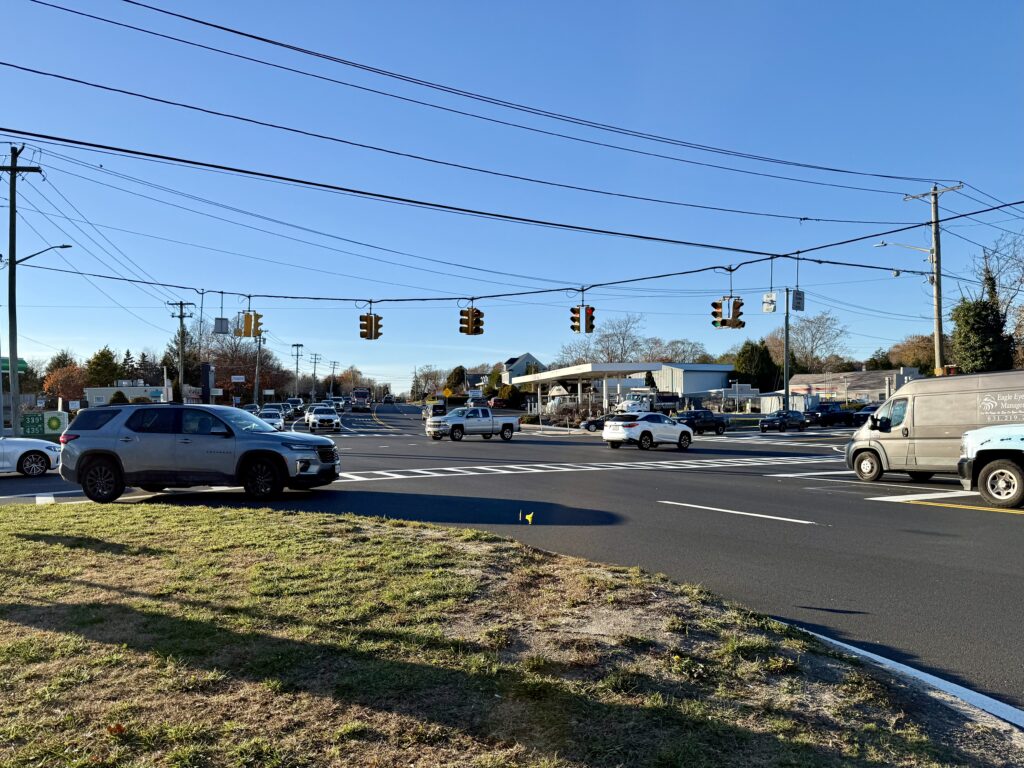
Traffic, Housing, and the Real People Behind the East End Economy. To understand the Hamptons workforce housing crisis, start with traffic. Anyone who has ever sat on County Road 39 knows the routine. Coffee in hand, patience running low, inching forward while questioning life choices. I once called it a “rolling therapy session,” and honestly, that still feels accurate.
But here is the thing. That traffic is not just an inconvenience. It is a moving reflection of the Hamptons workforce housing reality. Those cars are filled with the people who make this place work.

The People Behind the Hamptons Lifestyle
The Hamptons workforce housing conversation is not about buildings. It is about people! Its the teachers shaping the next generation. It’s the nurses working long shifts. It’s the restaurant staff who make sure your dinner arrives just right. It’s the landscapers who maintain the beauty that defines the East End.
The Hamptons may be known for luxury, but it runs on everyday people, and without real solutions for the Hamptons workforce housing, those people are being pushed further away from the communities they serve.
Summer in the Hamptons Runs on Workers
Every summer, the demand for Hamptons workforce housing becomes impossible to ignore. Restaurants double their staff. Hotels bring in additional housekeeping teams. Catering companies prepare for a season of weddings that feel like small cities gathering for a night. Landscaping crews expand overnight.
Many businesses rely on seasonal programs like the H-2B visa and the J-1 visa to fill positions when local labor is not available. Without this workforce, the Hamptons summer experience simply would not exist. But even with these programs, the Hamptons workforce housing shortage remains front and center.
The Housing Reality No One Can Ignore
Here is the uncomfortable truth about Hamptons workforce housing: the people who work here often cannot afford to live here. Rents are sky high. Home prices are out of reach. A single bedroom can cost more than a full paycheck for many workers. This forces people to commute from farther west in Suffolk County or share housing in ways that are far from ideal.
Some employers step in and rent houses for staff. Others try to provide stipends. But the reality is simple. Hamptons workforce housing is no longer just a housing issue. It is a workforce issue.
Who Will Do the Laundry
In a previous Hamptons Mouthpiece article, I asked a question that stuck with people. Who will do the laundry? That question cuts to the core of the Hamptons workforce housing crisis. Communities cannot function without the people who keep them running.
We can build luxury homes. We can welcome visitors. But without workers, none of it works. The Hamptons workforce housing conversation is about preserving the balance between a destination and a community.
The Hidden Housing System Behind the Scenes
Behind the scenes, the Hamptons workforce housing solution often looks very different from what people imagine. Employers quietly rent houses and place multiple workers inside. Hotels create staff housing arrangements.
Workers share rooms, coordinate their schedules, and rely on their employer’s transportation to get to work. It is a system that keeps businesses open, but it is not a long-term solution to the Hamptons workforce housing challenge.
The Complicated Side of Seasonal Work
The Hamptons workforce housing conversation also intersects with immigration and labor systems. Temporary workers often come through legal programs tied to specific employers. That structure can create stability for businesses, but it can also make workers feel dependent on their employer for both income and housing.
At the same time, agencies like U.S. Immigration and Customs Enforcement investigate worksite violations and enforce immigration laws. The result is a system that can feel complicated for both employers and workers navigating the realities of Hamptons workforce housing.
Will This Summer Look Different
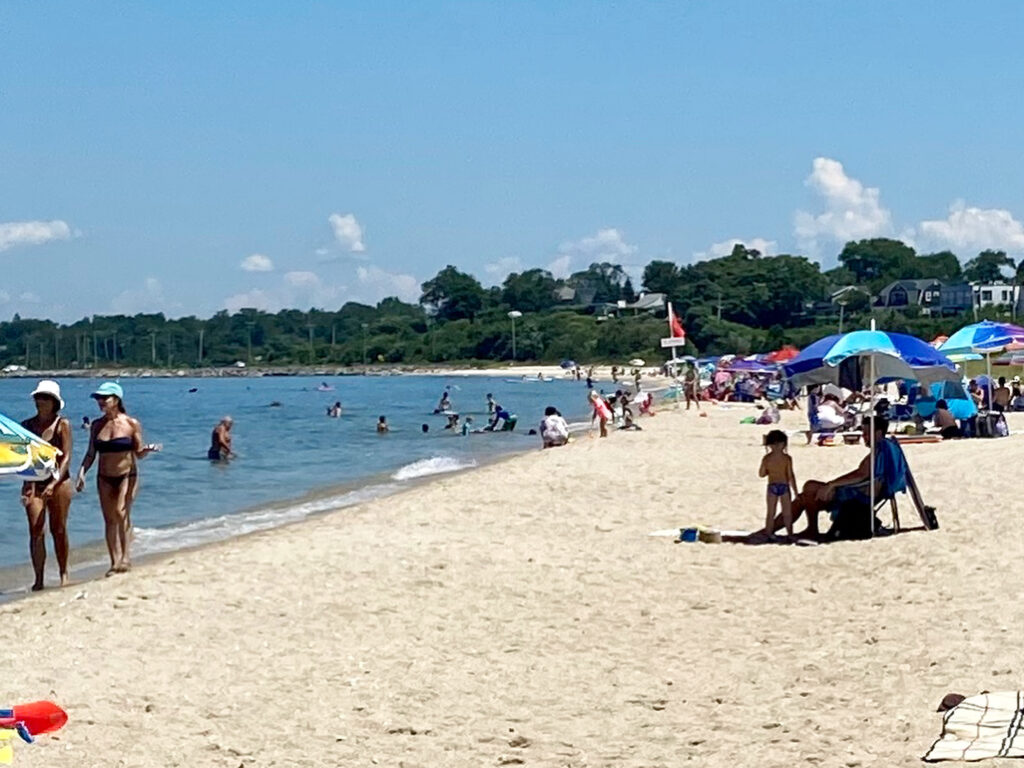
This is where the Hamptons workforce housing conversation becomes very real for 2026. Across seasonal communities like the Hamptons, Martha’s Vineyard, and Nantucket, business owners are asking the same question. Will this summer feel different?
Between rising housing costs, ongoing traffic challenges, and increased awareness of immigration enforcement, there is growing uncertainty about the seasonal workforce. When the workforce is uncertain, the Hamptons workforce housing issue becomes even more urgent.
The Economics No One Talks About
Here is the Real Talk side of Hamptons workforce housing. If employers have to pay for housing, that cost does not disappear. It shifts, and some businesses may absorb it. Others may raise prices. Some may adjust wages or limit hiring. Others may increase pay to attract workers willing to commute. There is no one answer, but one thing is clear, Hamptons workforce housing is now part of the business model.
Traffic Is the Symptom, Not the Problem
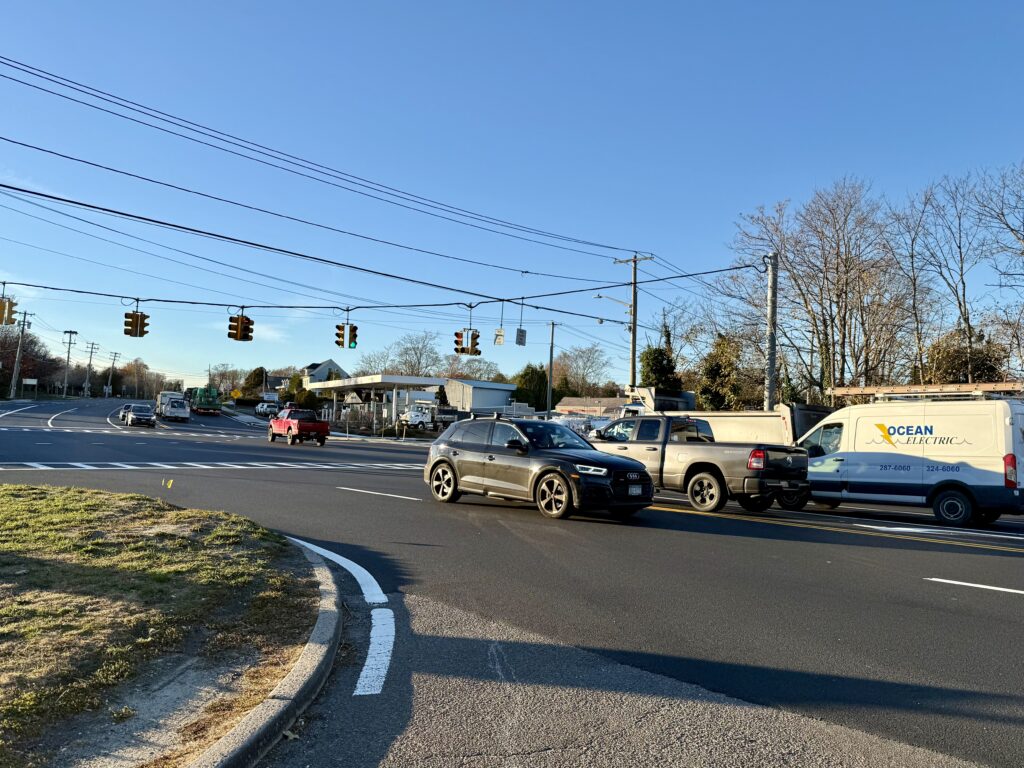
That daily drive on County Road 39 is more than just congestion. It is a visible sign of the Hamptons workforce housing crisis. Those cars represent long commutes, early mornings, and workers doing what they need to do just to stay employed on the East End. When people cannot live where they work, traffic becomes the connector between the workforce and the economy. And when that connection breaks, the impact is felt everywhere.
What Happens If Nothing Changes
If the Hamptons workforce housing crisis continues unchecked, the consequences will not be subtle. Restaurants will reduce hours. Hotels will limit bookings. Schools will struggle to hire teachers. Healthcare systems will feel the strain. This is not hypothetical. It is already happening in small ways.
The Hamptons workforce housing conversation is about preventing those small cracks from becoming larger problems.
A Reason for Optimism
Despite the challenges, there is still hope in the Hamptons workforce housing conversation. Local initiatives, including efforts connected to the Southampton Town Housing Authority, are beginning to address the need for workforce housing. Conversations are happening. Ideas are being explored. The Hamptons have always been a place of reinvention.
There is no reason it cannot lead the way in solving the Hamptons workforce housing challenge as well.
The Question We Cannot Ignore
So the next time you are sitting in traffic, take a moment and look around. Every car is part of the Hamptons workforce housing story. Someone is heading to work. Someone is making your dinner. Someone is teaching your children. Someone is caring for your family.
The Hamptons is more than a destination. It is a community. And communities only work when the people who power them have a place to live.
Real Talk. Real People.



Comments are closed.