Hamptons Wellness: 3 Foods That Keep You Feeling Good Inside and Out
Let’s talk about food that actually does your body good. Not the trendy stuff on Instagram, but the real deal that fuels your energy, your mood, and your long-term wellness. These three healthy foods aren’t complicated. They’re simple staples that pack a serious punch for your immune system, heart, skin, and gut.
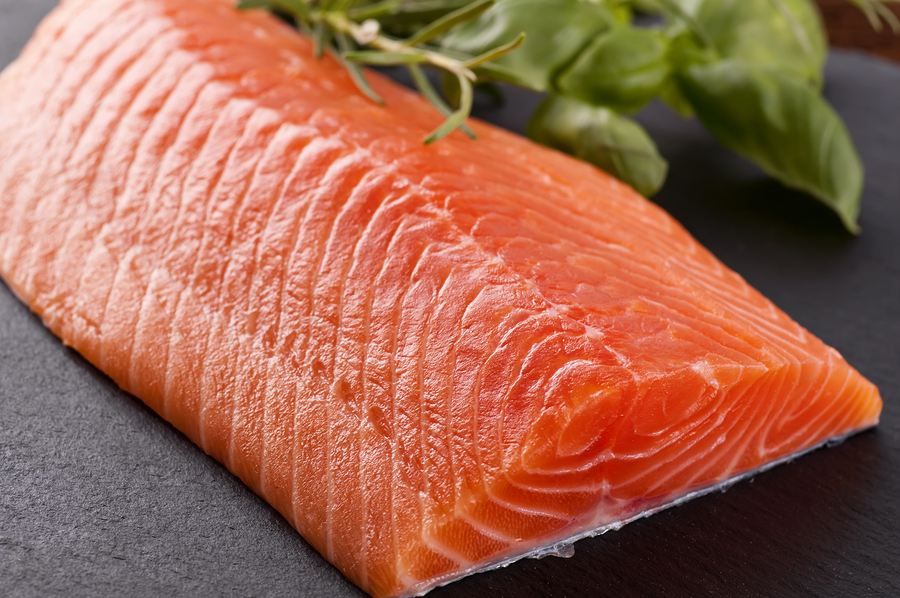
1. Salmon: The Heart Helper and Mood Booster
If there’s one food you should put on your plate twice a week, it’s salmon. It’s nature’s multivitamin in fish form, loaded with iron, zinc, niacin, vitamin B6, and B12. But the real magic is in its omega-3 fatty acids, those good fats that protect your heart and brain, ease inflammation, and even help with mood.
It’s also rich in selenium, a powerful antioxidant that keeps your thyroid healthy and supports your immune system. Think of selenium as your body’s “anti-rust” mineral. It helps prevent damage from free radicals and keeps things running smoothly.
That grilled salmon with lemon and dill? More than delicious. It’s self-care on a plate.
Let’s get real. Gut health is everything. When your gut’s happy, you’re happy. That’s where yogurt comes in. It’s packed with protein, calcium, potassium, and magnesium, plus the all-important probiotics — the friendly bacteria that keep your digestive system balanced.
Go for Greek, organic, or plain yogurt whenever possible. Skip the sugary, flavored versions that turn breakfast into dessert.
A daily serving of yogurt can help boost your immune system, improve digestion, and may even support mental health. The gut-brain connection is real, and taking care of your digestive system helps your entire body work better.
There’s a reason oranges have been a go-to for generations. They’re not just about vitamin C, though that’s a big one. Oranges are packed with antioxidants, fiber, potassium, and flavonoids that help your body fight inflammation, lower cholesterol, and keep your heart strong.
They’ve also been linked to lowering the risk of certain cancers, including breast, lung, and colon cancer, while helping your skin glow and your blood pressure stay steady.
The flavonoid hesperidin found in oranges helps regulate blood pressure, while beta-carotene supports eye health and slows signs of aging.
That morning orange is doing more than waking you up. It’s protecting you from the inside out.
You don’t need to reinvent your diet or chase the latest wellness craze. Start with simple, real foods like salmon, yogurt, and oranges that quietly do their job to keep you healthy, glowing, and energized.
Wellness isn’t about being perfect. It’s about being consistent. Eat good. Feel good. Live well — Hamptons style.
October is Breast Cancer Awareness Month — a time when pink ribbons fill the streets, and we’re reminded to pause, reflect, and take care of ourselves. But this month isn’t just symbolic it’s a wake-up call.
Because breast cancer doesn’t just happen to “someone else.” It affects women, men, and young women. It affects families. It changes lives.
🩷 Real Talk: Awareness Is Power
Thirty-two years ago, my mother was diagnosed with breast cancer. I remember that time vividly — the fear, the uncertainty, and the courage she showed every day. She underwent a lumpectomy and radiation treatment, back when people didn’t talk about breast cancer openly.
She survived and lived cancer-free for many years. Her strength was extraordinary.
But what many didn’t know then is that older radiation treatments sometimes caused heart complications years later. My mom developed heart issues and passed away in 2017 from congestive heart failure.
Her journey reminds me that breast cancer awareness isn’t just about surviving — it’s about long-term care, early detection, and paying attention to every part of your health.
📊 The Facts You Should Know
According to Breastcancer.org, approximately 1 in 8 women (13%) in the U.S. will develop invasive breast cancer at some point in their lives.
Look in the mirror for dimpling, redness, or swelling.
Raise your arms and check for changes in shape or size.
Feel while standing or lying down — use small circular motions.
If something feels off — call your doctor.
Prevention Matters
Your lifestyle choices can lower your risk:
Eat real food — more plants, less processed.
Limit alcohol and avoid smoking.
Exercise daily — even a walk counts.
Get enough rest and manage stress.
Stay consistent with screenings.
💕 Local Hamptons Resources
We’re fortunate to have incredible organizations right here in our community:
Ellen Hermanson Breast Center – Screenings, diagnostics & survivor support (ellenhermanson.org)
Coalition for Women’s Cancers (CWC) – Education, outreach & peer support (cwcshh.org)
Fighting Chance (Sag Harbor) – Free counseling for cancer patients & caregivers (fightingchance.org)
These organizations are helping our East End neighbors every day — bringing compassion, resources, and hope.
🩷 Real Talk, Real People Breast cancer awareness isn’t just a month — it’s a mindset. It’s about knowing your body, checking yourself, and living fully.
So take a moment today: feel, look, schedule that mammogram, remind a friend, and remember that awareness saves lives — maybe even your own.
Taming My Drama Queen Thyroid: My Thyroid Tried to Ruin My Life — But I Fought Back (And Won… For Now) Let me keep it real with you: my thyroid and I have had a very complicated relationship. If there were a reality show called “The Real Hormones of the Hamptons,” I’d be the breakout star.
For years, I told my primary care doctor, “I don’t feel well.” His answer? “Your thyroid tests are off.” And that was it. Meanwhile, I was dragging myself through menopause, hot flashes, weight gain, sleepless nights, mood swings, and feeling like a sweaty, exhausted extra in my own life.
But here’s the kicker: it wasn’t just menopause. My eyes became my trigger. Driving was difficult, my vision was blurred, and let’s be honest — it felt like my eyeballs were auditioning for their own horror movie. That’s when I finally saw a specialist. Boom: Graves’ disease.
Why Graves’ Disease Is So Hard to Pin Down
Graves’ is the ultimate shapeshifter. The symptoms are like that friend who borrows everyone else’s clothes — a little anxiety here, a little menopause there, maybe some heart palpitations just to keep things spicy. Graves’ copies everyone’s homework unless your doctor runs the right tests, it hides in plain sight.
See the problem? Graves’ is like that kid who copies everyone’s homework. Unless you get the right tests, it hides in plain sight.
The Tests (Or, How to Catch a Sneaky Thyroid)
When you finally land in front of a doctor who listens, here’s what helps sort it out:
TSH, Free T4, Free T3: The hormone trio. Low TSH + high T4/T3 = red flag.
Antibodies (TSI/TRAb): The smoking gun.
Radioactive Iodine Uptake Scan: Shows if your thyroid is lit up like Times Square.
Ultrasound: For those who can’t do the radioactive stuff (hello, moms-to-be).
Eye exam: Because sometimes your eyes tell the story before your bloodwork does.
Is It Hereditary?
Short answer: yes-ish. Graves’ can run in families, but it’s not guaranteed. I like to say: genes load the gun, environment pulls the trigger.
Stress, smoking, hormones, even iodine in your diet — all can flip the switch. So if Auntie has a thyroid issue and you’re feeling “off,” it’s worth checking early.
My Journey, My Remission
I’ve had ups and downs. I went into remission, then during Covid my symptoms came roaring back and I had to return to meds. But here’s the twist: I started listening to my body. That’s also when I noticed the weight changes — the kind no one warns you about. When my thyroid was overactive, I dropped weight without trying. But once my meds kicked in and my levels normalized, my metabolism slowed down and the pounds crept back on. It was frustrating, but it forced me to look at my health differently — not from a place of control, but from understanding.
I reduced (not eliminated) gluten, iodine-heavy foods, and alcohol.
I made stress management non-negotiable.
I committed to a full night’s sleep.
Now, I’ve been in remission for a year and a half. I take it day by day. Graves’ is part of my story, but it’s not the headline. My headline is resilience — learning that healing isn’t about being perfect, it’s about showing up for yourself every single day.
Can You Gain Weight With Graves’ Disease?
Oh, absolutely — and I’m living proof. When people think of Graves’ disease, they usually picture dramatic weight loss. But after treatment, the story can flip. I actually gained weight, and losing it has been incredibly difficult and frustrating. Between menopause, lack of sleep, emotional eating, and my thyroid doing the cha-cha with my hormones, it felt like my body was working against me.
My doctor kept telling me my weight gain wasn’t connected to Graves’, but deep down, I knew something wasn’t adding up. Then I started noticing patterns — like how certain foods made me feel. I discovered that green leafy vegetables (yes, the ones we’re all told to eat!) triggered bloating that lasted for days. Turns out, when your thyroid’s recovering, your whole digestive system can become extra sensitive.
Here’s what’s really going on:
Treatment flips your metabolism. Once medication or radioactive iodine slows your thyroid, metabolism can dip below normal.
Your body’s recovering. During hyperthyroidism, you burn through calories; after treatment, appetite stays high while metabolism slows.
Hormone fluctuations. When thyroid levels swing from high to low, metabolism follows.
Menopause overlap. Lower estrogen and stress make weight management an uphill climb.
So what helps? Tracking labs, eating balanced (not restricted), limiting iodine, sleeping well, managing stress, and gentle movement — walking, yoga, light strength training. I stopped focusing on the number on the scale and started focusing on how I feel.
Because here’s the truth: the goal isn’t to be skinny — it’s to feel steady, strong, and at peace with your body.
📊Graves’ Disease vs. Other Conditions
Symptom
Graves’ Disease
Anxiety/Stress
Menopause
Heart Disease
Weight changes
Unexplained weight loss despite normal or increased eating
Normal weight or loss due to poor appetite
Weight gain or fluctuating
Can be stable or weight gain from limited activity
Heart rate
Fast heartbeat, palpitations
Fast heartbeat, usually tied to stress
Hot flashes can cause fast heart rate
Arrhythmias, chest pain, irregular beats
Energy level
Restless, hyperactive but also fatigued
Restless, wired, fatigue from poor sleep
Fatigue, sleep disturbance
Fatigue, exercise intolerance
Heat tolerance
Heat intolerance, sweating
Can sweat under stress
Hot flashes/night sweats
No consistent heat sensitivity
Mood/Behavior
Irritability, nervousness, insomnia
Worry, nervousness, insomnia
Mood swings, irritability
Depression or anxiety (secondary to illness)
Thyroid gland
Goiter (swelling at neck), sometimes tender
Normal
Normal
Normal
Eyes
Bulging eyes, gritty/dry feeling, double vision (specific to Graves’)
Normal
Normal
Normal
Skin
Rarely, thickened skin on shins (pretibial myxedema)
Normal
Normal
Possible changes due to circulation issues
Detailed Chart: How Each Test Helps Diagnose Graves
Test
What It Measures
Typical Result in Graves’
Why It Matters
TSH
Hormone from pituitary telling thyroid to make hormones
You know what’s worse than a cold in January? A cold in August. Yep — I kicked off the first week of the month not with beach days and rosé, but with tissues, soup, and a cough that could have starred in its own bronchitis commercial.
Everyone said, “Go to the doctor!” But I decided to let my body do its thing. My wellness philosophy is simple: if it’s not getting worse and I can still shuffle to the kitchen for snacks (or in this case, coconut water), I’m giving my immune system a chance to shine.
The symptoms? Oh, she came in hot — stuffy nose, body aches, zero appetite, chest pain that made me feel like I’d been in a prize fight, pounding headache, and the plot twist… loose stool. (We’ll get back to that in a minute.)
Of course, I took a COVID test — negative. But honestly, do those even still work? Asking for a friend.
My “Treatment Plan”
Rested like it was my full-time job
Sipped chicken soup like it was fine dining
Downed more water than a marathon runner
Chased it with coconut water for electrolytes
Slept… a lot
The cough was the real villain here — deep, chest-rattling, and relentless. Mucus set up shop in my lungs like it paid rent, and I was convinced I’d never breathe freely again. But then… Day 9 — gone. Poof. No more chest pain, no more uncontrollable coughing, and I was officially back in the land of the living. I still have the occasional cough that might hang around for another week, but I’m definitely feeling better. Now I’m wondering if oregano pills could help keep my immune system strong. I’ve heard they’re packed with antioxidants and offer immune support, but like most supplements, they can have side effects. So here’s my question: should I start taking oregano pills—and if so, how often?
Oh, and That Robitussin Revelation
Here’s where things got weird. Robitussin, my old cough-fighting buddy, suddenly turned on me. Took some… and boom — diarrhea. Brand new side effect. Never happened before. My body was like, “We’re not doing that anymore.”
So, here’s the moral: listen to your body. Let it fight, support it, and don’t ignore the signs when something’s off — even if that sign is a suspicious relationship with cough syrup.
Because summer colds happen, but so does recovery. And when it’s over, that first deep, clear breath feels better than any August beach day.
A woman scratches her legs with redness, irritation and pimples from insect bites. Close-up. The concept of protection against mosquitoes, ticks and fleas.
Is Lyme Disease only a summer thing? The answer is No, Lyme disease is not just a summer issue, though the risk is highest in late spring and summer. The black-legged tick (deer tick), which spreads Lyme disease, can be active whenever temperatures are above freezing. In warmer climates, ticks can be a risk year-round. Even in colder areas, mild winter days can bring out ticks, so it’s important to take precautions whenever you’re in tick-prone areas. Read up on an article I wrote back in 2012 when my daughter starting experience symptoms in December and was not diagnosed until March. Lyme Disease, an Accidental Diagnosis
Lyme Disease: Causes, Symptoms, Prevention, and Treatment
3d rendered close up of a tick on the skin
What Is Lyme Disease?
Lyme disease is a bacterial infection caused by Borrelia burgdorferi and, in rare cases, Borrelia mayonii. It is transmitted to humans through the bite of infected black-legged ticks (also called deer ticks). If left untreated, Lyme disease can lead to severe complications affecting the joints, heart, and nervous system.
How Is Lyme Disease Transmitted?
Lyme disease spreads through the bite of an infected tick. Ticks become infected when they feed on infected animals, such as mice or deer. Humans typically get bitten in wooded, grassy, or brushy areas where ticks thrive.
Ticks are most active from late spring through early fall, but in some regions, they can remain active year-round, especially in mild winters.
Symptoms of Lyme Disease
Lyme disease progresses in stages, and symptoms vary depending on how long the infection has been in the body.
Early Stage Symptoms (3–30 Days After a Tick Bite) • Bullseye rash (erythema migrans) – a red, expanding rash that may resemble a target • Fever and chills • Fatigue • Headache • Muscle and joint aches • Swollen lymph nodes
Later Stage Symptoms (Weeks to Months After a Tick Bite) • Severe joint pain and swelling (Lyme arthritis) • Neurological issues, such as facial paralysis (Bell’s palsy), numbness, or tingling • Heart palpitations (Lyme carditis) • Dizziness or shortness of breath • Inflammation of the brain or spinal cord (in rare cases)
Diagnosis and Treatment
Doctors diagnose Lyme disease based on symptoms, exposure risk, and sometimes blood tests. Early-stage Lyme disease is typically treated with a short course of antibiotics, such as doxycycline, amoxicillin, or cefuroxime. Most patients recover fully if treated early.
If Lyme disease is left untreated, it can lead to chronic symptoms that require extended antibiotic treatment.
Prevention Tips
Since Lyme disease is caused by tick bites, prevention focuses on reducing tick exposure: • Avoid tick-prone areas: Stick to trails and avoid tall grass or brush. • Wear protective clothing: Long sleeves, long pants, and light-colored clothing can help spot ticks. • Use insect repellent: Products containing DEET or permethrin can deter ticks. • Perform tick checks: After spending time outdoors, check your body, clothes, and pets for ticks. • Shower and wash clothes: Taking a shower and putting clothes in the dryer on high heat can help remove or kill ticks.
What to Do If You Find a Tick
If you find a tick attached to your skin: 1. Use fine-tipped tweezers to grasp the tick as close to the skin as possible. 2. Pull upward with steady, even pressure—avoid twisting or jerking. 3. Clean the bite area with alcohol or soap and water. 4. Dispose of the tick properly by flushing it or sealing it in a bag. 5. Monitor for symptoms of Lyme disease and contact a doctor if needed.
Conclusion
Lyme disease is a serious but preventable illness. By taking precautions in tick-prone areas and recognizing early symptoms, individuals can reduce their risk of infection and complications. If you suspect a tick bite and develop symptoms, seek medical attention promptly.