Category

In the Know

Category

Sag Harbor and Bridgehampton have always been reading towns. We are a community that loves stories, ideas, and conversations that stretch longer than expected. From library corners to beach chairs, reading has always been part of our culture. That is why the Reading Revival it’s a movement feels like a natural fit here.

Somewhere along the way, reading got labeled as homework instead of joy. Kids stopped reading for fun. Adults stopped reading because life got busy. Seniors kept reading because they know better, but even they will tell you it takes intention to stay engaged. That is exactly where Reading Revival comes in. It is not a one-off campaign. It is a movement to bring reading back into everyday life.

Bridgehampton Child Care & Recreation Center is leading Reading Revival on the East End, and their goal is refreshingly simple: make reading feel good again. Reading builds confidence. Reading creates access. Reading opens doors. When someone struggles with reading, it affects far more than school. When someone feels confident as a reader, it changes how they move through the world.

Reading Revival it’s a movement is designed for everyone. Kids, teens, adults, and seniors. The reluctant reader. The audiobook fan. The manga obsessed teen. The parent who stopped reading years ago. The grandparent who still reads the paper every morning because it keeps the mind sharp. This movement does not judge how you read. It just asks that you read.

The Center is encouraging our community to make reading part of daily life again. Not just in classrooms, but at home, at the library, in coffee shops, at the beach, and in waiting rooms. Reading in the wild. Reading before bed. Reading together. Reading Revival it’s a movement is about reconnecting reading to real life.

Here is the real talk. Literacy is not just academic. It affects confidence, independence, and opportunity. Reading is foundational. Communities that invest in literacy build stronger futures for children and help adults and seniors stay engaged and empowered. Reading Revival recognizes that reading is not optional for a healthy community. It is essential.

Reading Revival invites everyone to participate. Share what you are reading. Pass along a book. Read with a child. Visit your local library. Take ten minutes a day to read again, not because you have to, but because it matters, because it connects us, because reading is culture.

Hamptons Mouthpiece is proud to support Bridgehampton Child Care & Recreation Center as Reading Revival unfolds throughout 2026. Expect creativity, community stories, and reminders that books still have power. If you have been waiting for a reason to start reading again, this is it.

Join us – The Reading Revival: It’s a Movement.

Real Talk. Real People. Southold knows farming. But the growing Southold chicken farm controversy has forced residents to confront where farming belongs in a changing community. Agriculture is woven into this town’s history, economy, and identity. What Southold is not used to is waking up to find that a 6,000 chicken commercial egg operation is being proposed in the middle of a historic, residential neighborhood that includes affordable housing built by the community itself.

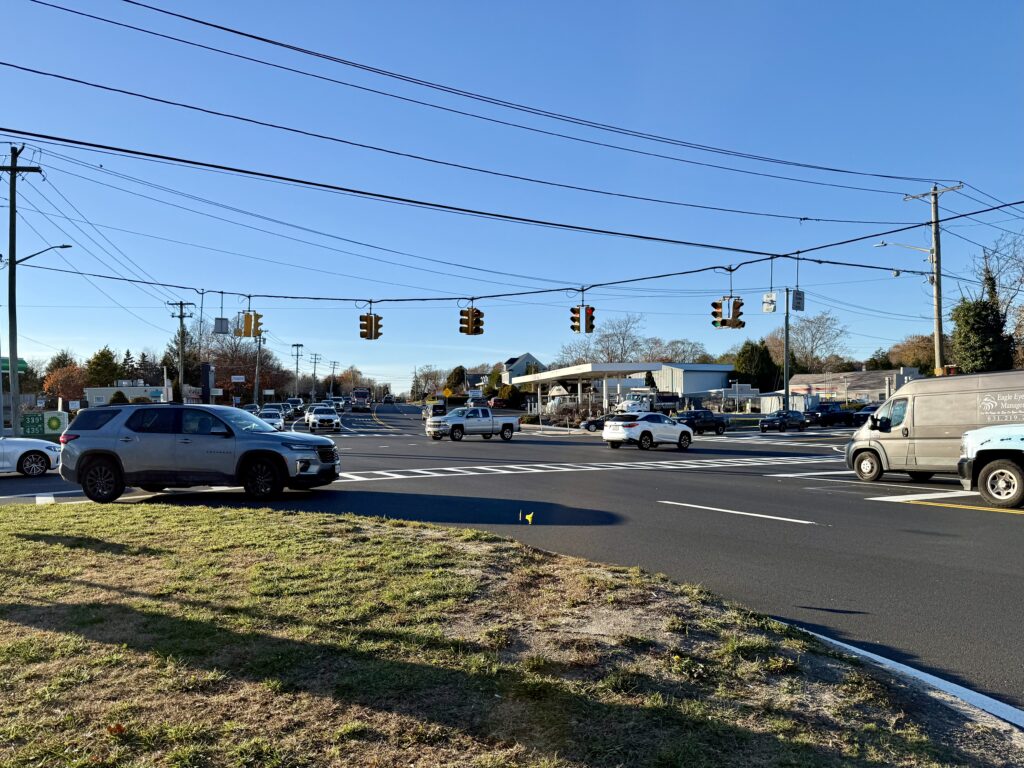
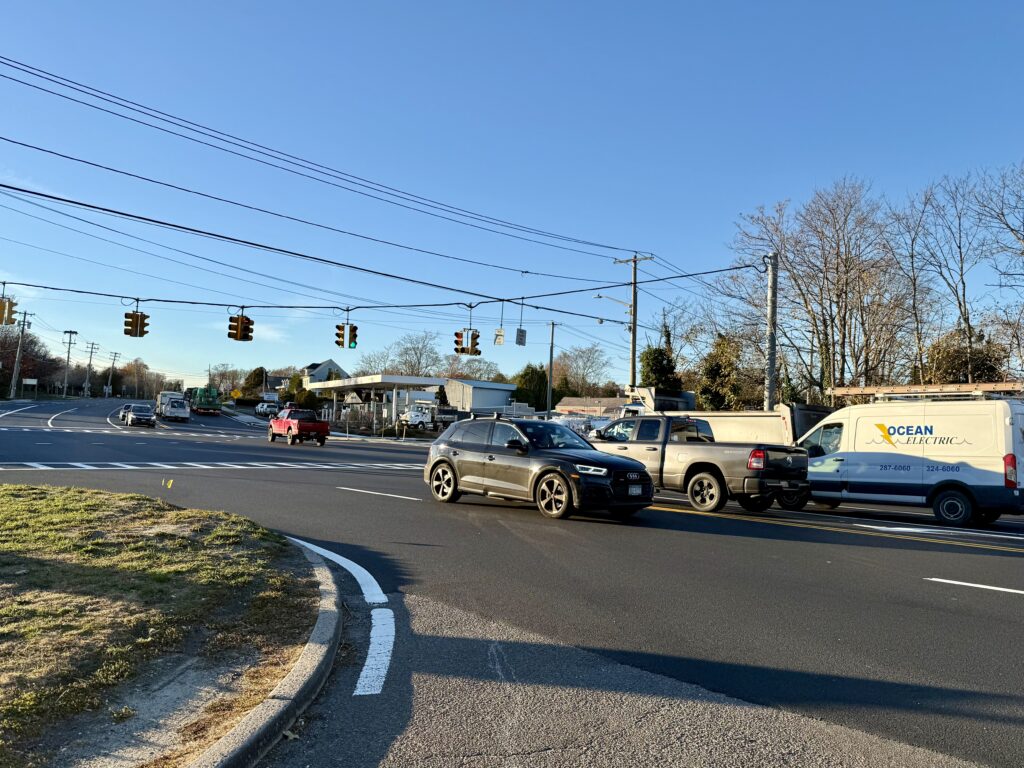
That is exactly what is unfolding on Ackerly Pond Lane, at the center of the Southold chicken farm controversy, where a quiet 15.9-acre property has suddenly become ground zero for a debate that goes far beyond chickens, eggs, or farming in general.

The proposal at the heart of the Southold chicken farm controversy comes from Grant Callahan, an NYU real estate student graduating this spring, who has applied to the Southold Town Planning Board to open Rejuvenate Farms, a pasture-raised egg operation housing up to 6,000 hens.

On paper, the pitch is sustainable agriculture. On the ground, neighbors are asking whether this proposal fits the place it is being asked to occupy.

When the Planning Board opened the public hearing on the Southold chicken farm controversy, the room filled quickly, not with people opposed to farming, but with residents raising serious questions about location, scale, and long-term impact.

Concerns raised by the community included:

  • Odors from manure generated by thousands of birds
  • Increased flies, rodents, and other pests
  • Risks to groundwater and air quality
  • Noise and daily operational disruptions
  • Impacts on quality of life and property values

These concerns are not abstract. Six thousand chickens produce a significant amount of waste. Even well-managed operations create impacts, and those impacts intensify when placed close to homes.

Ackerly Pond Lane is not isolated farmland far from residential life. It is surrounded by homes, families, historic affordable housing community, Colonial Village, that exists because Southold made a deliberate choice to keep working people here.

This land reflects years of community planning, not accidental development. It represents decisions about housing, density, and livability that residents fought to preserve. That context matters. So when a commercial-scale poultry operation is proposed here, residents are asking a fair and necessary question. Why this location?

Clean water is already one of the most fragile resources on the North Fork. Many residents rely on private wells and shallow aquifers. Once groundwater is contaminated, there is no quick or easy fix. Large poultry operations are known to carry risks related to nitrate pollution, bacteria, and runoff from manure, especially during heavy rain events. Even with best practices, failures and oversights happen.

Residents are asking questions that demand clear answers:

  • How will groundwater be protected over time?
  • How often will nearby wells be tested, and by whom?
  • Who is financially responsible if contamination occurs?
  • Will this operation be permitted to access the public water system?

Good intentions do not protect aquifers. Enforceable safeguards do.

This debate does not exist in a vacuum. Suffolk County has been grappling with water quality and supply issues for years, particularly on the East End.

The Suffolk County Water Authority has pursued plans to expand public water infrastructure on the North Fork, including proposed pipeline extensions into areas that have long relied on private wells. These efforts have sparked debate among residents and local officials over system capacity, growth pressure, and long-term environmental impact. That makes one question especially important.

If a large commercial poultry operation is approved in a residential area, will it be allowed to draw from a public water system that is already under strain? Residents are not only concerned about today. They are concerned about precedent.

So far, no elected official has issued a formal public endorsement or rejection of the proposed chicken farm. That silence, however, does not mean water concerns are new or insignificant.

County and town officials have spent years acknowledging the vulnerability of Long Island’s aquifer system. They have debated nitrogen pollution, septic system failures, and the long-term sustainability of drinking water across Suffolk County. Those same unresolved concerns are now at the center of this proposal.

Residents are watching closely to see whether local and county leaders will apply the same caution they have voiced in broader water debates to a specific project that could affect a residential neighborhood and surrounding farmland.

This is not only a residential concern. Local vineyards have also raised objections, including Sparkling Pointe Vineyards and Winery.

In a letter submitted to the Planning Board, Sparkling Pointe cited concerns about odor impacts from a large poultry operation and how those impacts could affect visitors, outdoor experiences, nearby schools, and surrounding businesses.

When one agricultural operation raises concerns about another, the issue shifts from emotion to compatibility, environmental balance, and economic impact.

Southold’s Right to Farm law exists to protect agriculture from unreasonable interference. It was never intended to override thoughtful land use planning or dismiss legitimate community impact.

The law allows farming. It does not require the town to treat every location as appropriate for every scale of operation.

Protecting agriculture and protecting neighborhoods should work together.

Strip away assumptions and labels, and the message from residents is consistent:

  • We support farming.
  • We support sustainability.
  • We support local food.
  • We do not support placing a large commercial poultry operation in the middle of a residential, historic, affordable housing community.

That is not anti-farm. That is pro-community.

The Planning Board’s decision will shape more than a single application. It will signal whether Southold prioritizes clean water, environmental protection, and community trust, or whether technical compliance alone is enough. Once a precedent is set, it is difficult to reverse. This debate is not just about chickens. It is about land use, water, and the future of the community.

Real Talk. Real People.

The MetroCard is officially on life support and New Yorkers are being pushed into the future whether we are ready or not. OMNY is rolling out everywhere and fares across the MTA are shifting on January 4, 2026. Translation: tap your phone, tap your card, or check your pulse because the transportation world is changing and we all need a minute to adjust.

Below is what stays, what goes, and how to avoid donating extra money to the MTA out of confusion, exhaustion, or poor planning.

MetroCards are fading and OMNY is stepping in.
An OMNY card costs 2 dollars and can last up to five years.
MetroCards were iconic but let’s be honest, half of them bent like wet noodles and the other half demagnetized if you blinked too fast.
We are moving on, whether we feel emotionally ready or not.

Base fare: 2.90 becomes 3 dollars
Reduced fare: 1.45 becomes 1.50
Express bus: 7 becomes 7.25
Single Ride: 3.25 becomes 3.50

Still cheaper than a cold Uber at midnight during a rainstorm and less stressful than parking anywhere south of 96th Street.

Once you pay for 12 subway or local bus rides in a week, the rest is free.
Weekly max: 35 dollars, or 17.50 for reduced fare riders.

Express bus riders max out at 67 dollars a week.
Finally, something that rewards showing up, even if life tries to throw us off the tracks.

Monthly and weekly tickets increase up to 4.5 percent.
Other tickets increase up to 8 percent.
Peak CityTicket becomes 7.25 and off peak becomes 5.25.
Monthly passes stay under 500 dollars which is the MTA version of a warm hug.

Here is the painful part.
If you buy a ticket on the train, the surcharge jumps from $2 – $8 dollars.
That is lunch money, half a manicure, or enough to make you rethink your entire life. If you bought a digital ticket but did not activate it before boarding same $8 dollar on board fee because apparently forgetting counts as a luxury service. Moral of the story
open the app before you sit down or hand over $8 dollars for the privilege of being unprepared.

Round trip tickets are gone.
Now you get a Day Pass offering unlimited travel until 4 am the next day.

On weekdays it costs about 10 percent less than two peak tickets.
On weekends it matches two off peak tickets.

But here is the real talk
Before tapping, ask yourself one question
“Am I absolutely taking that return trip today?”

Yes. Absolutely.
Cash users are still in the game.

For subways and buses you can load cash onto an OMNY card at vending machines or retail stores. Over 2,700 businesses accept cash to reload OMNY cards, including bodegas, pharmacies and grocery stores.

For LIRR and Metro North you can still buy tickets with cash at machines or ticket windows.
Just buy before boarding if you value your finances and your sanity, because that $8 dollar fee does not care about your journey.

You do not need one to travel.
Buy a paper ticket, or use an OMNY card you reload with cash.
Paper does not require charging, updating, or begging your phone to turn back on at 3 percent.

Not immediately.
Subway booth workers are being shifted into more customer support roles, helping with OMNY issues, directions and accessibility. They are still present, just less like box office staff and more like travel guides without the matching shirts.

On the LIRR and Metro North side, staffed booths will continue but likely fewer over time.
They are not disappearing overnight, but eventually seeing a ticket agent may feel like spotting rare wildlife joyful and confusing at the same time.

Children ages 5 through 17 ride for 1 dollar with a paying adult.
A tiny win for families who already deserve hazard pay.

All MTA tolls increase 7.5 percent for both E ZPass and Tolls by Mail.
Queens, Bronx and Staten Island residents keep their rebates.
We are paying more to sit in the same traffic. Nothing new. Growth requires acceptance.

Cash still works
No smartphone required
Booths are not disappearing just yet
Fares are rising a little
Fare caps help
On board fees are emotionally damaging but avoidable:
Activate your ticket before your butt hits the seat, NYC commuting remains exactly what it has always been, a daily workout for your patience, a test of your budgeting and a source of stories you will tell for the rest of your life.

Real talk, real people. There are places in a community that quietly hold everything together, they do not shout, they do not posture, they do not ask for applause, but if they disappeared tomorrow, people would feel it immediately. If the Center were not here schools would feel it, families would feel it, and kids would feel it. The Bridgehampton Child Care & Recreational Center is one such place.

I recently spent time back at the Center, walking the halls, talking with staff, and watching kids move comfortably from homework to art to conversation. I watched them settle in, laugh, ask questions, and just exist without fear of being rushed or judged. I will be honest, I left more emotional than I expected.

This is not because I do not already understand how important this place is. I do. It is because sometimes you forget just how much weight one organization can carry for an entire community until you are standing in it again.

Afterschool Program

Let me make this real.

My youngest took advantage of programs at the Center, including SAT prep courses. If you have ever lived through SAT season as a parent, you already know exactly what that looks like. It is stress layered on stress. It is pressure sneaking into dinner conversations. It is late nights that turn into early mornings. It is questioning every parenting decision you have ever made while Googling practice tests far too late at night.

The Center stepped in and helped carry that load. Academically, yes, but just as importantly, emotionally and financially, because it is never just about the test. It is about confidence. It is about telling a child that they belong in the room, that they are capable, and that they are not behind simply because they need support. That kind of support does not always make headlines, but it changes lives quietly and permanently.

The Bridgehampton Child Care and Recreational Center is a historically Black, community-based organization serving all marginalized children and families on the East End. That history matters. The issues of mission and the way it shows up every single day matter even more. Let me be clear.

This is not babysitting.
This is not filler programming.
This is not checking a box.

This is food security when families suddenly lose access to SNAP benefits. This is literacy support when children are struggling to read and falling through the cracks. This is mentorship when teens are trying to understand who they are in a world that rarely slows down long enough to guide them. Real talk, real people. These are real needs being met in real time.

If there is one place where everything connects, it is the After-School program.

This is not a holding pen for kids waiting to be picked up. This is a thoughtfully designed space built around structure, care, and growth. Under the leadership of Robert King, the After School Program Director, afternoons are intentional.

Robert King & Jenna Solis

Kids arrive and start with homework, not as punishment, but as support. Students who need extra help receive tutoring and one-on-one guidance. Kids who do not have assignments that day are not ignored or sidelined. They are engaged in enrichment that builds skills, curiosity, and confidence.

Learning here is layered. Math shows up in cooking and measurements. Reading turns into discussion and storytelling. Critical thinking comes alive through art, group projects, and hands-on activities. Programming adapts to different age groups so younger children feel nurtured while older kids feel respected and challenged.

There are clubs, rotating activities, and real-world exposure that many children would not otherwise experience. Photography, Gardening, Art, Cooking demonstrations, Horseback riding, and Restaurant outings that teach independence and confidence. These are not extras. They are part of learning how to move through the world.

And just as important as the programming is consistency. Kids know who will be there when they walk through the door. They know they are safe. They know they will be seen and heard. That stability allows them to exhale and grow at the same time. That is the difference between supervision and support. And that difference matters.

The literacy programs alone deserve attention. Reading is not just about words on a page. Literacy is access. Literacy is confidence. Literacy is the difference between struggling silently and being able to advocate for yourself later in life.

And this work does not stop with children.

Adult literacy programs are just as critical. Parents and caregivers need tools to navigate schools, jobs, healthcare systems, and everyday paperwork with dignity and confidence. When families are empowered together, the impact multiplies. When a child or an adult learns to love reading, doors open that can never be closed again.

One of the programs that truly stopped me in my tracks is Brothers in Dialogue, an ongoing quarterly virtual series continuing through 2026.

This program creates a safe and affirming space for boys and men, from high school students to elders, to talk honestly about identity, accountability, and community. No pretending. No posturing. Just a real conversation.

We do not talk enough about how rare that is or how necessary it is. If we want healthier communities, we have to create spaces where boys and men can speak openly and be heard. This program does exactly that.

Michelle “Bonnie” Cannon

Michelle Bonnie Cannon has been the Executive Director since 2007. Seventeen years of showing up. Seventeen years of advocating, persuading, fundraising, and building relationships that keep this Center strong.

Bonnie should teach a masterclass in networking and the art of persuasion. Not the slick kind. The kind rooted in purpose. The kind that makes people want to stay involved because they understand the why.

The Board helps guide that mission forward. Led by Board Chairwoman Dr. Florence Rolston, alongside Vice President Dan Rattiner, Jerlean Hopson, Arlean Van Slyke, Crystal Brown, Susan Lazarus Reimen, former New York State Assemblyman Fred Thiele, Minister Jerome Walker, and Rev. Tisha Dixon Williams, this is a board grounded in lived experience, civic leadership, faith, and deep community roots.

Camryn Highsmith

And then there is the staff, the people who make this work real every single day. Jenna Solis keeps the operation moving with intention and care. Camryn Highsmith supports teens and families navigating college readiness and life transitions. Gloria Cannon runs a food pantry that has become a lifeline when SNAP benefits disappear overnight. Ella Engle Snow tends the Soul Garden. Faith Evans brings creativity into the classroom. Educators, drivers, outreach workers, artists, and mentors show up daily because they care enough to do the work.

Over the coming months, I will be spotlighting many of these individuals more deeply because their stories deserve to be told.

Strong institutions do not stand alone.

One of the most meaningful partnerships supporting the Center is with Wölffer Estate Vineyard. Through the annual Lighting of the Vines fundraiser, hosted by co-owner Joey Wölffer, vital funds are raised to support underserved families across the East End. Joey also serves on the Center’s advisory board, lending her voice, visibility, and commitment to community wellness.

Lighting of the Vines fundraiser at Wölffer Estate Vineyard. Photo by Kurt H. Leggard

This is what authentic philanthropy looks like when it is rooted in relationships, not optics.

Here is the part people often forget. The need does not end after the holidays. Hunger does not take a summer break. Kids do not stop needing support when school lets out. The Center operates year-round, and so does the need.

Year-round donations keep the food pantry stocked, the literacy programs running, the mentors available, and the lights on. Year-end gifts help the Center prepare to meet the needs of the community with strength and stability so it can respond when families need support most. This is not charity. This is an investment in people.

If you are reading this and thinking this does not affect you, I promise you that it does.

Strong communities do not happen by accident; they happen because places like this exist. Places that feed families, teach children, support teens, and create safe spaces for hard conversations. They show up when systems fail.

This Center helped my family, more importantly, it helps families every single day who may not have another option.

That is why it matters.
This is why it deserves attention, support, and year-round commitment.

Ribbon Cutting of the new building, Governor Kathy Hochul, 2023, photo Kurt H. Leggard

Real talk, real people. This is what community looks like when it works.

What If You Could Buy in Chelsea?

Affordable homeownership in Manhattan always sounds like something your cousin’s friend’s neighbor heard about once, but nobody actually sees in real life. Well, surprise  this time it’s real, and the door just cracked open for middle-income New Yorkers who thought buying in Chelsea was about as likely as finding a parking spot in SoHo on a Saturday.

The newest affordable housing lottery at 170 West 22nd Street is offering 21 co-op units starting at $385,865, and yes, I know in 2026, that number looks like a typo. But stay with me.

Let’s set the scene:
Chelsea. Manhattan. Art galleries. Gelato. That one friend who swears they “manifested” their apartment. And right in the middle of it all

a brand-new nine-story co-op rising where four neglected buildings once stood.

After decades of back-and-forth development and more plot twists than a telenovela, the project was taken over by Asian Americans for Equality (AAFE), who actually finished it and kept it affordable. Bless them.

And unlike most Manhattan real estate headlines, this one doesn’t involve billionaires, offshore shell companies, or someone buying a penthouse just for their dog. No. This is for middle-income New Yorkers earning real New York incomes, not Monopoly money.

  • Single person: $103,820–$124,740
  • Two people: Up to $142,560
  • Three people: Up to $160,380
  • Four to five people: Up to $192,500

If your household lands anywhere in that range, this might be your shot. No games.

Here’s where affordability meets reality:

Yes three percent.
But that money must be sitting in your account for three full months before your eligibility interview.

Translation: This is not the moment to Venmo request your aunt or move money around like you’re laundering it on “Ozark.” The funds must be seasonedstable, and chilling in your account like they live there.

A building with:

  • A shared terrace with views that say “Look Ma, I made it!”
  • A landscaped courtyard for quiet moments
  • On-site laundry (because lugging laundry through NYC builds character, but we’re tired)
  • A bike room
  • An elevator
  • Security cameras
  • Smoke-free environment
  • Energy-efficient appliances

It’s not “luxury,” but it’s smart, solid, and beautifully designed for actual people, not investors.

Before you start planning your housewarming playlist, here’s the real talk on how selection works for affordable homeownership co-ops:

Everyone who applies before the deadline is entered.

Lower numbers get reviewed first, but there are no guarantees.

If your number advances, you’ll need to prove:

  • Your income fits the guidelines
  • Your assets fall within limits
  • Your household size matches the unit
  • Your 3% down payment has been seasoned in your account for 3 months

This is a full financial screening; basically a warmup for mortgage approval.

Yes, you must qualify for a mortgage and show you can afford the mortgage plus the monthly maintenance fee.

Traditional Manhattan co-ops are known for rejecting buyers based on personal preferences, vibes, horoscopes, or whatever else they feel like.

This is not that.

Affordable co-op boards under NYC’s ANCP program:

  • Cannot reject you for personal reasons
  • Cannot demand extra money or higher down payments
  • Cannot create additional financial barriers

They only confirm:

  • HPD approved you
  • Your paperwork is clean
  • Your mortgage is approved
  • You agree to the program rules

If HPD approves you, board approval is mostly a formality.
No interrogations. No judgment. No “we didn’t like your interview outfit.”

Real Talk:
If you qualify, you’re in. Period.

Because opportunities like this don’t come around often; and when they do, they disappear fast.

Deadline: January 28, 2026

Prefer a human to explain it? Two free info sessions are happening:

  • December 8 at 6 PM
  • January 12 at 6 PM

Registration links are on Housing Connect and in the listing. https://housingconnect.nyc.gov/PublicWeb/

What if this isn’t just another headline you scroll past?
What if this is the moment everyday New Yorkers finally get a shot at homeownership in one of Manhattan’s most iconic neighborhoods?

For once, the door’s not just cracked – it’s wide open.

Walk through it.

photo credit: Housing Connect NYC and Asian Americans for Equity