Category

Mental Wellness

Category

I Ain’t Scared of You MF’s

Photo: Kurt H. Leggard

Joy Can Exist Right Alongside Disappointment

“Is This Worth Disturbing My Peace?”

“I’m Not Saving Joy for Later”

I’m not handing my joy over to anybody else.

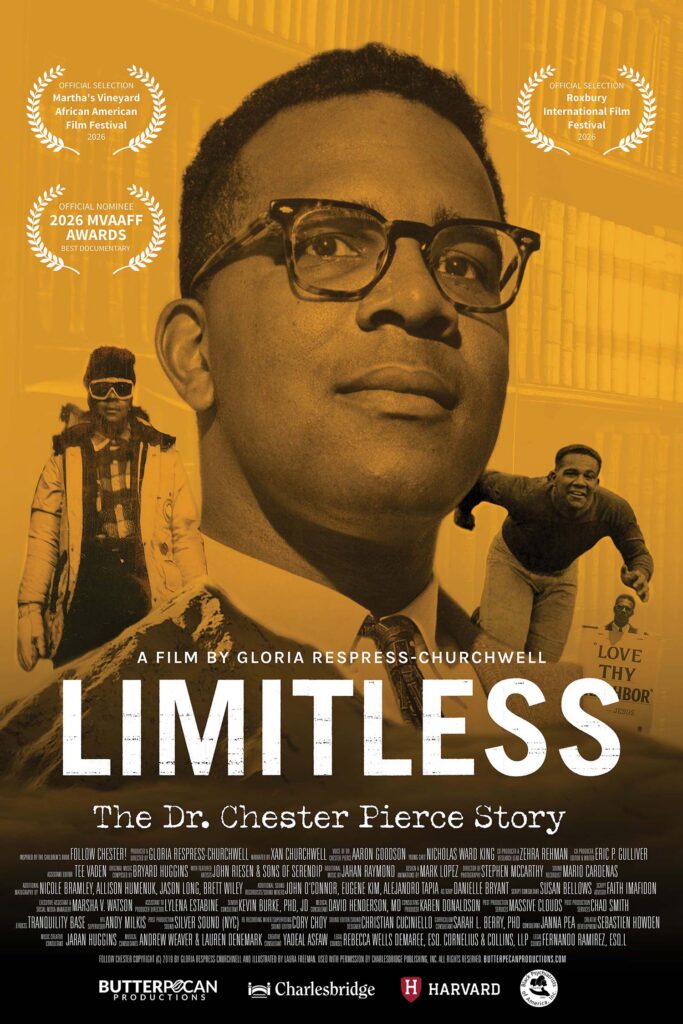
I thought I understood the word microaggressions. Then I watched LIMITLESS: The Dr. Chester Pierce Story and sat down with director and producer Gloria Respress-Churchwell during the Martha’s Vineyard African American Film Festival.

LIMITLESS
The Dr. Chester Pierce Story
photo credit: Butter Pecan Productions

Dr. Chester Pierce was a Harvard-trained psychiatrist and physician, athlete, researcher, educator, mentor and humanitarian. His work took him from Harvard to Antarctica and even Sesame Street. Yet as impressive as his accomplishments are, I found myself thinking less about his résumé and more about the experiences that shaped the man.

What was it like to repeatedly enter spaces where he was the only Black person? How did those experiences influence his understanding of racism and human behavior? Most importantly, what can his work teach all of us today?

That’s where my conversation with Gloria became much bigger than a discussion about a documentary.

It became Real Talk for Real People.

Before He Named Microaggressions, He Lived Them

To understand Dr. Chester Pierce, Gloria told me, you have to understand his parents. His mother believed deeply in community and service, while his father worked at the Nassau Country Club and had limited formal education but tremendous awareness. People sometimes spoke freely around him as though he weren’t there. He listened, absorbed what he heard and brought those lessons home to his sons, helping them understand how to navigate spaces that weren’t always designed to welcome Black men.

All three sons eventually attended Ivy League schools. Chester chose Harvard.

Some of the lessons his parents taught had nothing to do with academics. Gloria shared that Pierce was taught never to pose for a photograph with his arm around a white woman. That may sound unimaginable today. For a young Black man of his generation, it was a lesson about safety. Those experiences matter when we consider the man who would eventually give us language for something many people experienced but couldn’t always explain.

What Exactly Is a Microaggression?

This was the part of my conversation with Gloria that I really wanted to understand.

I told her I’ve always struggled somewhat with the word micro. There can be nothing small about repeatedly experiencing something that makes you feel as though you don’t belong.

Gloria explained that blatant discrimination is usually easier to recognize. A racial slur is obvious. Segregation is obvious. A microaggression can be much more subtle. It might be a comment, assumption or behavior that communicates something about a person’s race or identity without anyone explicitly saying it. Sometimes you leave the interaction wondering:

Did that really happen? Did they mean it that way? Am I reading too much into it?

The person on the other side of the interaction may be thinking something entirely different:

That’s not what I meant at all.

That is where I believe we have an opportunity for conversation.

Understanding microaggressions doesn’t require us to assume that every uncomfortable interaction is racist, nor does it require us to assume that every person who commits a microaggression intended to hurt someone.

It asks us to consider something more nuanced:

Can our intentions be different from the impact of our actions?

Two People Can Experience the Same Room Differently

I shared something with Gloria that I’ve experienced many times. I can walk into a room filled almost entirely with white people and immediately recognize that I’m the only Black person there. A white friend can walk into that same room beside me and never notice. Neither one of us has done anything wrong. We’re simply experiencing the same room through different histories. My awareness comes from having spent a lifetime noticing when I’m the only one. My friend may never have needed to develop that awareness.

Pierce knew that experience well.

One image in LIMITLESS shows him with his Harvard football teammates. He is the only Black man. During his junior year, Harvard traveled to the University of Virginia to play football in the Jim Crow South. Pierce encountered segregation that many of his teammates from the North had never personally experienced. His teammates could enter through the front. Pierce could not. When he was required to use another entrance, Gloria told me his teammates followed him.

I loved learning that.

They couldn’t experience racism exactly as Pierce did, but they could recognize that their friend was being treated differently and choose how they responded. To me, that’s an early example of something we talk about frequently today: allyship. Sometimes allyship isn’t knowing exactly what to say. Sometimes it’s simply deciding not to leave someone standing alone.

When a Small Moment Has a Larger Impact

This conversation became personal for me. My husband and I moved to Sag Harbor year-round to raise our daughters in 2001. We loved the community, but our experience also came with challenges. Our oldest daughter was one of only two Black students in her grade. In high school, she was earning grades in the 90s. When students were being considered for AP English, the teacher who would teach the class told us she couldn’t recommend our daughter because she would be the “weakest link.” I remember being confused.

If her grades demonstrated that she could handle the work, why wasn’t she considered ready?

I can’t tell you what that teacher intended. I don’t know what was in her mind, and I think that’s important to acknowledge.

I can tell you about the impact.

My husband and I worried that our daughter wouldn’t be supported in that classroom, so we decided not to place her in the class.

At the time, we believed we were protecting her. Looking back, I can also recognize that her classmates who took AP courses received academic preparation she didn’t have before entering college.

That’s one way I understand microaggressions today.

The moment itself may appear small to someone on the outside, but sometimes that moment influences a decision, the decision affects an opportunity, and the impact continues long after the original conversation has ended.

“I Didn’t See It”

One of the most difficult parts of talking about microaggressions is that another person may genuinely not see what you see. I’ve heard, “I didn’t see that.” Maybe they didn’t. The problem comes when “I didn’t see it” becomes “therefore it didn’t happen.”

There’s a difference.

Gloria and I kept returning to one word during our conversation: empathy. Empathy doesn’t require us to have identical experiences. It doesn’t even require us to immediately understand everything someone else is feeling.

It asks us to remain curious.

  • What happened?
  • Why did that affect you that way?
  • Is there something about this experience that I’m not seeing?

Those questions create room for conversation instead of immediately putting two people on opposite sides.

Racism, Mental Health and Resilience

Pierce understood that repeated experiences with racism could have psychological consequences, which made me wonder about something much more personal.

What did all of this do to him?

Gloria couldn’t definitively answer that question. Pierce wrote and spoke about racism, mental health and microaggressions, but she hadn’t uncovered much where he explicitly discussed his own emotional wounds. That left us wondering whether a Black psychiatrist of his generation would have felt comfortable publicly acknowledging that vulnerability.

We may never know.

What we do know is that Pierce continued moving forward.

I asked Gloria whether our celebration of Black resilience can sometimes cause us to overlook why that resilience was necessary in the first place.

Her answer offered an interesting perspective. Racism is something another person can do to you. Resilience is something you can control.

Pierce couldn’t control another person’s prejudice, but he could decide whether it would determine the boundaries of his life.

He became a physician and psychiatrist, conducted research in Antarctica, contributed to Sesame Street and mentored generations of people.

Still, resilience doesn’t necessarily mean an experience didn’t hurt.

It means you found a way to keep moving.

Why This Conversation Still Matters

Nearly 60 years after Dr. Chester Pierce gave us the language of microaggressions, we’re still using it because we’re still experiencing them.

That doesn’t mean we haven’t made progress.

Gloria pointed to mental health as one example. Conversations about therapy, anxiety, trauma and emotional wellness are far more open today than when Pierce entered psychiatry, including within Black communities.

There is also greater awareness of how our different backgrounds can shape the way we experience the same schools, workplaces, neighborhoods and social spaces.

Maybe the next step isn’t arguing over whether every interaction qualifies as a microaggression.

Maybe it’s becoming more comfortable asking questions.

Understanding a microaggression doesn’t require a white person to feel guilty for being white, just as sharing an experience with racism doesn’t require a Black person to prove what another person intended.

  • There is room between those two positions.
  • That room is where listening happens.
  • It’s where someone can say, “I didn’t realize you experienced it that way. Tell me more.”
  • It’s where another person can explain without automatically assuming the listener is incapable of understanding.
  • It’s where empathy begins.

That is what stayed with me after watching LIMITLESS: The Dr. Chester Pierce Story and talking with Gloria. Dr. Chester Pierce gave us more than a word. He gave us language that can help us talk about experiences that are sometimes difficult to see, explain or understand. Nearly six decades later, perhaps the goal shouldn’t simply be to decide who is right or wrong. Maybe we should start by trying to understand what the other person sees.

That’s a conversation worth having. Real Talk. Real People.

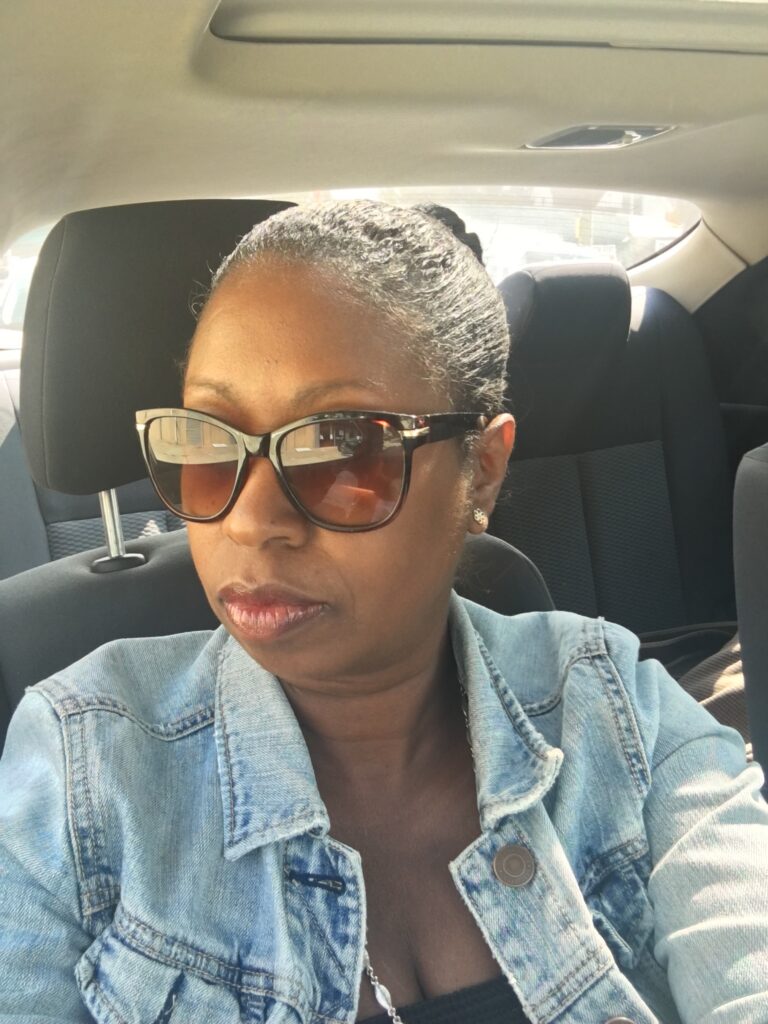
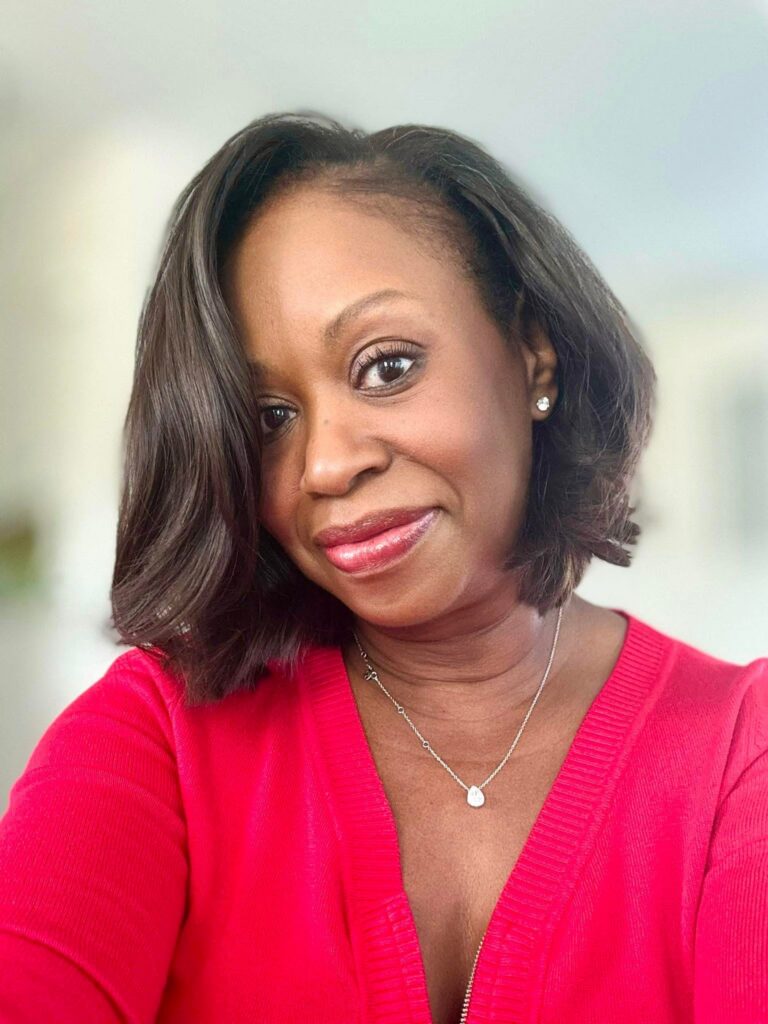
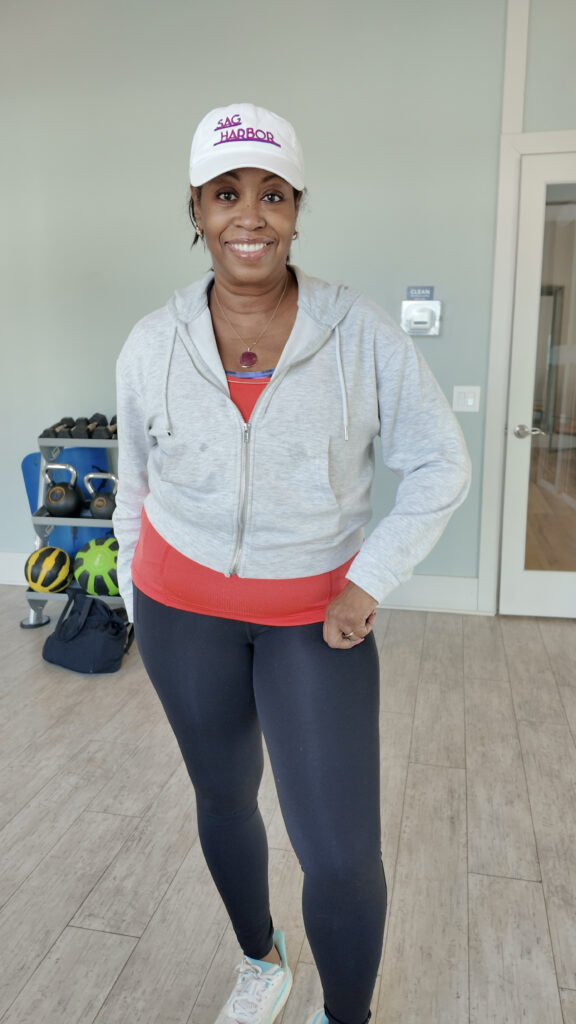
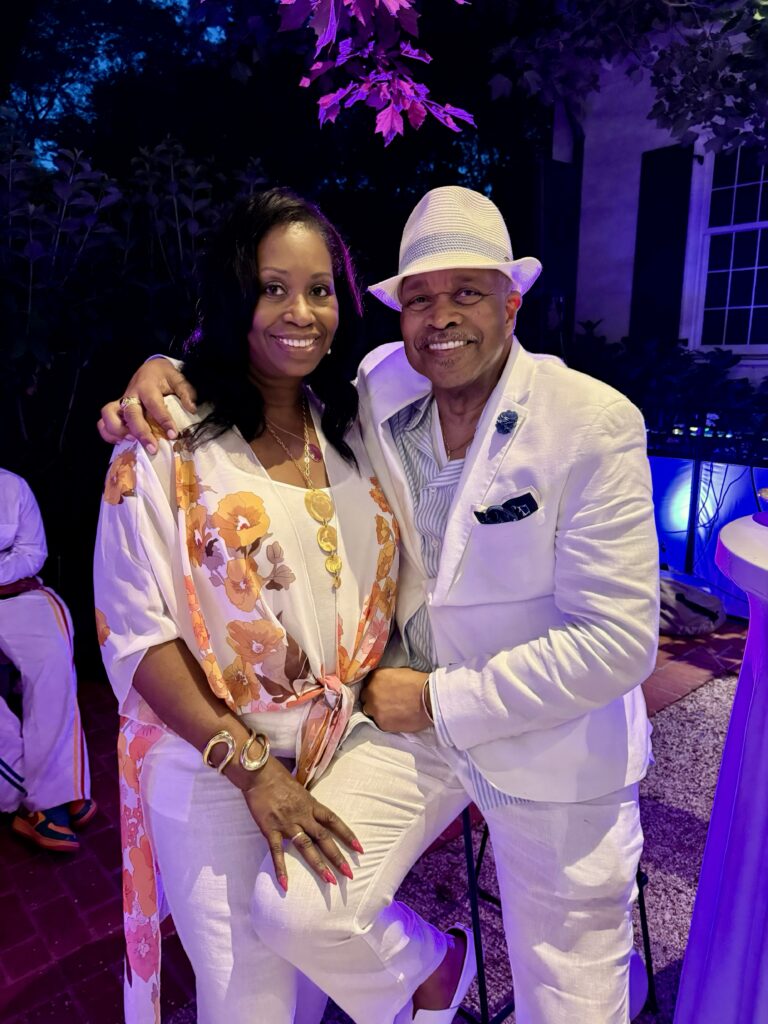
Aging with Confidence and Purpose! This is 60!

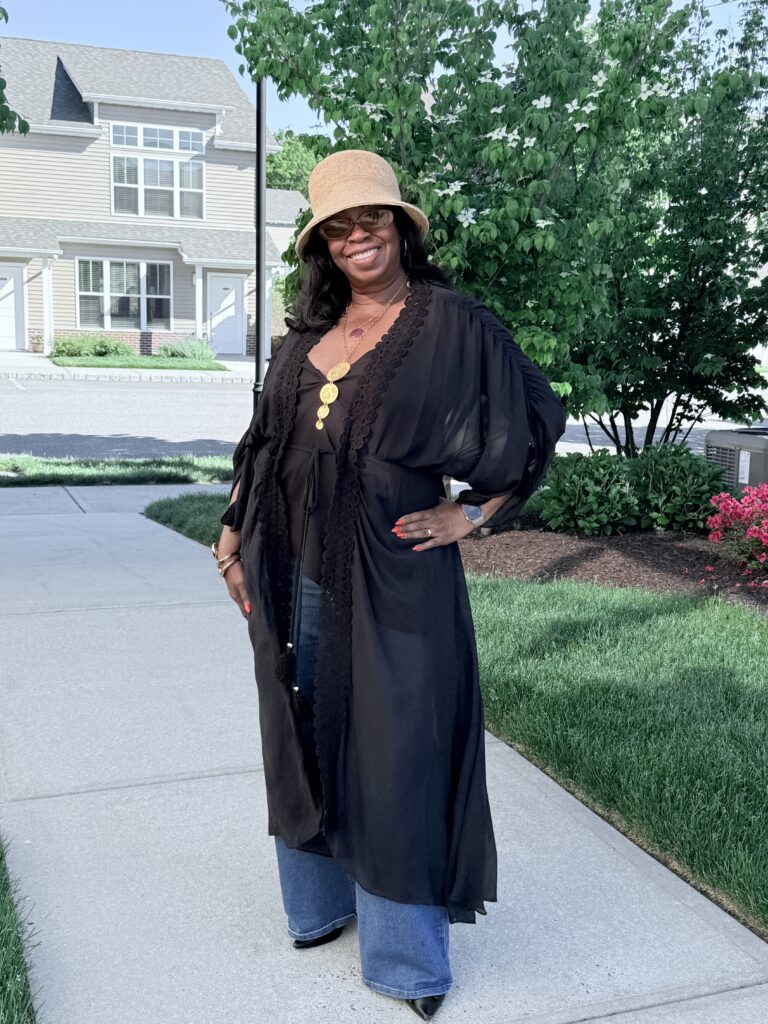
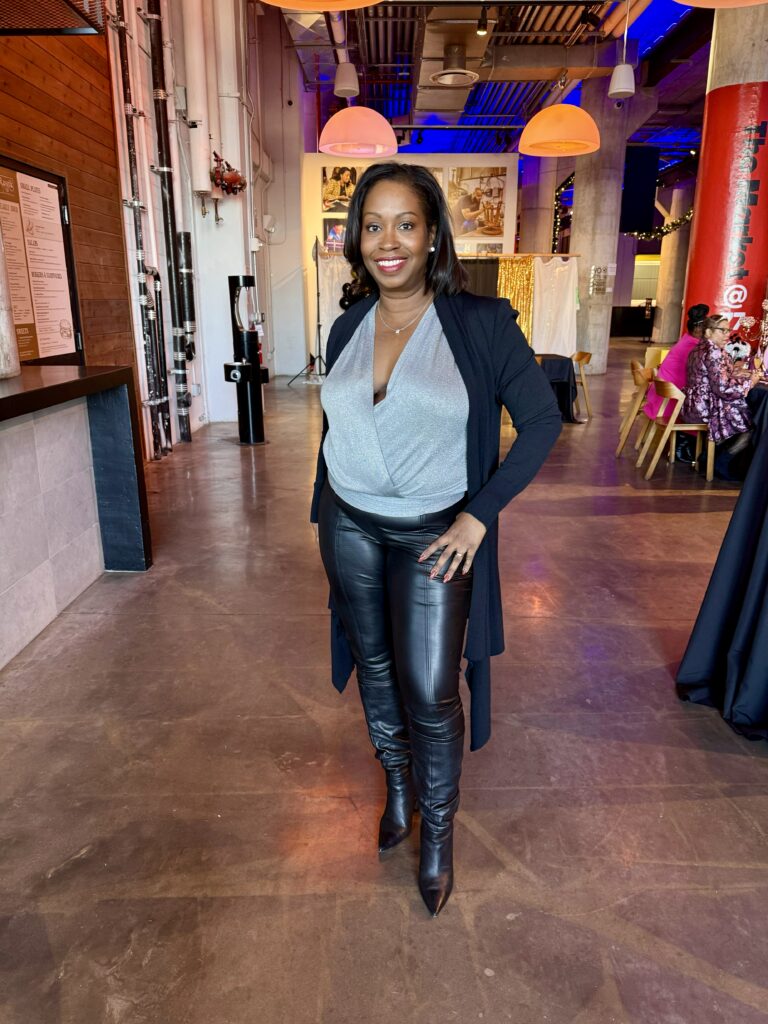
What does 60 look like?

After my mother died in 2017 at the age of 69, I made a decision that changed my life. I wasn’t going to spend the next chapter simply growing older. I was going to become healthier. That was the beginning of my wellness journey. It wasn’t about losing weight or looking younger. It was about deciding how I wanted to live the rest of my life. I started eating differently, moving my body more, making sleep a priority, protecting my peace, and finally putting myself first. Looking back now, I realize this is the foundation of what 60 looks like for me, not chasing youth, but choosing health, strength, and purpose. I wrote about that journey in Putting Me First: How My Wellness Journey Began and Where It’s Headed, and I now understand it wasn’t just about improving my health. It was about reclaiming my life.

Not because I’m trying to compete with someone who’s 30 years younger than me, but because I genuinely like the woman I see in the mirror. That wasn’t always true. Learning to love the reflection staring back at me has been its own journey, something I wrote about in Real Talk: Loving What You See in the Mirror. Confidence doesn’t come from looking younger. It comes from finally accepting yourself.

It’s continuing to learn, to laugh, to dream, and to believe your best chapters may still be ahead of you. That’s exactly what inspired me to write Youth Is a Whole Mood.

“Wow… that’s so young.”
Maybe that’s because it is.
Or maybe it’s because our definition of aging has changed.

Back in 2012, my friend Tara posted a status on Facebook called “Favorite things about me.” It was funny, bold, honest, and so unapologetically her that I could not stop smiling. It made me think about how rarely we pause to acknowledge the parts of ourselves we actually love. That moment was one of the first times I started paying attention to my own self-love journey. At that time, the world felt very focused on perfection. Filters and editing were becoming normalized, magazines were already retouching everything, and beauty standards were operating at full speed. It was exhausting.

Tara passed away during COVID in 2021, and I miss her every single day. Her voice, her humor, her energy, and the way she always spoke her truth. I am grateful I had her in my life, and I still feel her influence in the way I approach honesty and vulnerability.

Over the years, I have written about various aspects of my own self-love journey, including how I learned to prioritize myself. You can read more about that here: Putting Me First, How my wellness journey began and where it’s headed. 

If you can look in the mirror and like what you see, truly like it, that is a blessing. And you should never let anyone convince you otherwise.

For years, I struggled to like what I saw in the mirror. When I was younger, I was in an accident, and both of my feet suffered third-degree burns. For my entire childhood and early adulthood, I lived terrified that someone would notice. Men talk about women’s feet the way people talk about wine. Detailed, judgmental, and full of rules. It got in my head. I convinced myself I could never be seen as beautiful. I dated to fill an emptiness I did not know how to sit with. My self-esteem lived in the basement, and my self-love journey had not even begun.

Then one day, working at Mrs. Fields Cookies in Bloomingdale’s, a co-worker said to me, “You are so pretty. No one is looking at your feet.” It sounds simple, but that sentence cracked something open. The hardest thing I have ever done in my life was not motherhood, moving, career changes, or taking risks. It was the first day I wore shoes without stockings. That was the day I walked into the world without trying to hide. No pointing, no whispering, no falling apart. Just me. I did not know it at the time, but that moment was the first real step in my self-love journey.

From that moment on, I stopped letting other people’s opinions direct my life. If someone talks about me now, that is their hobby. I like me, and that is enough. Learning to hold that truth was part of my self-love journey, too.

I believe God gives us all a plan. Mine was to learn empathy through imperfection. I do not judge people for what they look like or what they are missing. I want to know their gifts and their heart. I am not a saint. If you are wearing something ridiculous, I may judge that, but that can be fixed. My self-love journey taught me that what matters most lives far beyond appearances.

• I love my body from my head to my toes
• I love my feet because they carried me through life when they easily could not have
• I love my smile, my voice, and my lips
• I embrace my voluptuous breasts (I might prefer one size down, so I did)
• I love my laugh
• I love my ability to love
• I love that I try to be a good friend
• I love my daughters and my husband
• I love my mind
• I love my sense of humor
• I love my ability to forgive
• I love that I am opinionated
• I love that I talk a lot
• I love wearing sexy dresses
• I love that I love without conditions
• I love helping people; it makes me happy
• I love that my family loves me unconditionally
• I love cooking for the people I care about

Are there areas I can improve? Of course. Staying in shape is about health now, not perfection. But my life is full of blessings. I wake up every day grateful. I thank God for my daughters and my husband, who is my rock and my number one fan.

If there is one thing I learned from Tara, it is that life is too short not to love who you are. Too short to shrink. Too short to wait for permission. Too short not to tell the truth about what makes you special.

To anyone reading, I invite you to make a list of your favorite things about yourself. Start small if you need to. Loving yourself, or even just liking yourself, can change how you move through the world.

Real talk. You deserve that.

Special thanks to my friend Tara Sharp for the inspiration. I love you, and I miss you.

I feel 30 years younger.
Here’s why…


Youth is a whole mood. I feel 30 years younger. Here’s why… There comes a moment when you wake up, stretch, and your body says, “Oh, we are doing amazing today.” Not “my knees sound like a percussion section.” Not “I need five minutes and a prayer to get out of bed.” No. Amazing.

Real Talk. Real People. I literally feel 30 years younger. And listen… that did not happen because I stumbled on a sale for magic supplements on Instagram. It happened because I finally did the one thing that changes everything.

I chose myself!

For decades, I poured into everyone else’s cup, my family, my work, my community. If someone needed something, I was there faster than overnight delivery. Meanwhile, I was surviving on caffeine, stress, and a “maybe I’ll sleep next month” mentality.

Then one day, I woke up with a whole new energy. Not today. Not anymore. And when a woman chooses herself? The glow is undeniable.

My body started responding like: Oh! You love us now? Say less. I slept. I moved my body. I nourished myself like someone I care about. I set boundaries that were not up for negotiation. I healed, not the cute social-media kind, the real, tear-streaked, deep kind.

Suddenly… energy. Strength. Joy. Feeling young again is not shallow; it is survival. It is honoring your body before it quits on you. It is saying yes to life again. It is reclaiming every part of you that got lost while you were busy holding everyone else together.

Healing is hot. Mental peace is juicy. Self-respect is the facelift you do not need to finance. The more I chase joy, the more joy chases me right back. I wake up excited. I move like I have somewhere fabulous to be, even if it’s just the kitchen. My heart beats with possibility.

Aging isn’t the enemy. Abandoning yourself is. I spent years putting everyone first. Now I’m leading my own parade, and trust me, the band is playing loudly.

What I know for sure: you cannot bloom if you keep watering everyone else’s garden but your own. Self-care is not selfish. It is survival. And if this is what survival looks like? Honey, I’m ready to thrive.

Thirty years younger? Let’s upgrade it to timeless.

Real Talk. Real People. Youth is a whole mood, and I am living it loudly.

  • Power down screens 60 minutes before bed
  • Bedroom = dark, cool, quiet (sleep sanctuary vibes)
  • Same sleep + wake time every day (yes, even weekends)
  • Sip something soothing: chamomile, magnesium, tart cherry
  • Gratitude brain dump: 3 things → peace of mind → better REM
  • 30–45 min movement most days (walk, dance, bike, live your life)
  • Strength training 2–3x weekly (muscle = youth insurance)
  • Stretch or mobility work daily (hips and joints don’t lie)
  • Sneaky NEAT: stairs, parking far, house grooves
  • Track steps to stay honest, aim for progress, not perfection

Say these with your whole chest:

  • “That won’t work for me.”
  • “I’m not available for that.”
  • “No, and thank you for understanding.”
  • “Let me get back to you once I check my priorities.”
  • “I don’t explain my no.”
    Boundaries = energy Botox.
  • Laugh every day. Extra points for snort laughs.
  • Schedule delight: 1 tiny joy before noon
  • Nature time (trees are cheaper than therapy)
  • Music that makes you feel 25 again
  • Hug people who fuel you, not drain you
  • Hydrate like it’s your full-time job
  • Stay curious, learn something new weekly
  • Wear sunscreen (yes, winter too)
  • Release the drama, increase the peace
  • Celebrate EVERYTHING (even small wins)