


SunLife Organics officially opened its doors in Sag Harbor, and if social media is any indication, people already have opinions.
The arrival of SunLife Organics has generated excitement, curiosity, and a healthy dose of skepticism from some locals. That reaction is not surprising. Sag Harbor residents have always been protective of the businesses that give the village its unique character. When a company with more than 20 locations nationwide moves into town, questions are bound to follow.
The biggest question I keep hearing is simple: Is SunLife Organics a corporation? Founder Khalil Rafati says no.
During a recent conversation, Rafati addressed the criticism head-on. He explained that SunLife Organics does not operate like a traditional corporate chain. There is no corporate office, no assistant managing his schedule, and no executive team filled with business school graduates. Rafati describes the company as a mission-driven business built around community, wellness, and human connection.

That may sound surprising considering the growth of SunLife Organics, which now has locations across the country. Rafati acknowledges the contradiction. He understands why people see multiple locations and assume “corporate chain.” He simply believes the label does not reflect the culture he has worked to create.
The story behind SunLife Organics is part of what makes the brand different. Rafati openly shares his journey from addiction, homelessness, and incarceration to building a nationally recognized wellness company. He says the original goal was never to build an empire. The goal was to create the kind of place he personally wanted to visit. He envisioned a welcoming space where people could gather, enjoy high-quality organic food, and connect with one another.
That philosophy appears to be influencing the Sag Harbor location in a significant way.
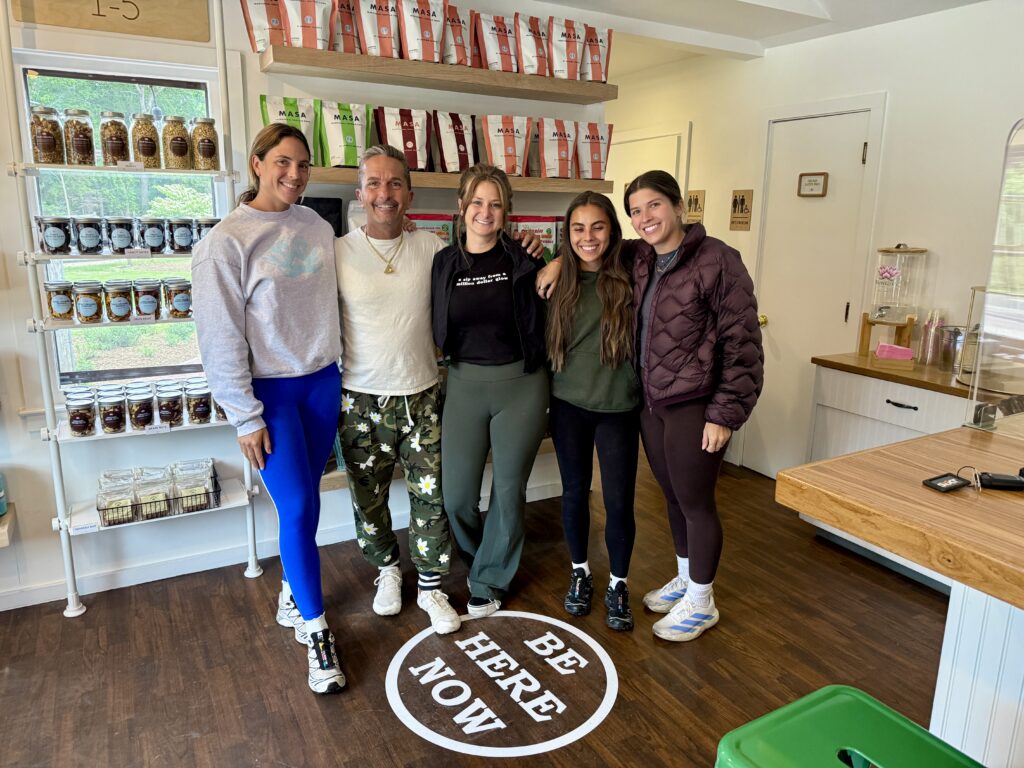
One of the most interesting aspects of the new SunLife Organics location is its decision to preserve part of what residents loved about Estia’s Little Kitchen. Rafati hired several former Estia’s employees and introduced fresh prepared food offerings, marking the company’s first venture into a full kitchen operation. Unlike other SunLife locations that focus primarily on smoothies, bowls, and wellness beverages, the Sag Harbor location is experimenting with something new.
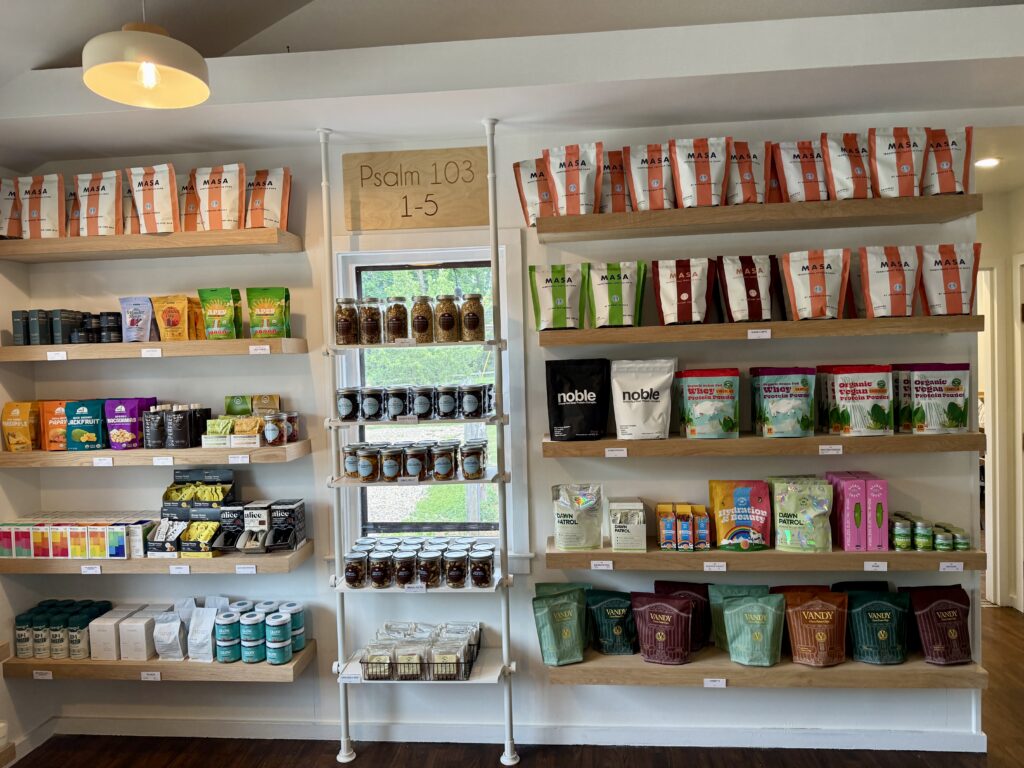
That decision was intentional. Rafati said he wanted to honor the tradition of what existed in the space before. The menu will likely become one of the most talked-about aspects of SunLife Organics in Sag Harbor. Local residents have strong opinions when it comes to food. The former Estia’s customer base was loyal, passionate, and deeply connected to the restaurant. Replacing that kind of community institution is never easy. The space itself is also generating conversation.
Visitors immediately notice the crystal wall and the large “Be Here Now” message displayed inside the store. For Rafati, those elements are more than design features. He describes them as reminders to slow down, put away distractions, and connect with the people around us. Whether you embrace that philosophy or roll your eyes at it, the message is certainly getting people talking.
The outdoor space may end up becoming one of the location’s biggest assets. The property feels less like a quick stop for a smoothie and more like a gathering place. Community events, wellness programming, live music, and neighborhood meetups all seem like natural possibilities if the brand chooses to lean into the local culture.
The future of SunLife Organics in Sag Harbor may ultimately come down to one thing: community acceptance. Residents embraced Estia’s because it felt authentic. It felt local. It felt like Sag Harbor.
The question now is whether SunLife Organics can create that same sense of belonging while carrying the baggage that often comes with being a nationally recognized brand.
Personally, I find the conversation fascinating. Many people will continue to argue that a company with more than 20 locations is, by definition, a corporation. Khalil Rafati would strongly disagree. His argument is that culture matters more than size.
Time will tell which perspective resonates most with Sag Harbor.
One thing is certain. The village is watching.
Real Talk. Real People.
What do you think?
Will Sag Harbor embrace SunLife Organics the way it embraced Estia’s?




Comments are closed.