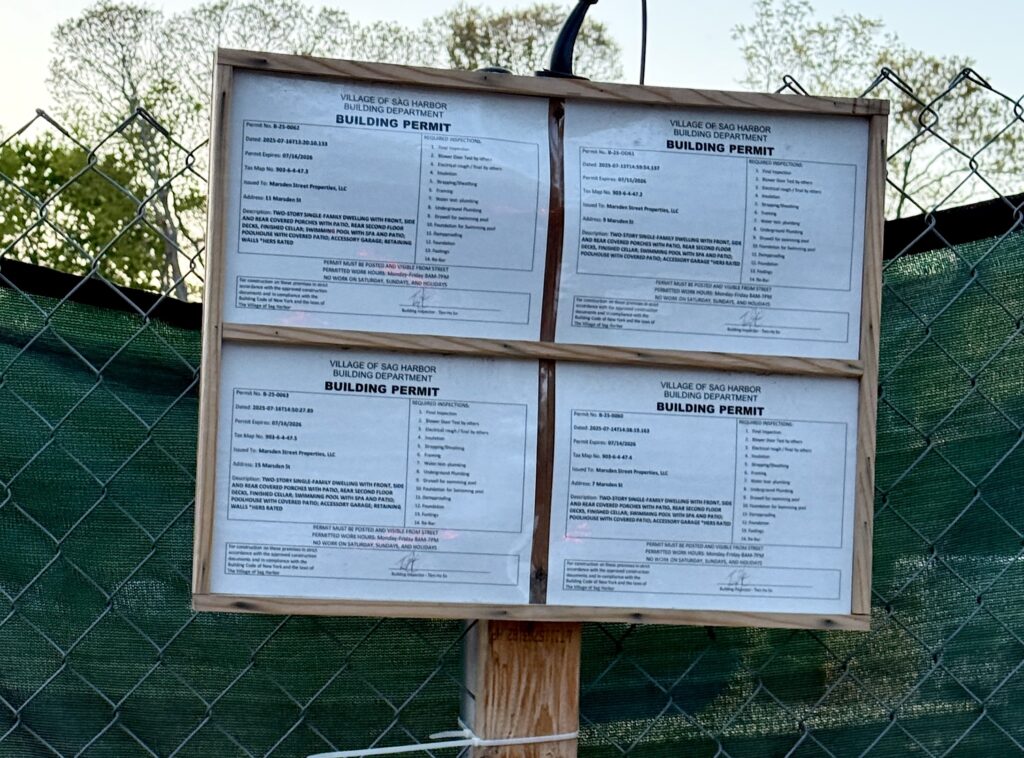
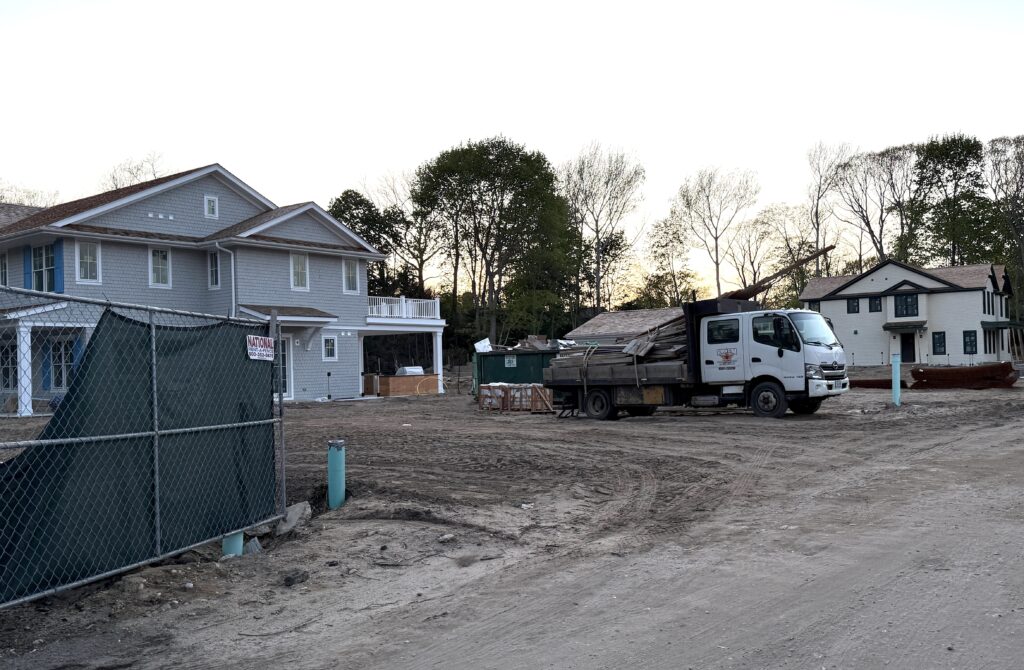
What’s happening on Marsden Street in Sag Harbor didn’t just start in 2023, and it didn’t start with bulldozers either. This story has been building for decades, shaped by decisions, disagreements, and a community that has always cared about what happens here.
And now that we’re seeing the outcome, a lot of people are asking the same question: What actually happened after Sag Harbor voted no?
It Started Long Before We Were Paying Attention
Back in the 1970s, the Marsden lots were already raising concerns. The land was cleared for development, and neighbors questioned the environmental impact and what it would mean for the area. Different decade, same tension. Which makes you wonder…
Was Marsden Street ever not going to be developed?
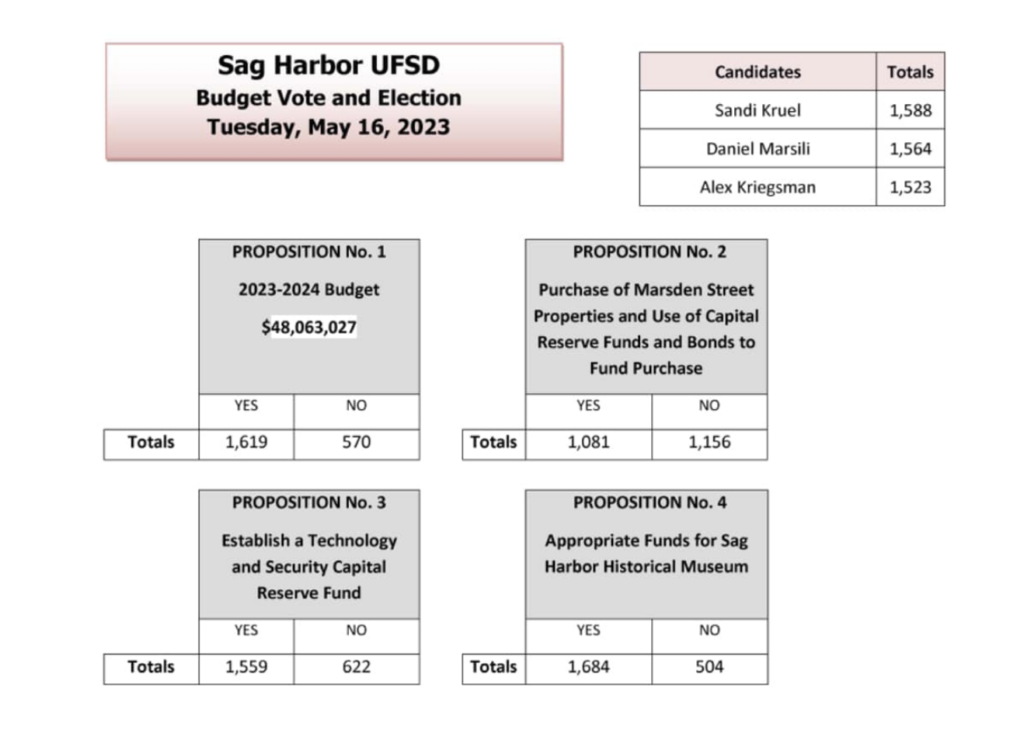
Then Came the 2023 Vote
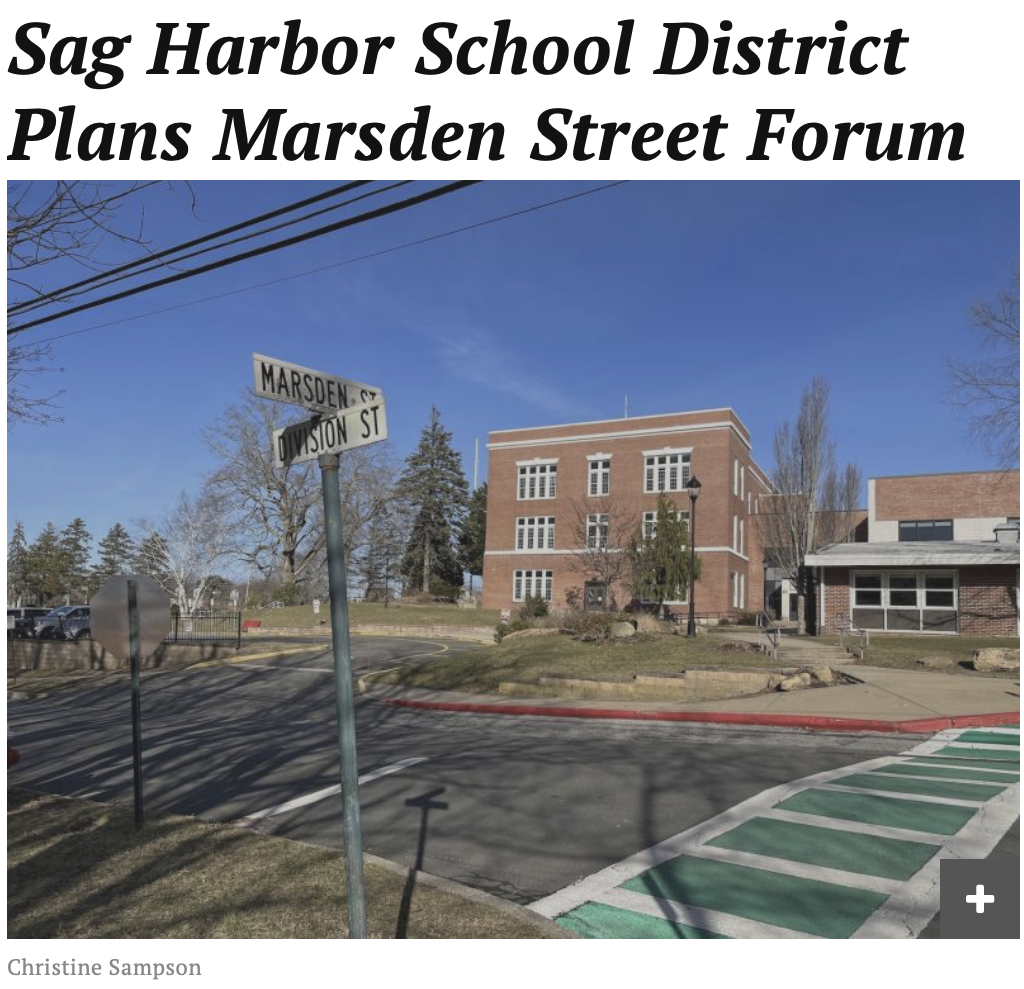
In 2023, the Sag Harbor School District proposed purchasing the land for $9.425 million. That’s when the real divide happened.
Some saw opportunity. Others saw uncertainty.
And the biggest question at the time was simple:
Why did Sag Harbor vote no?
For many residents, it came down to this:
No clearly defined plan
Concerns about environmental review
Questions about long-term cost
Not rejection for the sake of rejection. More like hesitation without enough clarity.
The Part We Didn’t Sit With Long Enough
Here’s the question that didn’t get enough attention: What happens if the community says no? Because land doesn’t sit still waiting for clarity. It moves.
What Happened After the Vote
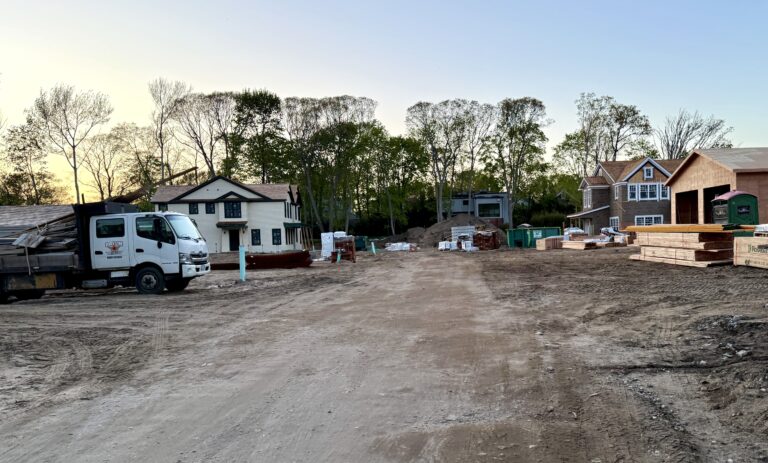
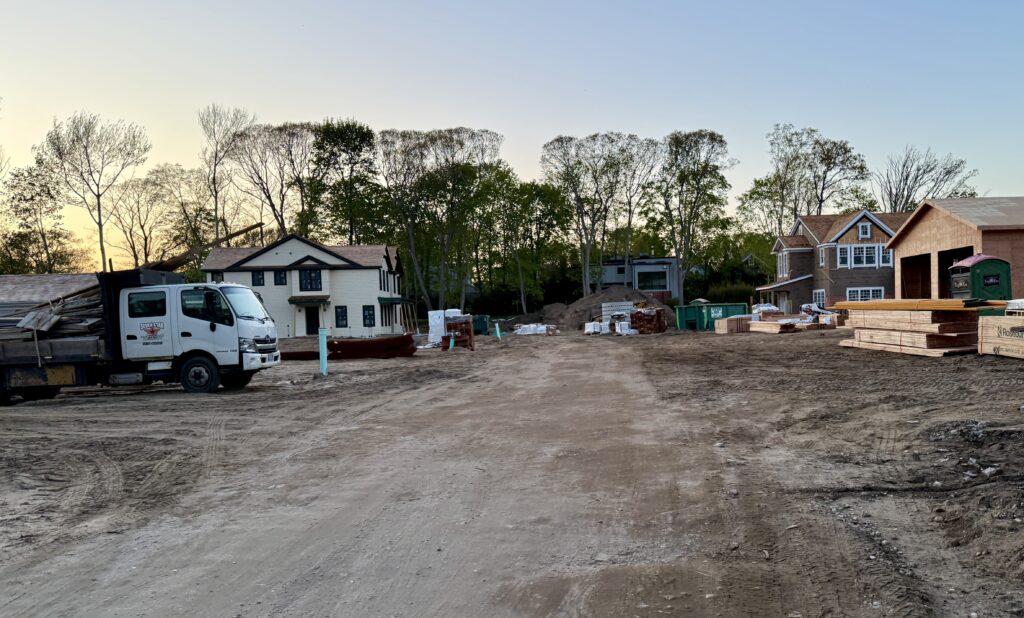
And now we know. After the vote failed, the property remained private. It was sold, subdivided, and is now being developed into residential homes. That’s not speculation. That’s reality. So the better question now becomes:
Was the outcome avoidable, or was it always part of the equation?
Who Benefited
When public acquisition falls through, private development usually follows. That’s exactly what happened here.
The developer benefits. Future homeowners benefit.
And the community? That’s where it gets personal. Because now the question isn’t just what happened. It’s:
Did this outcome align with what Sag Harbor actually wanted?
The Lesson That Lands Differently Now
Looking at Marsden Street today changes how the original decision feels.
At the time, it felt like: Pause. Wait. Ask more questions.
Now it looks like: Missed opportunity to control the outcome; and that brings us to the bigger takeaway: Saying no doesn’t stop development. It changes who controls it.
What Comes Next
So now let’s bring it back to where we are today in Sag Harbor. This isn’t just about Marsden Street anymore.
It’s about the next vote. The next proposal. The next moment where the community has to decide. Maybe the better question moving forward is not just: What are we voting against? But: What are we saying yes to instead?
Let’s Talk
Looking at it now… Would you make the same decision? Or does seeing it built out change everything?
Real Talk. Real People. Real Impact. While others talk, we are asking what matters.
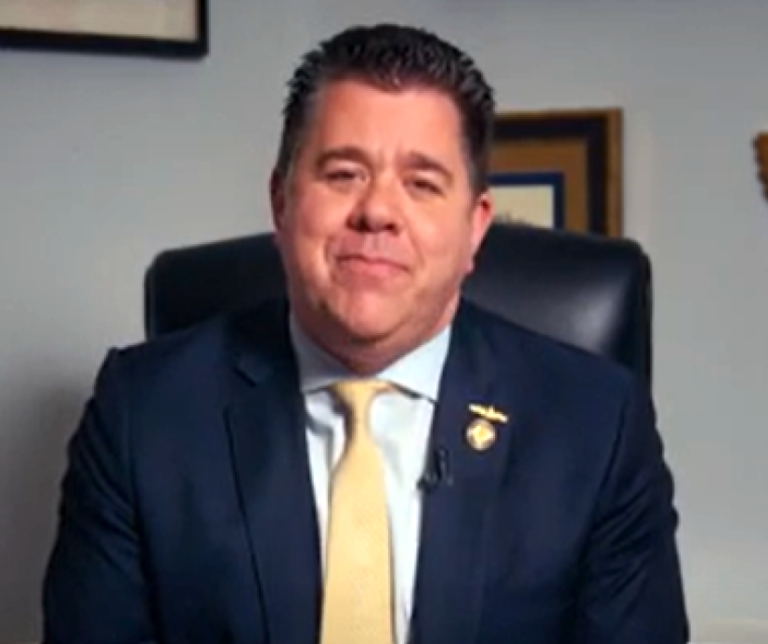
There is something about a Nick LaLota town hall conducted over the phone that already feels filtered. There is no room, no crowd, no raised hands, and no real-time accountability. Instead, there is a voice, an operator, and a promise that questions will be taken from constituents.
What Actually Happened
During the recent Nick LaLota town hall, constituents were told that questions would not be cherry-picked. However, the structure of the call suggested otherwise. Participants were required to submit their questions through an operator, who then decided which questions would be asked. This process creates a level of control that is not present in traditional, in-person town halls.
Delays and Priorities
One of the most noticeable aspects of the Nick LaLota town hall was the delay before the discussion truly began. The call appeared to wait until thousands of participants had joined, suggesting that the number of listeners was a priority. By the time the conversation gained momentum, the available time for meaningful engagement had already been reduced.
Time and Cost Concerns
At one point during the Nick LaLota town hall, a comment was made about the cost associated with extending the call. This raised an important question about priorities. If this format replaces in-person town halls, then time should be allocated to ensure that as many constituent questions as possible are addressed, regardless of cost.
The Question That Was Not Asked
A key concern during the Nick LaLota town hall was that certain questions were not addressed at all. One such question focused on votes against federal spending bills that included funding for housing and environmental programs. This question directly relates to issues affecting Long Island residents, including housing affordability and water quality.
Local Impact on the East End
The issues raised but not addressed during the Nick LaLota town hall are not abstract policy debates. Housing affordability continues to be a pressing concern, workforce housing remains limited, and environmental issues, including water quality, are ongoing challenges. These are real problems that require direct and transparent responses.
Government Shutdown Reality
The Nick LaLota town hall also included a discussion about government shutdowns and their impact. Workers from the Transportation Security Administration continue to report to work during shutdowns, often without immediate pay. This creates financial strain and uncertainty for thousands of essential workers.
Statements on Shutdowns
During the Nick LaLota town hall, the Congressman stated that shutting down the government is short-sighted and harmful, particularly for TSA employees. This statement reflects a widely recognized reality, as shutdowns disrupt lives and services without producing consistent long-term policy outcomes.
Assigning Blame
The Nick LaLota town hall also included the assertion that Democrats are responsible for government shutdowns. However, shutdowns typically occur when multiple branches of government fail to reach an agreement. Responsibility is shared across parties and institutions, making the situation more complex than a single point of blame.
The ICE Discussion
Another topic raised during the Nick LaLota town hall involved immigration enforcement. It was stated that Immigration and Customs Enforcement continues operating during shutdowns. While this is partially accurate, ICE benefits from different funding structures, while agencies such as TSA experience more immediate financial impacts.
The Epstein Files Exchange
A more serious moment during the Nick LaLota town hall occurred when a constituent asked about the Epstein files. The Congressman expressed support for transparency, accountability, and the protection of victims. He emphasized that anyone involved in wrongdoing should be held accountable, while also ensuring that victims are not retraumatized.
Transparency and Accountability
The response to the Epstein question during the Nick LaLota town hall demonstrated that when substantive questions are asked, substantive answers can follow. However, this also highlights the importance of ensuring that all relevant questions are allowed to be addressed.
The Bigger Picture
The overall structure of the Nick LaLota town hall raises broader concerns about access and accountability. When questions are filtered and time is limited, the conversation becomes controlled. This limits the ability of constituents to engage directly on issues that matter most to their communities.
Real Talk
The Nick LaLota town hall format makes it difficult to reconcile claims of transparency with a system that screens questions. Waiting for thousands of participants to join, while limiting the number of questions answered, creates a disconnect between access and engagement.
Final Thought
The Nick LaLota town hall included a statement that compromise is necessary in government. While that may be true, meaningful compromise begins with open and honest dialogue. Dialogue, in turn, requires listening to constituents without filtering or limitation.
Real Talk. Real People. Real Impact.
👉 If your question was not asked during the Nick LaLota town hall, what would you have wanted to say?
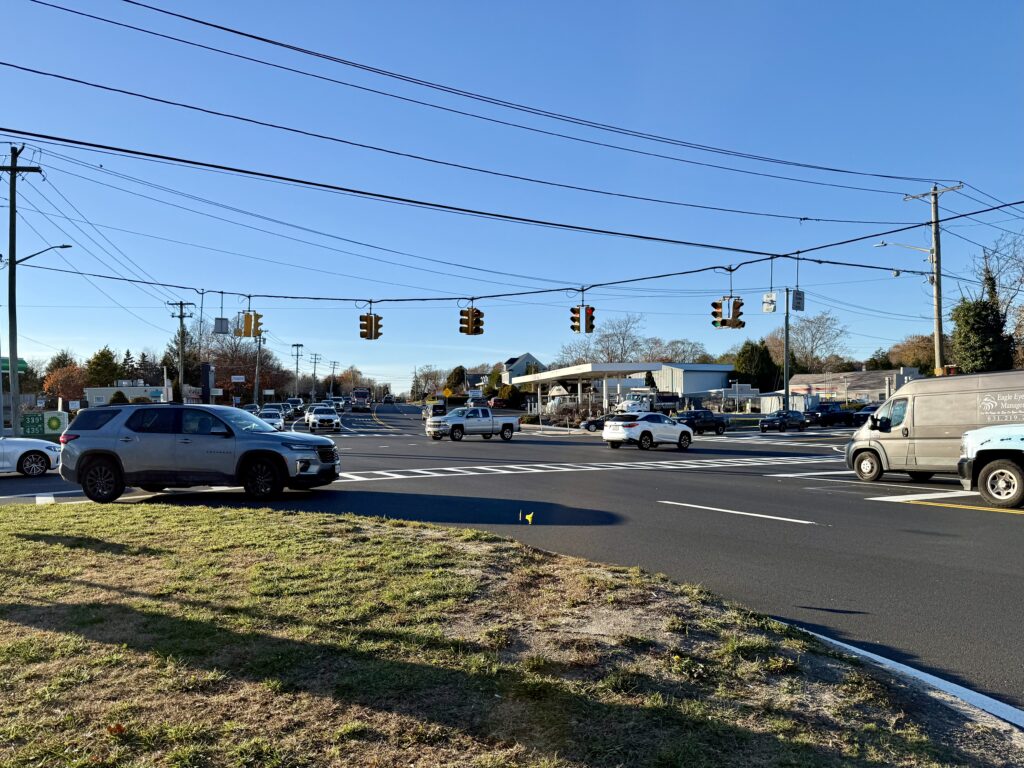
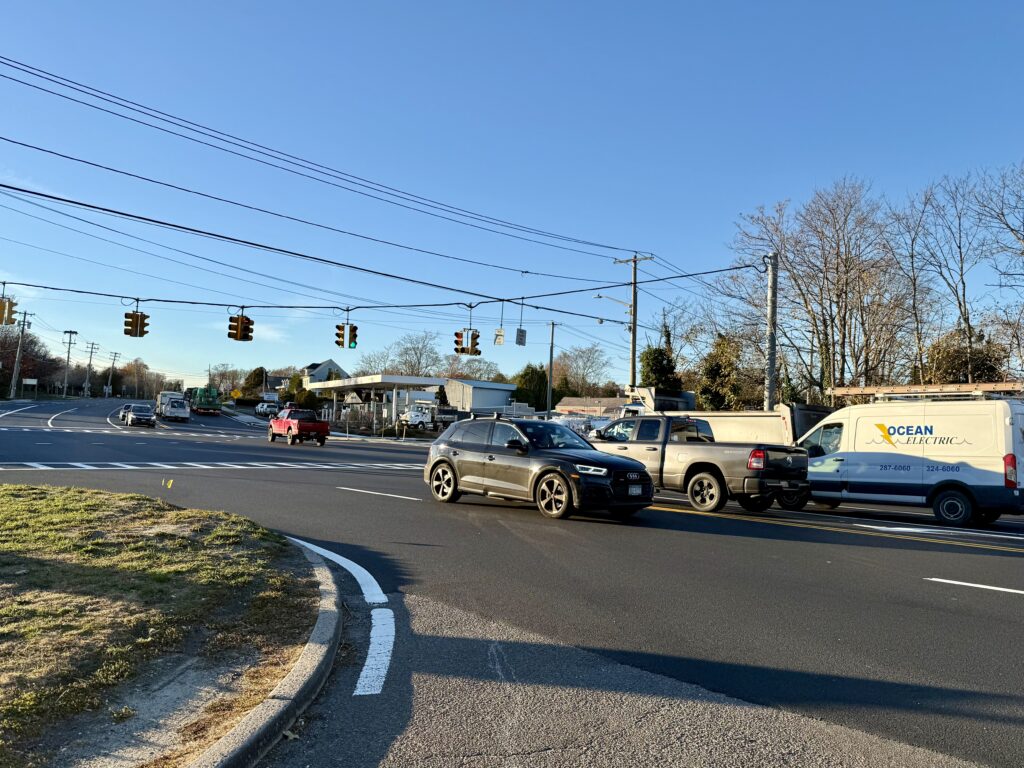
Traffic, Housing, and the Real People Behind the East End Economy. To understand the Hamptons workforce housing crisis, start with traffic. Anyone who has ever sat on County Road 39 knows the routine. Coffee in hand, patience running low, inching forward while questioning life choices. I once called it a “rolling therapy session,” and honestly, that still feels accurate.
But here is the thing. That traffic is not just an inconvenience. It is a moving reflection of the Hamptons workforce housing reality. Those cars are filled with the people who make this place work.
The People Behind the Hamptons Lifestyle
The Hamptons workforce housing conversation is not about buildings. It is about people! Its the teachers shaping the next generation. It’s the nurses working long shifts. It’s the restaurant staff who make sure your dinner arrives just right. It’s the landscapers who maintain the beauty that defines the East End.
The Hamptons may be known for luxury, but it runs on everyday people, and without real solutions for the Hamptons workforce housing, those people are being pushed further away from the communities they serve.
Summer in the Hamptons Runs on Workers
Every summer, the demand for Hamptons workforce housing becomes impossible to ignore. Restaurants double their staff. Hotels bring in additional housekeeping teams. Catering companies prepare for a season of weddings that feel like small cities gathering for a night. Landscaping crews expand overnight.
Many businesses rely on seasonal programs like the H-2B visa and the J-1 visa to fill positions when local labor is not available. Without this workforce, the Hamptons summer experience simply would not exist. But even with these programs, the Hamptons workforce housing shortage remains front and center.
The Housing Reality No One Can Ignore
Here is the uncomfortable truth about Hamptons workforce housing: the people who work here often cannot afford to live here. Rents are sky high. Home prices are out of reach. A single bedroom can cost more than a full paycheck for many workers. This forces people to commute from farther west in Suffolk County or share housing in ways that are far from ideal.
Some employers step in and rent houses for staff. Others try to provide stipends. But the reality is simple. Hamptons workforce housing is no longer just a housing issue. It is a workforce issue.
Who Will Do the Laundry
In a previous Hamptons Mouthpiece article, I asked a question that stuck with people. Who will do the laundry? That question cuts to the core of the Hamptons workforce housing crisis. Communities cannot function without the people who keep them running.
We can build luxury homes. We can welcome visitors. But without workers, none of it works. The Hamptons workforce housing conversation is about preserving the balance between a destination and a community.
The Hidden Housing System Behind the Scenes
Behind the scenes, the Hamptons workforce housing solution often looks very different from what people imagine. Employers quietly rent houses and place multiple workers inside. Hotels create staff housing arrangements.
Workers share rooms, coordinate their schedules, and rely on their employer’s transportation to get to work. It is a system that keeps businesses open, but it is not a long-term solution to the Hamptons workforce housing challenge.
The Complicated Side of Seasonal Work
The Hamptons workforce housing conversation also intersects with immigration and labor systems. Temporary workers often come through legal programs tied to specific employers. That structure can create stability for businesses, but it can also make workers feel dependent on their employer for both income and housing.
At the same time, agencies like U.S. Immigration and Customs Enforcement investigate worksite violations and enforce immigration laws. The result is a system that can feel complicated for both employers and workers navigating the realities of Hamptons workforce housing.
Will This Summer Look Different
This is where the Hamptons workforce housing conversation becomes very real for 2026. Across seasonal communities like the Hamptons, Martha’s Vineyard, and Nantucket, business owners are asking the same question. Will this summer feel different?
Between rising housing costs, ongoing traffic challenges, and increased awareness of immigration enforcement, there is growing uncertainty about the seasonal workforce. When the workforce is uncertain, the Hamptons workforce housing issue becomes even more urgent.
The Economics No One Talks About
Here is the Real Talk side of Hamptons workforce housing. If employers have to pay for housing, that cost does not disappear. It shifts, and some businesses may absorb it. Others may raise prices. Some may adjust wages or limit hiring. Others may increase pay to attract workers willing to commute. There is no one answer, but one thing is clear, Hamptons workforce housing is now part of the business model.
Traffic Is the Symptom, Not the Problem
That daily drive on County Road 39 is more than just congestion. It is a visible sign of the Hamptons workforce housing crisis. Those cars represent long commutes, early mornings, and workers doing what they need to do just to stay employed on the East End. When people cannot live where they work, traffic becomes the connector between the workforce and the economy. And when that connection breaks, the impact is felt everywhere.
What Happens If Nothing Changes
If the Hamptons workforce housing crisis continues unchecked, the consequences will not be subtle. Restaurants will reduce hours. Hotels will limit bookings. Schools will struggle to hire teachers. Healthcare systems will feel the strain. This is not hypothetical. It is already happening in small ways.
The Hamptons workforce housing conversation is about preventing those small cracks from becoming larger problems.
A Reason for Optimism
Despite the challenges, there is still hope in the Hamptons workforce housing conversation. Local initiatives, including efforts connected to the Southampton Town Housing Authority, are beginning to address the need for workforce housing. Conversations are happening. Ideas are being explored. The Hamptons have always been a place of reinvention.
There is no reason it cannot lead the way in solving the Hamptons workforce housing challenge as well.
The Question We Cannot Ignore
So the next time you are sitting in traffic, take a moment and look around. Every car is part of the Hamptons workforce housing story. Someone is heading to work. Someone is making your dinner. Someone is teaching your children. Someone is caring for your family.
The Hamptons is more than a destination. It is a community. And communities only work when the people who power them have a place to live.
Real Talk. Real People. Real Community. If you live in Sag Harbor, you feel it every day. The storefronts change. New businesses arrive. Familiar places disappear. And while growth can be exciting, it can also feel unsettling when the town you love starts to look different. In the middle of all that change, Sag Harbor Pharmacy remains a place that still feels like home.
A Constant in a Town That Keeps Evolving
Sag Harbor is not frozen in time, and no one expects it to be. But there is comfort in knowing that some places still understand the heart of the village. Sag Harbor Pharmacy is one of those places. It serves the people who live here year-round, not just the summer crowds, and that consistency matters more than ever right now.
Built From the Ground Up, Not From a Boardroom
The story behind Sag Harbor Pharmacy is rooted in real work. Owner Tarique Chaudhary did not enter pharmacy through a corporate office. He learned it from the ground up, sweeping floors, stocking shelves, managing inventory, and working every role imaginable alongside his father, a pharmacist. That hands-on experience shaped how he runs Sag Harbor Pharmacy today.
A Thoughtful Decision to Invest in Sag Harbor
Buying Sag Harbor Pharmacy was not a snap decision. It was a careful, intentional choice discussed over time with his wife. Tarique had already spent decades working on the East End and understood the seasonal rhythm of life here. He saw Sag Harbor Pharmacy not as a short-term opportunity, but as a long-term commitment to the community.
Why Owning the Building Was About Stability
Anyone watching Main Street knows how fragile small businesses can be when leases change and rents rise. When the opportunity came to purchase the building that houses the Pharmacy, Tarique did not hesitate. Owning the building was about protecting the pharmacy’s future and ensuring it would not be forced out of the place it has called home for over a century.
Your Pharmacy for Life. Your Pharmacy Year-Round.
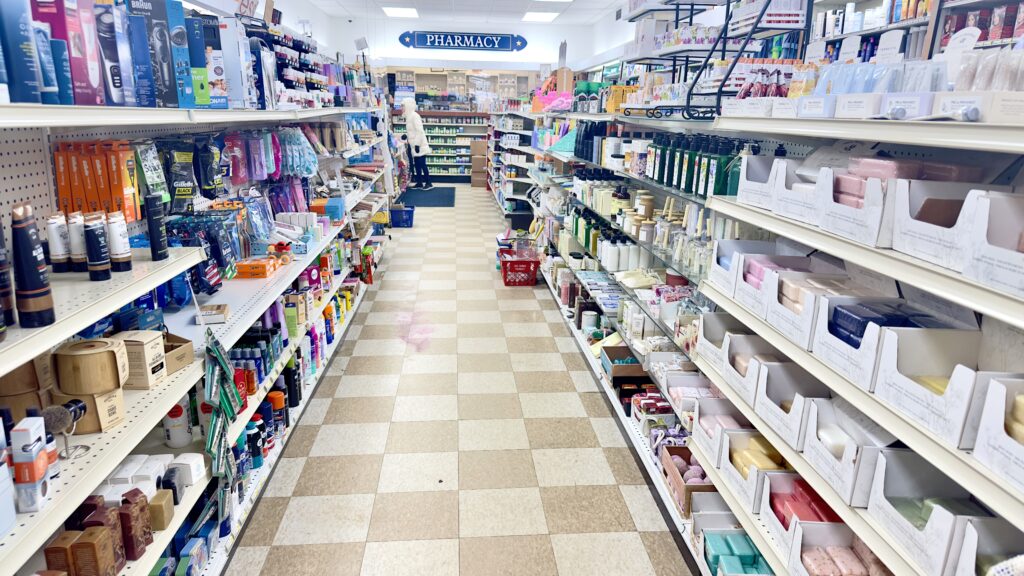
One thing sets Sag Harbor Pharmacy apart. It is not built around trends or tourism. It is built around the people who live here all year. Over-the-counter medications, vitamins, household essentials, shampoos, soaps, and everyday needs are stocked with intention. Pricing stays fair and competitive. Sag Harbor Pharmacy is your pharmacy for life, your pharmacy year-round.
Familiar Faces in an Impersonal World
Healthcare is personal, and Sag Harbor Pharmacy treats it that way. Customers are not numbers. They are neighbors. Pharmacists are approachable, questions are welcomed, and service is fast and accurate. In a world of mail-order medicine and long waits, this pharmacy offers something simple and powerful: human connection.
Adapting Without Losing the Soul
Change does not mean losing identity. Sag Harbor Pharmacy is expanding services thoughtfully, including vaccines, clinical care, and a new compounding lab in development for dermatology, hormone therapy, and veterinary medications. These updates allow the pharmacy to meet modern needs while staying deeply rooted in the community.
Modern Updates With a Hometown Feel
Behind the scenes, workflow improvements have already modernized the pharmacy area at Sag Harbor Pharmacy. Next comes a refresh of the front end, with new lighting, shelving, and design elements that brighten the space while preserving its old-school, hometown pharmacy vibe. The goal is not to erase history, but to honor it.
Why Sag Harbor Pharmacy Matters Right Now
As Sag Harbor continues to evolve, places like Sag Harbor Pharmacy remind us what community looks like when it is cared for intentionally. It is steady. It is familiar. It is here in every season. In a town that is changing, this local pharmacy still feels like home.
Harlem Fine Arts Show Celebrates Black Creativity, Community, and Legacy
Walking into this show felt like stepping into the future while standing firmly in history. From the moment I entered the space, the Harlem Fine Arts Showrevealed itself as more than a traditional exhibition. The energy was alive, immersive, and deeply rooted in Black art and cultural storytelling.
Artist: M. Gasby Brown
The Harlem Fine Arts Show has always been about more than presentation. It is about presence. This year’s exhibition felt intentional and cohesive, blending African Diaspora art with innovation while continuing to elevate contemporary Black artists on a global stage.
When Art Moves Beyond the Frame
New technology played a powerful role in bringing the work to life at the Harlem Fine Arts Show, particularly through installations at O’Bannon Studios. Pieces evolved before your eyes, creating an immersive experience that expanded how Black art is seen and felt.
The 3D artwork by Artbunga LLC was a standout moment at the Harlem Fine Arts Show, stopping viewers in their tracks and challenging traditional gallery norms. The emergence of a young artist from Paloma Hostin reinforced why representation within the Black art community matters at every age.
artist: Paloma Hostin
Texture, Symbolism, and Fearless Color
The Harlem Fine Arts Show also showcased emotional depth through texture and material. The delicate use of lace fabric by M. Gasby Brown felt poetic and intentional, offering a softer yet powerful expression of Black creativity.
Zimbabwean contemporary artist Keith Zenda brought ancestral symbolism to the forefront at the Harlem Fine Arts Show, blending bold color with cultural heritage. His work bridged tradition and modernity, highlighting the global reach of African Diaspora art.
This was Black art in motion at the Harlem Fine Arts Show. Artists were not only creating visually stunning work but also pushing culture forward with purpose, soul, and intention.
Art That Gives Back
What made the Harlem Fine Arts Show especially meaningful was its commitment to community impact. The Bridgehampton Child Care and Recreational Center in Bridgehampton, New York, was a benefactor of the event, reinforcing the connection between art, responsibility, and social good.
Bridgehampton Childcare Center
By supporting a local nonprofit, the Harlem Fine Arts Show demonstrated how cultural institutions can engage with community needs while uplifting Black artists and strengthening the broader Hamptons art scene.
Legacy Meets Hometown
The moment that felt most personal came with the reminder that Dion Clarke, founder and CEO of the Harlem Fine Arts Show, is a Sag Harbor resident. This connection grounds the show in the East End while maintaining its international influence.
This July, Dion Clarke will bring an art show to Sag Harbor, extending the legacy of the Harlem Fine Arts Show into the Sag Harbor art scene and creating a powerful homecoming rooted in Black history and culture.
More Than an Art Show
The Harlem Fine Arts Show is not just an exhibition. It is a vibe, a movement, and a cultural force. It reminds us that Black art is not static or confined to the past but living, evolving, and shaping the present.
Year after year, the Harlem Fine Arts Show proves that when Black artists are centered and celebrated, the result is not only beautiful work but lasting cultural impact felt far beyond the gallery walls.