Category

Women’s Health

Category

Women’s Health: Breast Reduction Surgery: What Every Woman Should Know

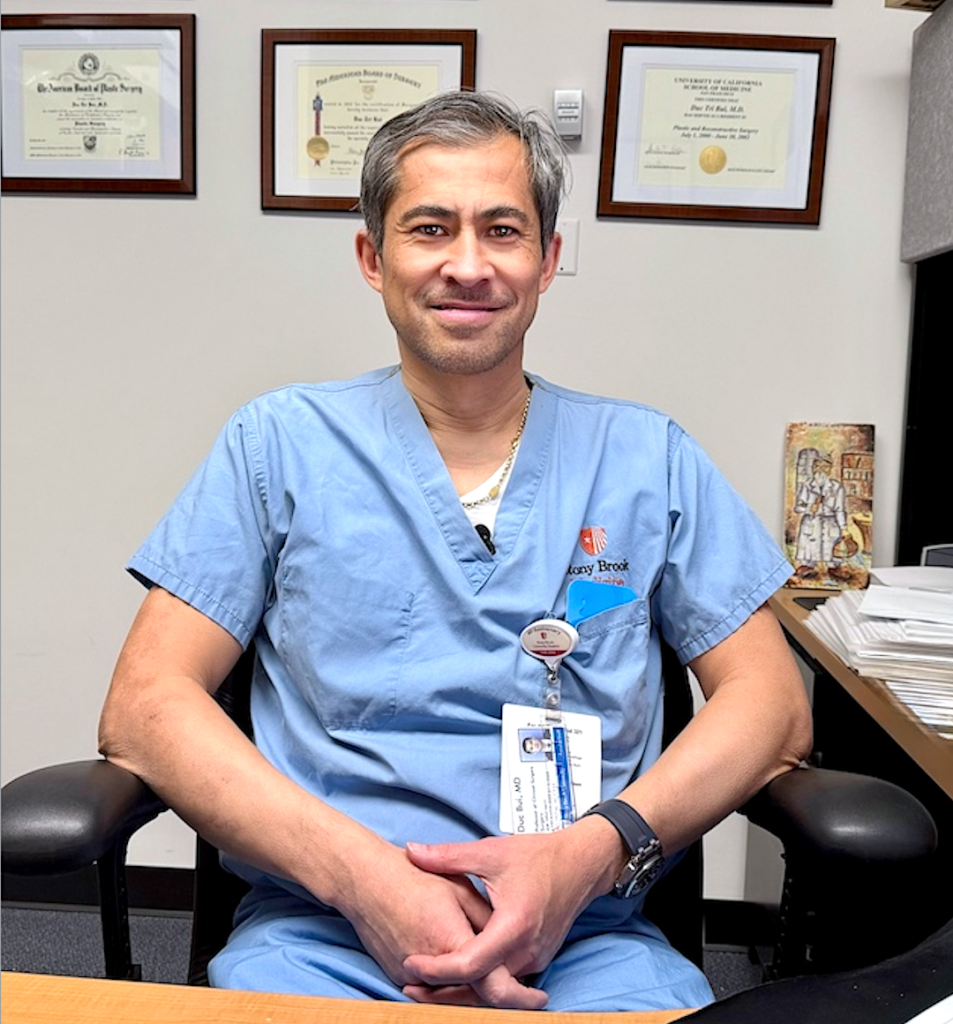
Breast reduction surgery, also known as reduction mammoplasty, is a life-changing procedure for many women. Beyond the aesthetic benefits, it often dramatically improves physical comfort, emotional well-being, and overall quality of life. If you’re considering this procedure, or just curious this guide will walk you through the most important things to know, including insights from Dr. Duc Bui, a leading plastic surgeon at Stony Brook Hospital.

My Story: Why I Chose Breast Reduction

I recently made the decision to have breast reduction surgery and my life has changed for the better. Before my surgery, I experienced constant back pain, difficulty exercising, and trouble finding clothing that fit comfortably. Many women who had the surgery shared with me that their only regret was waiting too long. For me, however, I truly felt that I had my surgery at the right time in my life.

I am incredibly grateful to Dr. Bui for not only his surgical expertise but also his kindness, thoroughness, and support throughout my journey. Thank you, Dr. Bui, for changing my life.

Who Is a Good Candidate for Breast Reduction Surgery?

To better understand who might benefit from this procedure, I asked Dr. Bui:

Dr. Bui:

“A good candidate for Breast Reduction is someone experiencing physical symptoms like back, neck, and shoulder pain, or lifestyle limitations due to the size of their breasts. It’s also common for women to seek reduction for emotional reasons, such as self-consciousness or difficulty finding clothing. Breast reduction isn’t just cosmetic—it can truly enhance daily living and health.”

Common reasons women consider Breast Reduction surgery include:

  • Chronic pain and poor posture
  • Difficulty with physical activity
  • Skin irritation or rashes
  • Emotional distress and low self-esteem

What Should Women Expect During Breast Reduction Recovery?

Recovery is an important part of the process. Dr. Bui explained:

Dr. Bui said most women need at least one to two weeks off work, depending on their job. You’ll experience swelling, some soreness, and fatigue at first. It’s important to avoid heavy lifting and strenuous exercise for about four to six weeks. We guide patients carefully through each stage of healing to ensure the best results.”

Planning ahead for help at home and allowing your body the time it needs to heal is key for a smooth recovery.

Risks and Long-Term Considerations

Breast reduction is very safe, but like any surgery, it comes with considerations. Dr. Bui shared some important insights:

Dr. Bui:

Breastfeeding after breast reduction can be possible, but it may be impacted depending on the surgical method and how much tissue is removed. Weight gain or significant hormonal changes, like menopause can also affect your breast size and shape long-term. We talk through these factors during consultations so women can make fully informed decisions.”

Women should also be aware that while results are long-lasting, aging, gravity, and life changes will naturally influence breast shape over time.

How Does Insurance Work for Breast Reduction?

One of the most common questions women have is whether breast reduction is covered by insurance because this surgery can be very expensive. This was definitely an important question for me. Dr. Bui explained that if the procedure is deemed medically necessary, many insurance plans will cover it. We help patients submit documentation showing the medical need, like chronic pain or rashes. Each insurance company has different requirements, so early verification is important.”

Factors like documented symptoms, medical history, and proof that other treatments have failed often help secure coverage.

I asked Dr. Bui what questions should you ask your Plastic Surgeon

During your consultation, it’s important to feel empowered. Here are smart questions to ask, as suggested by Dr. Bui:

  • Are you board-certified in plastic surgery?
  • How much experience do you have specifically with breast reductions?
  • What surgical techniques do you use, and why?
  • What results can I realistically expect?
  • How do you minimize scarring?
  • What should I prepare for during recovery?
  • What happens if there are complications?

Choosing a surgeon you trust and feel comfortable with makes all the difference.

How Menopause Affects Breast Reduction Decisions

If you’re nearing or going through menopause, you may wonder whether it’s still a good time for surgery.

Dr. Bui:

“Hormonal changes during menopause can cause the breasts to change size or lose firmness. However, many women still benefit greatly from reduction, particularly if they’re experiencing physical discomfort. During consultations, we discuss how future changes might affect long-term results and set appropriate expectations.”

Even after menopause, breast reduction can provide physical relief and improve quality of life.

Final Thoughts

Breast reduction is about much more than just aesthetics, it’s about feeling better physically, emotionally, and mentally. My personal journey, with the incredible support of Dr. Duc Bui and the team at Stony Brook Hospital, reaffirmed that this decision was one of the best I’ve ever made.

If you’re considering breast reduction, know that you’re not alone. Ask questions, gather information, and find a surgeon who listens carefully to your goals. When the time is right, this surgery can truly be life-changing.
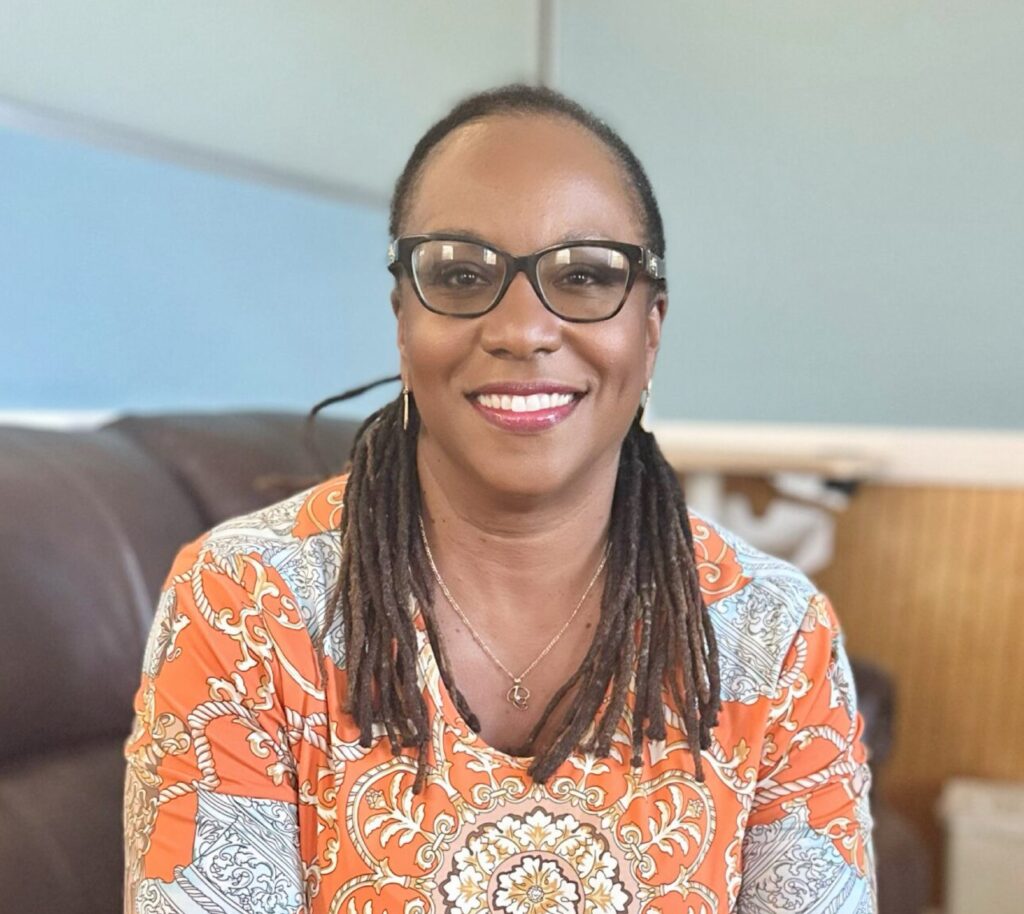
Hamptons Mouthpiece: A Conversation with Dr. Florence Rolston: Women’s Health, Screening, and Building Healthy Habits

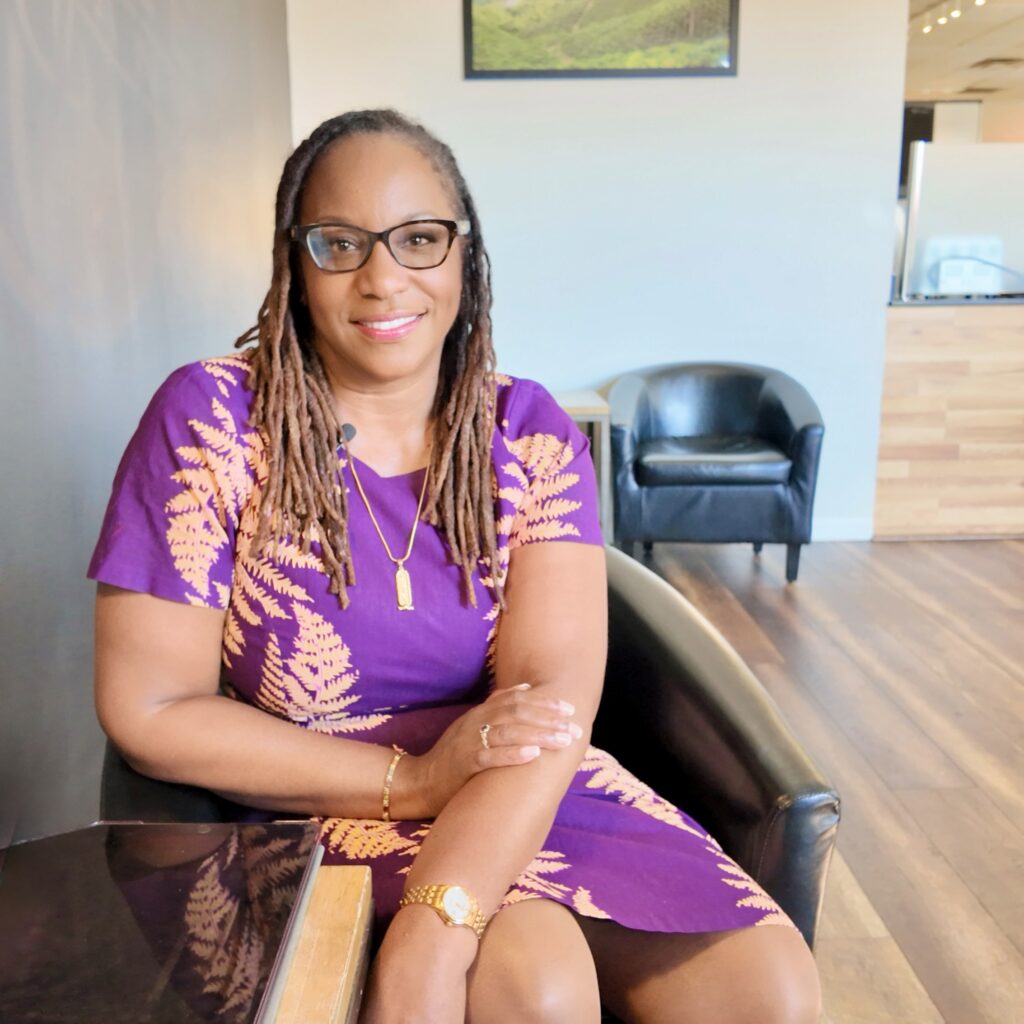
Women’s Health: When it comes to women’s health, having a trusted voice to guide you through the stages of care is essential. I recently sat down with Dr. Florence Rolston, a distinguished physician specializing in women’s health, to discuss some of the key questions many young women and their families have: When should you schedule your first gynecologic visit? Why is the HPV vaccine so important? And what habits should we all be building for better long-term health?

When Should a Woman Have Her First Gynecologic Screening Visit?

Dr. Rolston shared that the first cervical cancer screening with a Pap smear should begin at age 21.

“It’s very unusual to find significant abnormal cervical changes before the age of 21,” Dr. Rolston explained. “That’s why the recommendation is to start screening at 21.”

However, Dr. Rolston emphasized that many young women will see a healthcare provider before then — particularly for screening and prevention of sexually transmitted infections (STIs). For women under 25 who are sexually active, annual STI screening is recommended.

“In terms of general health screening, most patients continue to see their family physician or pediatrician until they transition to adult medicine providers after age 21,” she added.

When is the Right Time to Get the HPV Vaccine, and Why is it Important?

The Human Papillomavirus (HPV) vaccine has revolutionized women’s health by drastically reducing the risk of cervical cancer and other HPV-related diseases. Dr. Rolston stressed the significance of receiving the vaccine before becoming sexually active, ideally starting around ages 11 or 12.

“The HPV vaccine has been incredibly beneficial in reducing cervical cancer rates in the U.S.,” she noted. “Compared to parts of the world where the vaccine isn’t widely available, the difference is dramatic.”

HPV is a common virus with over 100 different strains, but the vaccine targets the strains most commonly linked to cervical cancer and genital warts. Early vaccination provides the best protection.

What Healthy Habits Can We Incorporate Into Our Daily Lives?

Of course, health isn’t just about vaccines and screenings. Dr. Rolston passionately advocates for simple, daily habits that can make a world of difference:

“Health maintenance starts with eating a healthy diet. What you put into your body can have a huge impact on your overall health.”

She recommends focusing on:

Fruits and vegetables

Whole grains

Lean proteins

Limiting processed foods

Staying well-hydrated

Exercise is equally crucial — not only for physical well-being but also for mental health.

“Regular exercise supports physical strength and reduces stress, which in turn helps your immune system,” Dr. Rolston said. “Even just getting outside into nature can lower stress levels significantly.”

Finally, managing stress itself is a key pillar of good health. Whether through mindfulness, hobbies, spending time with loved ones, or being active outdoors, keeping stress under control benefits both the mind and the body.

Final Thoughts

Dr. Rolston’s advice is clear: Prevention, early screening, and building strong daily habits are the foundation for a healthier life. Whether you’re scheduling your first gynecologic visit, getting vaccinated, or choosing better foods and activities, these steps are vital investments in your future well-being.

If you have questions about women’s health screenings or vaccinations, reach out to a qualified healthcare provider like those at Stony Brook Medicine, where Dr. Rolston and her colleagues are dedicated to supporting your journey to better health.

“I’m interested in women’s health because I’m a woman. I’d be a darn fool not to be on my own side,” Maya Angelou *

Women’s health is not one size fits all. It spans our physical, mental, and reproductive well-being across every stage of life. From menstrual health and pregnancy to menopause and aging, women experience health changes that are often misunderstood, overlooked, or minimized. Conditions like osteoporosis, heart disease, and breast cancer impact women differently than men, yet too many women still lack access to clear information, preventive care, and early screenings.

Real talk. Real people. These conversations matter because women are often busy taking care of everyone else while putting their own health last. Preventive care, regular screenings, and honest education about nutrition, exercise, and mental health are essential to living longer, healthier lives. When women understand their bodies and have access to equitable healthcare, the outcome is better health and a better quality of life.

I recently had the pleasure of sitting down with Dr. Florence Rolston, MD, to talk about a topic we are both deeply passionate about, women’s health. This conversation kicks off Part One of a year-long series dedicated to real, informative, and approachable discussions about the health issues that affect women every day.

In the first installment, we focus on mammogram screenings. We discuss what you should know about mammograms, who should get screened, when you should begin screening, and why early detection is so important. These are the questions women ask quietly or avoid altogether, and they deserve clear, straightforward answers.

This series is about education without fear and information without judgment. Because real women deserve real conversations about their health.

Read Part One here:
https://hamptonsmouthpiece.com/young-women-can-and-do-get-breast-cancer

Part three: https://youtu.be/eY0opd-3wAo?si=lfjcqH12AYhC9tnY

Women’s Health Hamptons Gala kicks off Run 10 Feed 10….Party under the Stars Gala to Benefit FEED FOUNDATION

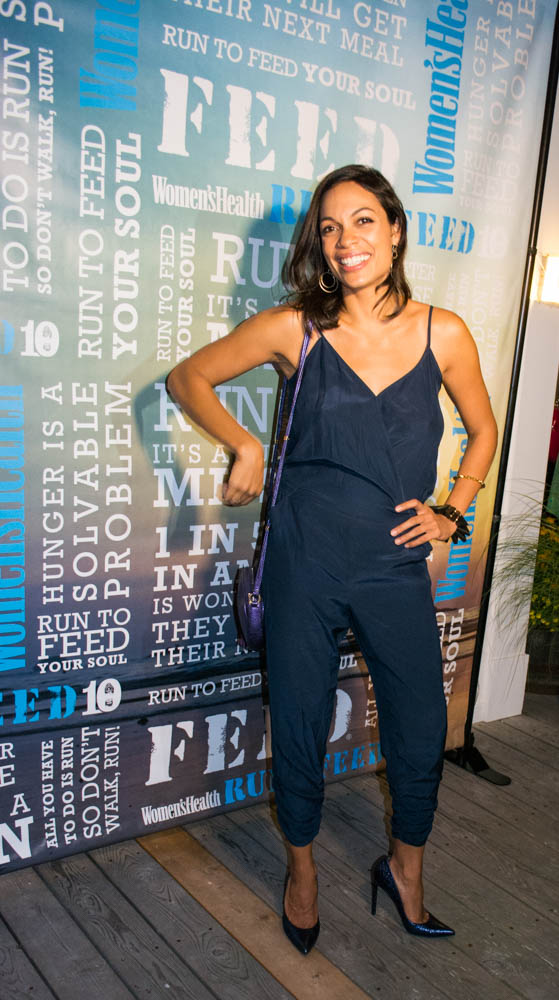
Rosario Dawson
Rosario Dawson

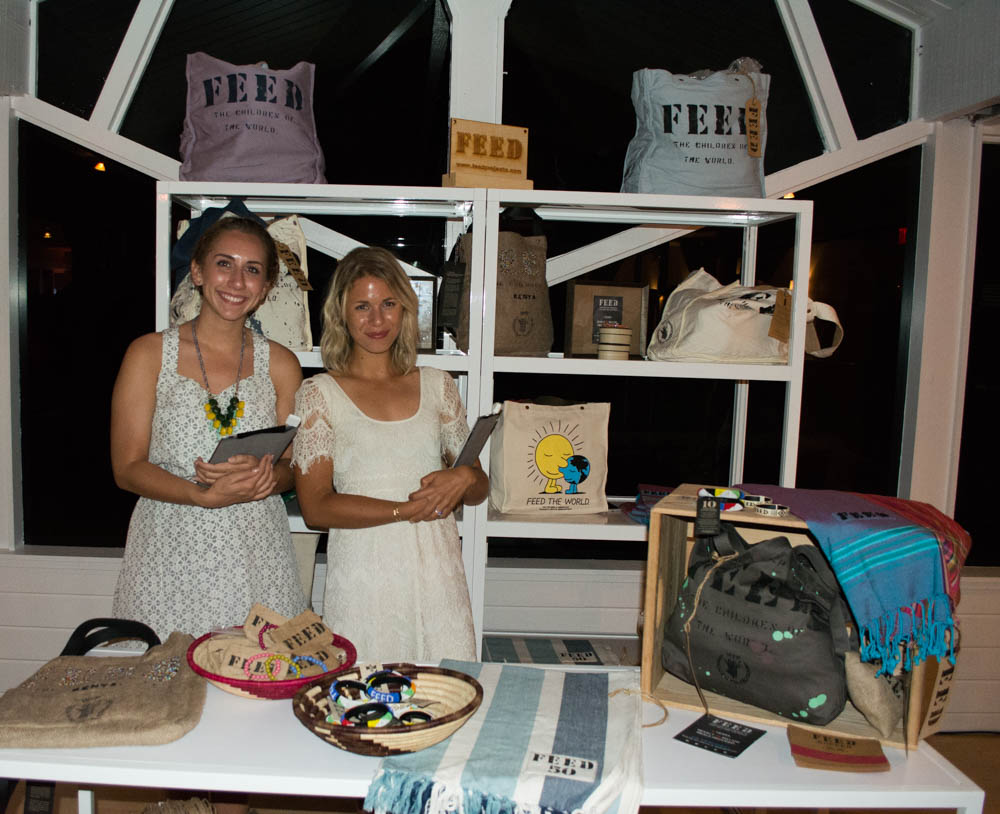
As Many of you know the 2015 theme of Hamptons Mouthpiece is Journey to fitness...so when I was invited to attend Women’s Health Magazine annual Hamptons event I was excited to attend. Unfortunately I was unable to partake in the earlier activities in Montauk on Saturday, August 1st, but I was able to attend the evening event Party under the Stars in Bridgehampton a benefit for a wonderful organization FEED Foundation. The FEED Foundation is the non-profit arm of FEED that supports programs and organizations that are effectively working to fight hunger and eliminate malnutrition. It has since grown to encompass hunger relief efforts both stateside and abroad, as well as provide aid during natural disasters and humanitarian crises worldwide. As of January 2015, FEED has provided over 87 million meals globally. www.run10feed10.com

THE DAYTIME WELLNESS EVENT: Took place at the “Well-thy House” with Women’s Health and Domino Magazine–a co-branded event hosted at Women’s Health VP/Publisher Laura Frerer-Schmidt’s newly constructed Montauk home. The event featured top experts leading home and garden workshops, workouts, cooking demos, and nutrition consultations. So if you want to take part in a healthier new you, why not look at some exercise gear like workout leggings, you’ll be primed and ready to get fit. The lunch at the event was in support of Women’s Health’s partner, the FEED Foundation and the charity event series RUN10 FEED10. womens health-47
Joining Women’s Health and Domino at the Well-thy House included:
• Mandy Ingber, celebrity yoga instructor: Yoga class
• Heidi Powell, celebrity trainer and star of ABC’s Extreme Weightloss: Workout
• Jeff Dawson: Garden Manager at Golden Door; crating a backyard herb garden
• Greg Frey Jr.: Executive Chef at Golden Door; garden-to-table lunch and demo
• Keri Glassman, registered dietitian: The Cleanse
• GLAMSQUAD Hair & Makeup
• Owl’s Brew Tea mocktails and cocktails

womens health-31The annual “Party Under the Stars” event was held at the Bridgehampton Surf & Tennis club in the evening. Always a fun event,good energy,great drinks, beautiful location, great weather, amazing appetizers and fantastic music.

Taryn Manning
Taryn Manning
The star-studded event featured music by guest DJ Taryn Manning from the Netflix Series “Orange is the New Black” a live reggae band that was terrific a silent auction to benefit the FEED foundation, beach bonfire and cocktails & Hors d’Oeuvres by Robbins Wolffe.womens health-37
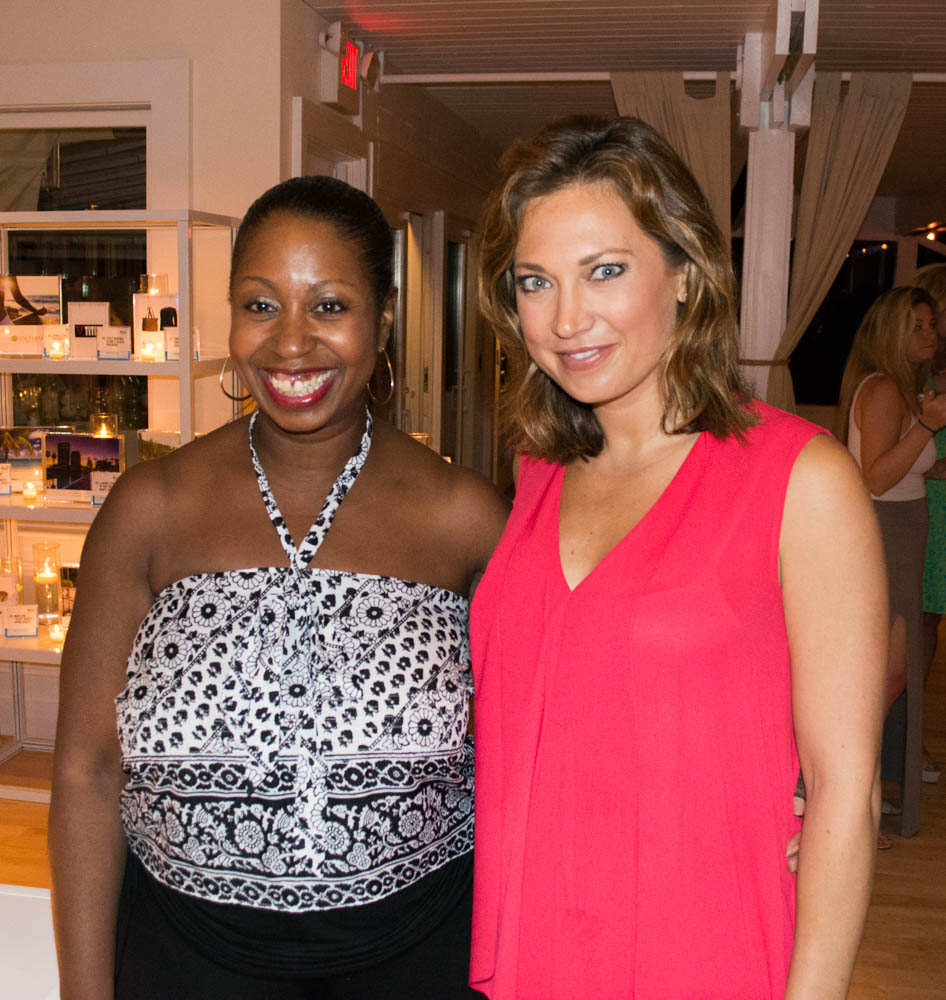
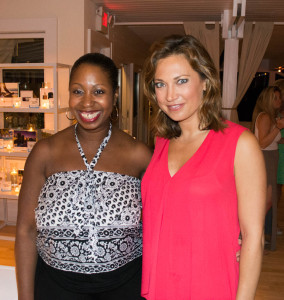
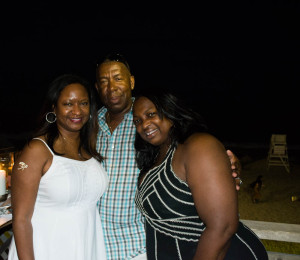
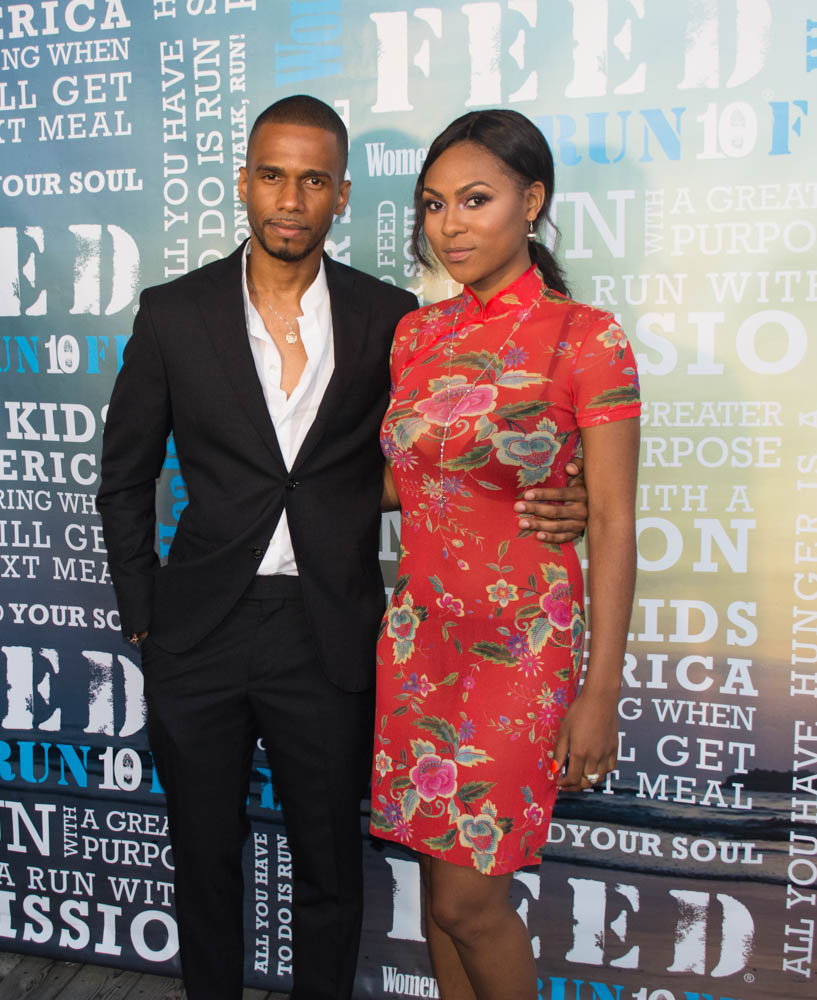
I spotted Rosario Dawson, Taryn Manning and Laura Prep from Orange is the New Black, Anne Burrell from Worst Cook in America, Ginger Zee from GMA, TV personality Andi Dorfman, Adrienne Bailon, Molly Sims,Tashiana Washington & Eric West.
Tashiana Washington & Eric West
Anne Burrell-Celebrity Chef
Ginger Zee, GMA
Ginger Zee, GMA

Many people from NYC came out to the Hamptons for the day with transportation provided by Hampton Jitney courtesy of Women’s Health Magazine. This is one of my favorite Hamptons events because it is a mixture of real women, not your typical Hamptons event.womens health-53

womens health-49

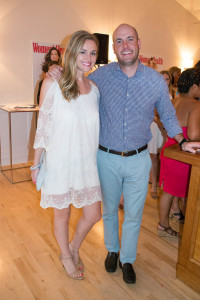
 Lindsay Brown and Bryan Quinlan.
Lindsay Brown and Bryan Quinlan.

womens health-36

For more information on how you can get involved with RUN10FEED10
womens health-57

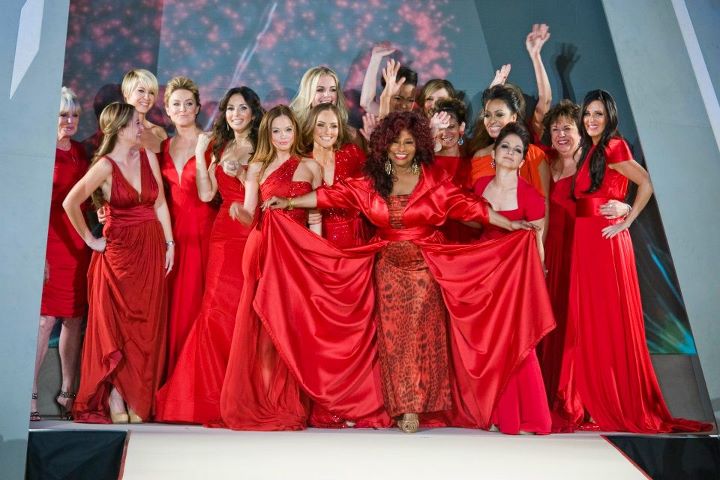
Go Red for February..National Heart Awareness Month

February is National Heart Awareness month and the color is RED…What does that mean GO RED? Although Red is the color of Valentine’s Day it is the celebration on women who have battled Heart disease, it is the color for bringing awareness to Heart Disease the #1 Killer among Women in the Nation. It is a very important cause for me because my mother has heart disease and it was very scary and continue to be scary. Heart disease is the leading cause of death and a major cause of disability in the United States. Nearly 600,000 Americans die of heart disease annually. With heart attacks being so regular, we should all find the time to become trained in CPR. Visiting Mississauga Coast2Coast might prove to be life-saving. This represents almost 25% of all deaths in the United States. To raise awareness of this disease, February has been recognized as “American Heart Month” since 1963.

go redThe U.S. Preventive Services Task Force (USPSTF) strongly recommends cholesterol screening for men aged 35 and older. For people who have a family history of early heart disease the USPSTF recommends cholesterol screening beginning at age 20 for both women and men. Health care providers can help patients evaluate their family histories to determine a screening approach that is best for them.

  • Heart Disease is the #1 Killer for women in the Nation.
  • 42 million women in the US have Heart disease
  • #1 Killer among African-American women
  • #1 killer among all Americans both men & women
  • 1 in 26 women die from Breast Cancer
  • 1 in 3 will die from heart disease

My mother’s life was saved twice once in 2005 and again in 2013 because she recognized the signs and went to see her doctor…What are some of the signs to recognize:

  1. Extreme Fatigue
  2. Shortness of Breath
  3. Light-headed
  4. Nausea
  5. Intense heart palpitations

If you are administering these symptoms seeks medical attention, better to be safe than sorry…This my friends is not just a disease that hits older white men. It can attack anyone at anytime at any age. There are some preventative actions you can do as well:

  1. Loose Weight
  2. Develop a Healthy Plan
  3. Exercise
  4. Snack through-out the day with healthy snacks
  5. drink plenty of Water
  6. Decrease sugar and Salt intake (Star Jones recommends Stevia, a natural sugar substitute)
  7. organize a 30 minute walk a day…Make it fun walk with friends
  8. EAT LESS & MOVE MORE

Other things could even be practicing stress relief techniques, which could even mean traveling to reduce the risk of heart attacks, according to websites like https://www.casaderosie.com/why-we-should-travel-more-in-2021/. Take Control of your life Hamptons MouthPiece Readers….YOU CAN DO IT!

Go Red for February..National Heart Awareness Month..for more information visit American Heart Association, http://www.heart.org/HEARTORG/

Easy ways to help fight heart disease…join National Wear Red Day! It’s easy. On Friday, February 7th, wear red and collect $5 donations from your friends/colleagues! They get a red dress pin and you can all feel good about supporting the fight against heart disease & stroke! I can sign you up to be your organization’s coordinator. Just email my friend Jessica.DiMeo@heart.org.

795,000 Americans face stroke each year, and the number of Americans living with stroke is expected to grow to 3.4 million by 2030. Despite many medical advances, there is still so much work to be done. That’s why we need Congress to make stroke research funding a priority this year. Our lives truly depend on it. http://spr.ly/6180xIL4

American Heart Association Quick & Easy Cookbook, 2nd Edition: More Than 200 Healthy Recipes You Can Make in Minutes