You know what’s worse than a cold in January? A cold in August. Yep — I kicked off the first week of the month not with beach days and rosé, but with tissues, soup, and a cough that could have starred in its own bronchitis commercial.
Everyone said, “Go to the doctor!” But I decided to let my body do its thing. My wellness philosophy is simple: if it’s not getting worse and I can still shuffle to the kitchen for snacks (or in this case, coconut water), I’m giving my immune system a chance to shine.
The symptoms? Oh, she came in hot — stuffy nose, body aches, zero appetite, chest pain that made me feel like I’d been in a prize fight, pounding headache, and the plot twist… loose stool. (We’ll get back to that in a minute.)
Of course, I took a COVID test — negative. But honestly, do those even still work? Asking for a friend.
My “Treatment Plan”
Rested like it was my full-time job
Sipped chicken soup like it was fine dining
Downed more water than a marathon runner
Chased it with coconut water for electrolytes
Slept… a lot
The cough was the real villain here — deep, chest-rattling, and relentless. Mucus set up shop in my lungs like it paid rent, and I was convinced I’d never breathe freely again. But then… Day 9 — gone. Poof. No more chest pain, no more uncontrollable coughing, and I was officially back in the land of the living. I still have the occasional cough that might hang around for another week, but I’m definitely feeling better. Now I’m wondering if oregano pills could help keep my immune system strong. I’ve heard they’re packed with antioxidants and offer immune support, but like most supplements, they can have side effects. So here’s my question: should I start taking oregano pills—and if so, how often?
Oh, and That Robitussin Revelation
Here’s where things got weird. Robitussin, my old cough-fighting buddy, suddenly turned on me. Took some… and boom — diarrhea. Brand new side effect. Never happened before. My body was like, “We’re not doing that anymore.”
So, here’s the moral: listen to your body. Let it fight, support it, and don’t ignore the signs when something’s off — even if that sign is a suspicious relationship with cough syrup.
Because summer colds happen, but so does recovery. And when it’s over, that first deep, clear breath feels better than any August beach day.
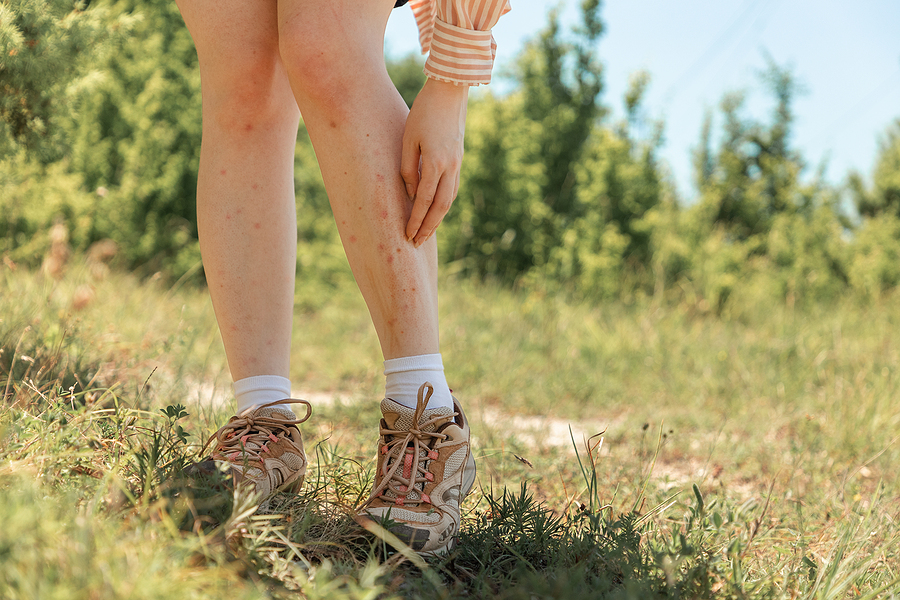
A woman scratches her legs with redness, irritation and pimples from insect bites. Close-up. The concept of protection against mosquitoes, ticks and fleas.
Is Lyme Disease only a summer thing? The answer is No, Lyme disease is not just a summer issue, though the risk is highest in late spring and summer. The black-legged tick (deer tick), which spreads Lyme disease, can be active whenever temperatures are above freezing. In warmer climates, ticks can be a risk year-round. Even in colder areas, mild winter days can bring out ticks, so it’s important to take precautions whenever you’re in tick-prone areas. Read up on an article I wrote back in 2012 when my daughter starting experience symptoms in December and was not diagnosed until March. Lyme Disease, an Accidental Diagnosis
Lyme Disease: Causes, Symptoms, Prevention, and Treatment
3d rendered close up of a tick on the skin
What Is Lyme Disease?
Lyme disease is a bacterial infection caused by Borrelia burgdorferi and, in rare cases, Borrelia mayonii. It is transmitted to humans through the bite of infected black-legged ticks (also called deer ticks). If left untreated, Lyme disease can lead to severe complications affecting the joints, heart, and nervous system.
How Is Lyme Disease Transmitted?
Lyme disease spreads through the bite of an infected tick. Ticks become infected when they feed on infected animals, such as mice or deer. Humans typically get bitten in wooded, grassy, or brushy areas where ticks thrive.
Ticks are most active from late spring through early fall, but in some regions, they can remain active year-round, especially in mild winters.
Symptoms of Lyme Disease
Lyme disease progresses in stages, and symptoms vary depending on how long the infection has been in the body.
Early Stage Symptoms (3–30 Days After a Tick Bite) • Bullseye rash (erythema migrans) – a red, expanding rash that may resemble a target • Fever and chills • Fatigue • Headache • Muscle and joint aches • Swollen lymph nodes
Later Stage Symptoms (Weeks to Months After a Tick Bite) • Severe joint pain and swelling (Lyme arthritis) • Neurological issues, such as facial paralysis (Bell’s palsy), numbness, or tingling • Heart palpitations (Lyme carditis) • Dizziness or shortness of breath • Inflammation of the brain or spinal cord (in rare cases)
Diagnosis and Treatment
Doctors diagnose Lyme disease based on symptoms, exposure risk, and sometimes blood tests. Early-stage Lyme disease is typically treated with a short course of antibiotics, such as doxycycline, amoxicillin, or cefuroxime. Most patients recover fully if treated early.
If Lyme disease is left untreated, it can lead to chronic symptoms that require extended antibiotic treatment.
Prevention Tips
Since Lyme disease is caused by tick bites, prevention focuses on reducing tick exposure: • Avoid tick-prone areas: Stick to trails and avoid tall grass or brush. • Wear protective clothing: Long sleeves, long pants, and light-colored clothing can help spot ticks. • Use insect repellent: Products containing DEET or permethrin can deter ticks. • Perform tick checks: After spending time outdoors, check your body, clothes, and pets for ticks. • Shower and wash clothes: Taking a shower and putting clothes in the dryer on high heat can help remove or kill ticks.
What to Do If You Find a Tick
If you find a tick attached to your skin: 1. Use fine-tipped tweezers to grasp the tick as close to the skin as possible. 2. Pull upward with steady, even pressure—avoid twisting or jerking. 3. Clean the bite area with alcohol or soap and water. 4. Dispose of the tick properly by flushing it or sealing it in a bag. 5. Monitor for symptoms of Lyme disease and contact a doctor if needed.
Conclusion
Lyme disease is a serious but preventable illness. By taking precautions in tick-prone areas and recognizing early symptoms, individuals can reduce their risk of infection and complications. If you suspect a tick bite and develop symptoms, seek medical attention promptly.
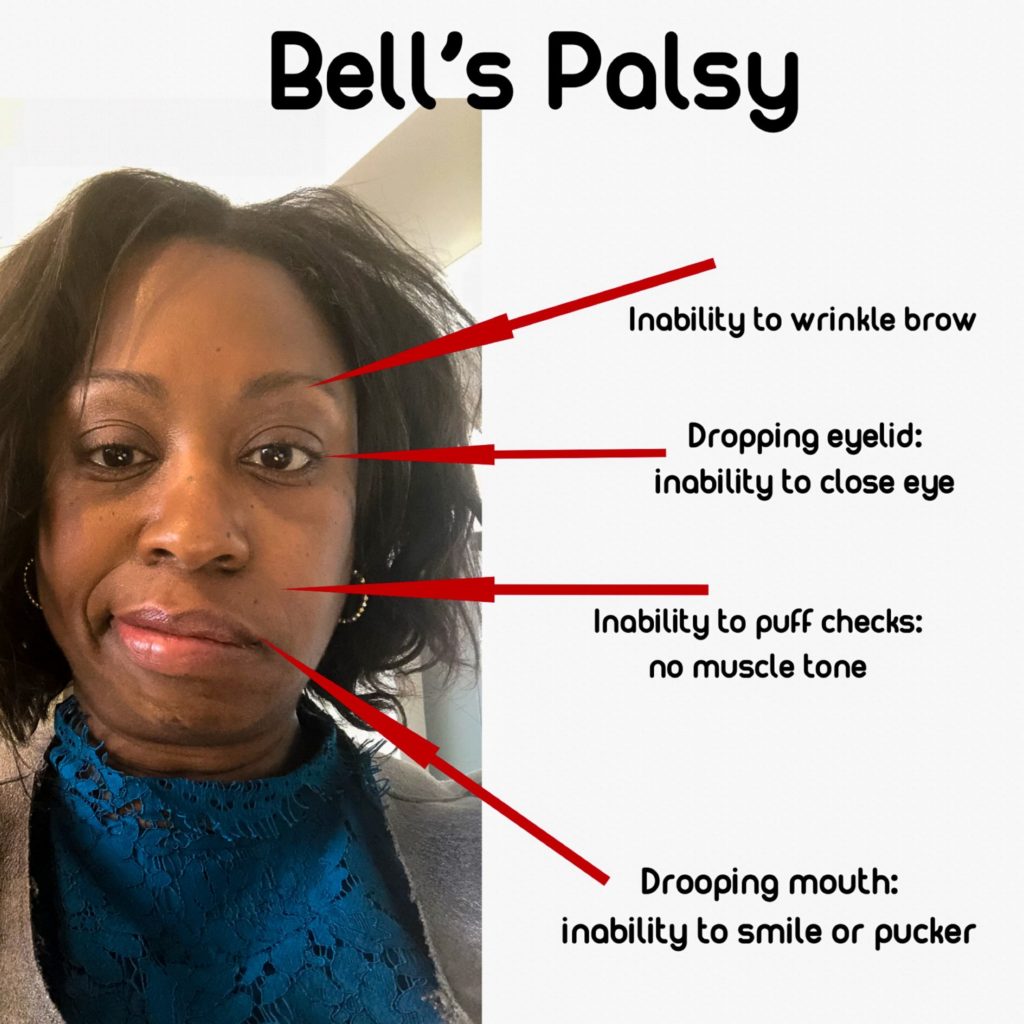
Surviving Bell’s Palsy, Wellness: I am feeling so very blessed and I wanted to share my story. Two years ago I had the scare of my life and I am so very grateful to be a survivor. April 20th, 2018, I woke up and something looked wrong with my face, my left eye was tearing and I had no idea what was happening but my husband said let’s go see the doctor. It was my oldest daughter’s last day living at home and her last day at her job in East Hampton, she was moving on with her life and would be starting a new job in NYC. I said let’s go to SagTown in Sag Harbor to get some coffee. Kurt my husband had taken the day off to go to the doctor with me because I was nervous, we ordered our coffee then in a matter of seconds things were progressively moving quickly. I went to the bathroom to look at my eye and when I looked up my face had drooped more, I was immediately nervous. I told Kurt I am very concerned, so he said I will drop Dani off at work and you go pick up the eyedrops, he said we would leave my car in town and he would drive me to my doctor’s office. I went to pick up the drops and came back to my car to put the drops in my eye and wait for Kurt to come back. Kurt called me to make sure I was ok and all of sudden I could not speak, it was terrifying, I honestly did not know what was happening. I heard a tap on the window of my car, I rolled down the window and there was an officer asking me if I was ok. I was at this time unable to speak and became very agitated because I did not know that Kurt had sent them to find me. The officer proceeded to ask me questions and because I was unable to find my voice he became concerned, took my car keys, and called for an ambulance. As you can probably imagine he thought I was having a stroke and there was a small window to rush me to the hospital to minimize the symptoms if this were a stroke. I was very scared, I had never heard of Bell’s Palsy but I did not think I was having a stroke because my parents and grandmother had all had strokes within the last 3 years and I knew the symptoms.
Once I arrived at Southampton Hospital the staff was very attentive and proceeded to do all the necessary tests to rule out a stroke, once they ruled out that I was not having a stroke they then proceeded to assume I was having some mental issues because they could not understand why I was unable to speak. They kept me in the hospital overnight for observation and in the morning a very nice doctor came in and diagnosed me with Bell’s Palsy. He explained what was happening and prescribed anti-inflammatory medication prednisone to help reduce the swelling of the facial nerve. I was released from the hospital later that morning, once I got home I was completely exhausted and just went to sleep for the rest of the day.
What is Bell’s Palsy?
What is Bell’s Palsy: Google definition “Bell’s palsy is a condition in which the muscles on one side of your face become weak or paralyzed. It affects only one side of the face at a time, causing it to droop or become stiff on that side. It’s caused by some kind of trauma to the seventh cranial nerve. This is also called the “facial nerve.”
The recovery was hard, but I was so grateful that it was not a stroke, I was able to care for myself, go to the bathroom on my own, I believe my positive energy is what helped with my recovery. Many say that one gets Bell’s Palsy from Lyme Disease, but for me, I think my Bell’s Palsy was activated by stress. Prior to my illness, I suffered the immeasurable loss of both my mother and grandmother, information that was gut-wrenching was shared with me and it took months to absorb and heal from it. I found myself in the position of being the Matriarch of the family and I felt I had no time to break-down I needed to show strength and so I think all of that bottled up stress needed to be released.
During my recovery it was hard to do many things, eating, drinking, swallowing, talking, smiling, closing my eye, sleeping. My left eye did not close, so I was very tired because when your eye does not blink it can be very exhausting. It was challenging driving, watching television, or being on the computer for an extended period of time. I had to change my daily way of doing things. I went back to work after being home for a couple of days, it was a challenge because I felt all eyes starring at me, but after watching my parents and my grandmother suffered a stroke, I felt like God had spared my life and I did not focus on anyone staring at me. I focused on recovery. After the 1st day, everyone stopped starring it was back to normal. I continued to stay focused and positive on my recovery over the next month. I shut down my computer, television, and phone at 9 pm every night. I researched what I should eat, what I should not eat, and what I needed to do to recover in 4-8 weeks. I avoided foods that contained, Arginine-Rich Foods, Omega-6 Foods, and Trans Fats. This website helped me https://www.livestrong.com/article/352853-foods-to-avoid-when-you-have-bells-palsy/.
I cannot tell you if that helped, but for me, I was going to take all advice because I was determined to get better. I slept with an eyepatch, it was very helpful, I drank from a straw because drinking from a cup was very hard, 1/2 of my face was paralyzed, I ate soft food because swallowing was a challenge. As my face began to slowly recover it was painful and sleeping at night was a challenge, sometimes I would need to take an Advil to get some sleep. Talking was definitely the hardest part, if I spoke slow I was ok but if I got agitated with someone who I felt could not understand me, my speech would get worst. At that moment I felt the agony of a stroke victim, it humbled me and I would not allow myself to feel sorry for myself. I began to see the progression in four weeks and someone who just met me for the first time would never know a month earlier I had partial facial paralysis; it was able to eat real food, swallow, talk, partial smile. In 2 months I was able to smile, it took a bit longer for my left eye to close completely, washing my face with soap was always a real challenge.
It has been 2 years
It has been 2 years and I still have some residual of my Bell’s Palsy, my left eye twitches and I never feel like it is fully closed, the cemetery of my face is slightly off, but only I notice it and my smile is slightly crooked, but I’ll take it because some never recover. I was one of the lucky survivors and I never stop thanking God for blessing my life. I share my story because I have discovered this happens to many people of all ages all the time.
I wanted someone who might be going through this condition to know that there is hope and you can recover. Be positive, be patient, and be grateful. Don’t let your physical appearance define who you are, focus on recovering and not your vanity. I had an opportunity to interview a doctor who specializes in treating patients who don’t organically recover from Bell’s Palsy, in my part two of this series Recovering from Bell’s Palsy I will share that interview.
Hamptons Wellness: The Benefits of Ginger: Ginger is widely used throughout the world for treating loss of appetite, nausea and vomiting after surgery, nausea resulting from cancer treatment, flatulence,stomach upset, colic, morning sickness and motion sickness.
Some people find ginger helps them with the symptoms of upper respiratory tract infection, bronchitis, cough, menstrual cramps, arthritis and muscle pain.
In some parts of the world, ginger juice is applied to the skin to treat burns
GINGER: Nausea, upset stomach…When I was pregnant with both of my daughters I have really bad morning sickness and I was nauseous all the time, literally until they were born. This is why they are 6 1/2 years apart and why I only have 2.
Some say drink Ginerale & Saltine Crackers but the sugar from the gingerale made me feel sicker…Ginger Tea is the Best..Treat yourself to a cup of piping hot ginger tea, a healthy drink that’s great for digestion. Why go out and buy old tea bags when you can easily make your own homemade ginger tea at home using fresh ginger? Here’s how to make the tastiest ginger tea you’ve ever had!
Home-made Ginger Tea
Recipe Type: Tea
Cuisine: Liquid
Author: Vanessa Leggard
Prep time:
Cook time:
Total time:
Home-made ginger Tea…piping hot ginger tea, a healthy drink that’s great for digestion
Ingredients
4-6 thin slices raw ginger
1 1/2 – 2 cups water
juice from 1/2 lime, or to taste
1-2 tbsp honey or agave nectar, or to taste
Instructions
Peel the ginger and slice thinly to maximize the surface area. This will help you make a very flavorful ginger tea.
Boil the ginger in water for at least 10 minutes. For a stronger and tangier tea, allow to boil for 20 minutes or more, and use more slices of ginger.
Remove from heat and add lime juice and honey (or agave nectar) to taste.
3.2.1255
9 Terrific Benefits of Ginger
Eat fresh ginger just before lunch to stoke a dull appetite and fire up the digestive juices.
Ginger improves the absorption and assimilation of essential nutrients in the body.
Ginger clears the ‘microcirculatory channels’ of the body, including the pesky sinuses that tend to flare up from time to time.
Feeling airsick or nauseous? Chew on ginger, preferably tossed in a little honey.
Ginger helps reduce flatulence!
Ginger helps with Tummy moaning and groaning under cramps?
Ginger, with its anti-inflammatory properties-can bring relief. Float some ginger essential oil into your bath to help aching muscles and joints. You can combine it with CBD soap from websites like https://missionfarmscbd.com/cbd-soap/ to help with the inflammatory pain.
Chewing ginger post-operation can help overcome nausea.
Stir up some ginger tea to get rid of throat and nose congestion. And when there’s a nip in the air, the warming benefits of this tasty tea are even greater
Hamptons Wellness: Drink more water: it’s the best thing you can do for your health!
Do you want to have more energy, clearer skin and fewer colds? Drink more water! Our bodies are 60% water. We are losing fluids constantly through sweat and urine. We need to continuously replenish the lost fluids in order for our organs to be working properly. Are you always tired? Is it hard to focus? You might be dehydrated: our brain is mostly water! You could just drink water, but if you are at the point of dehydration then you may need something else, such as the electrolyte formula from Magnak. This is because the symptoms of dehydration are experienced due to a loss of both water and electrolytes, as when you lose water you also lose electrolytes. Also, if possible, try and drink hydrogen water. Hydrogen water is great for the body which is why so many people drink it! If you don’t know much about it, you can get more information here. Water is so important for a healthy body and there are lots of reasons why.
Just from the top of my head, the benefits of drinking enough water are:
It increases energy and relieves fatigue
It helps you lose weight
It flushes out toxins and reduces the risk of kidney stones and urinary tract infections
It moisturizes your skin and improves your complexion
It boosts immune system, helps prevent headaches and leg cramps
It helps you perform better in sports, build more muscle and prevent injury
Enough? Because I could go on! But I think that I convinced you…Drink more water: it’s the best thing you can do for your health!
Now, how much water do you need to drink to be adequately hydrated? I am sure you heard about 8X8 rule – 8 8-ounce glasses per day. Lately, I have been seeing this rule: divide your weight in pounds by 2 and drink that many ounces. If you weigh 140 lb, you should drink 70 oz of water per day. If you hate keeping track of ounces, just drink water every hour on the hour. Program your phone if you have to!
If drinking plain water is hard for you – and it is for some people – try making flavored homemade “Vitamin Water”. Alternatively, you could make use of a product like the one reviewed at https://waterfilterway.com/aquasana-reviews/ in order to improve the taste of your water. Here is a recipe for “Vitamin Water”:
take a nice large glass jar, add some sliced fruit (lemon, lime, orange, strawberries, watermelon etc in any combination)
some herbs (I like mint and basil) and even vegetables (cucumber is delicious).
Fill it with water, let steep for an hour and enjoy!
It is gorgeous and delicious. Another trick is to drink it through a straw – it involves different muscles and water bypasses the tongue this way; some people find it easier.
Drinking water is the easiest, cheapest and surest way to dramatically improve your health. I’ll drink to that!