Category

Hamptons Happenings

Category
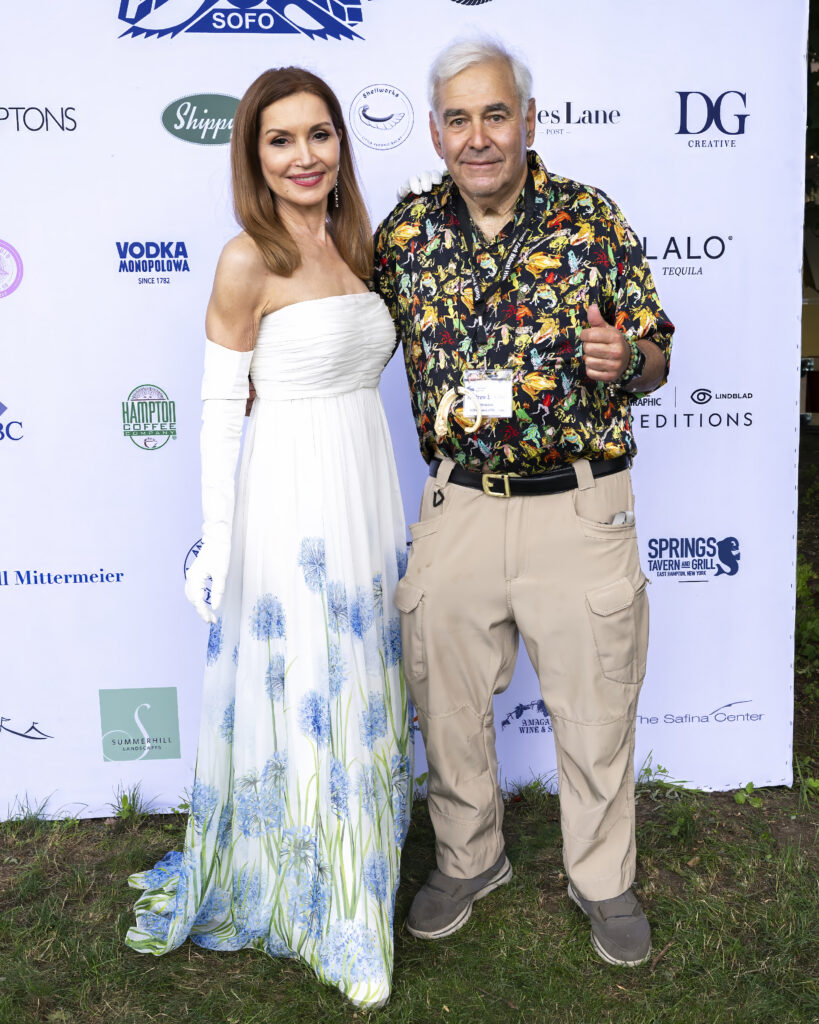
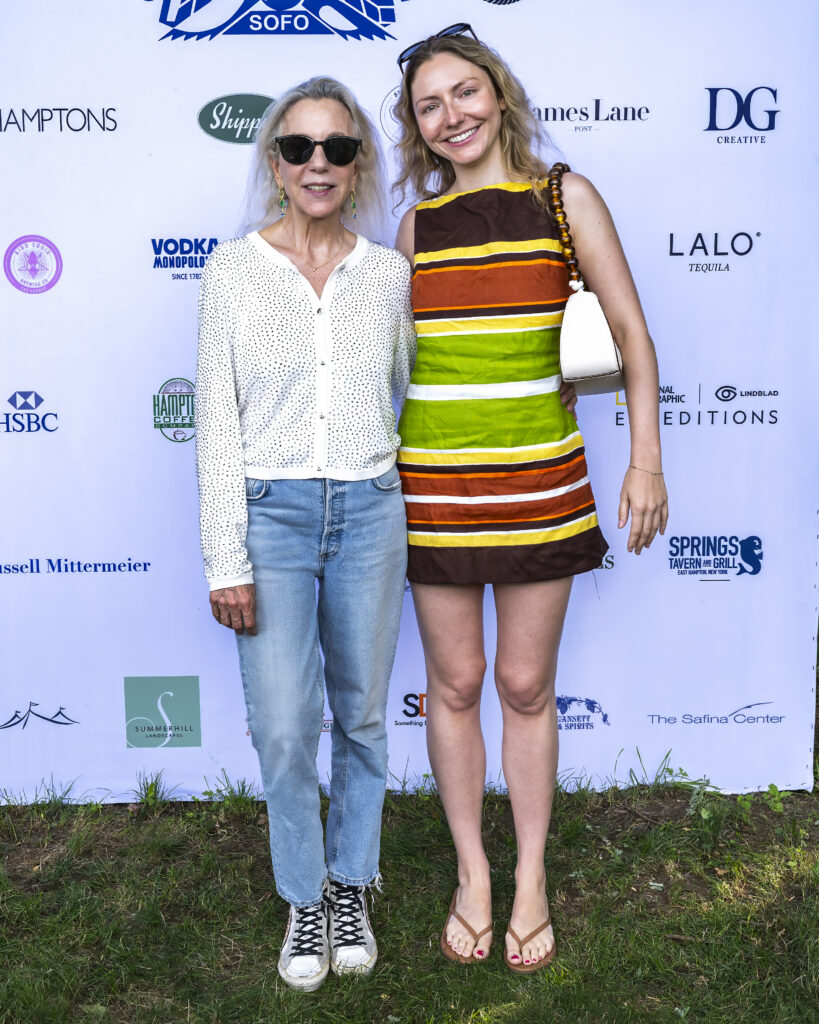
Jean Shafiroff, Andy Sabin, photo Kurt, Leggard

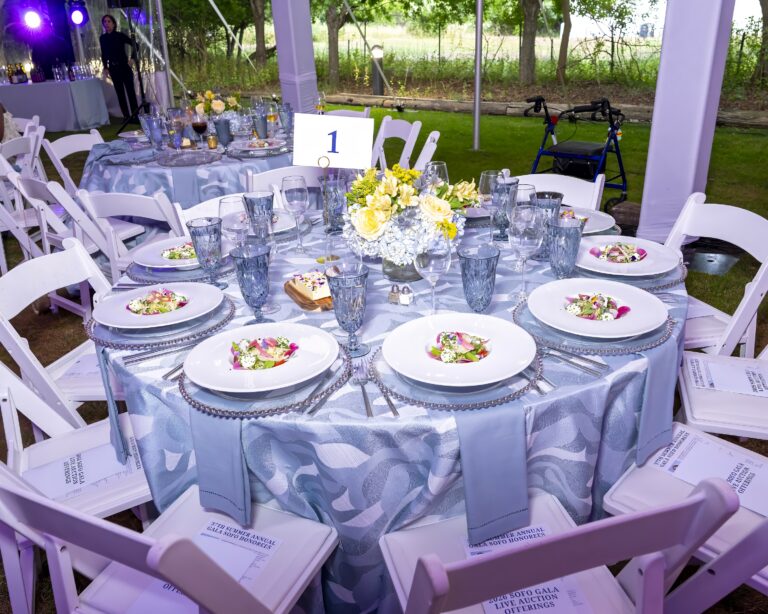
Bridgehampton, NY: SOFO’s 37th Annual Summer Gala Some summer evenings remind you exactly why people fall in love with the East End; Saturday night, July 11th 2026 at the South Fork Natural History Museum was one of them.

Golden Pear Café stole my heart with an incredibly rich lobster mac and cheese that disappeared almost as quickly as it hit the serving tray. Page served tender duck on buttery croissants that practically melted in your mouth. Sen delivered beautifully prepared sushi that looked almost too good to eat, while LDV at The Maidstone impressed with a fresh, perfectly balanced tuna tartare.

Then there was Lunch. Their lobster rolls were overflowing with sweet lobster meat. If you’ve followed me long enough, you already know I’m a lobster purist. Personally, I could have done without the celery. The lobster deserved to be the star of every bite.

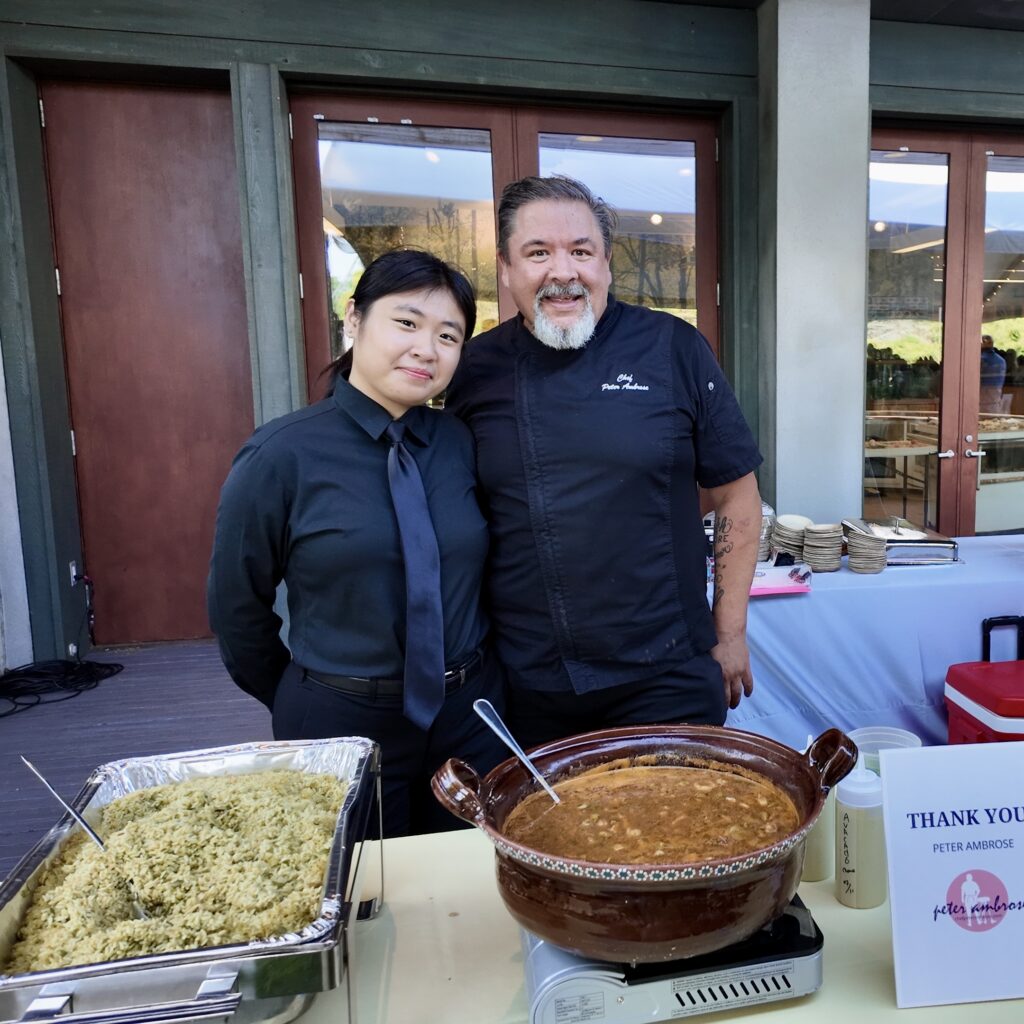
One surprise of the evening came from Events by Peter Ambrose. His seafood stew was comforting, flavorful, and one of those dishes that had guests asking, “Who made this?”

Events by Peter Ambros, Photo Vanessa Leggard

As cocktails flowed courtesy of Wölffer Estate Vineyard, Kidd Squid Brewing Company, Channing Daughters Winery, LALO Tequila, Hampton Coffee Company, Amagansett Wines & Spirits, and other local beverage partners, guests wandered through the museum grounds, catching up with old friends and making new connections.

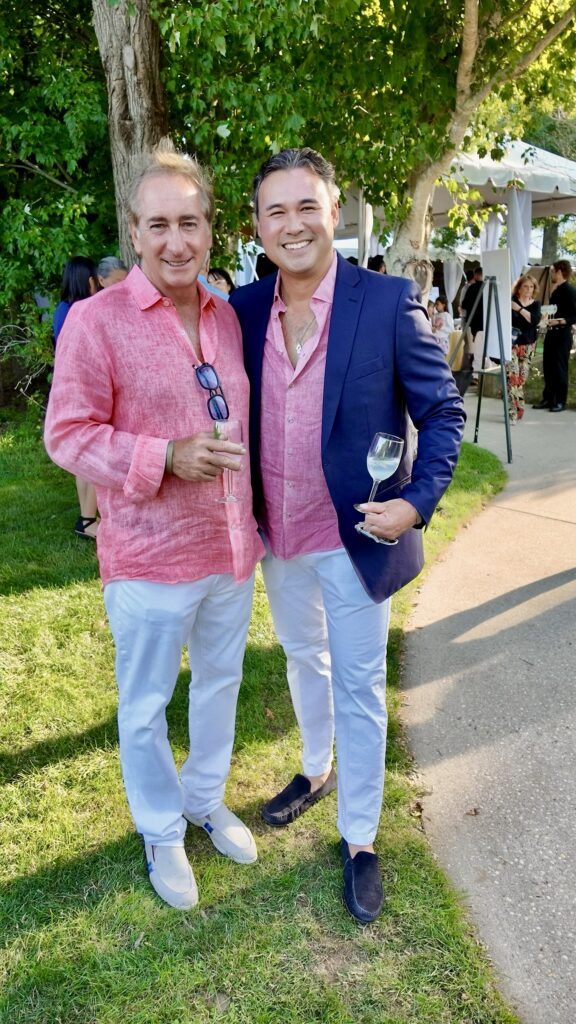
Bradford Rand, Toranosuke Matsuoka, photo Vanessa Leggard

SOFO honored Bernadette Castro, Fabien Cousteau, Jean Shafiroff, and Stephen and Louise Pesce, recognizing their commitment to conservation, philanthropy, education, and community service.

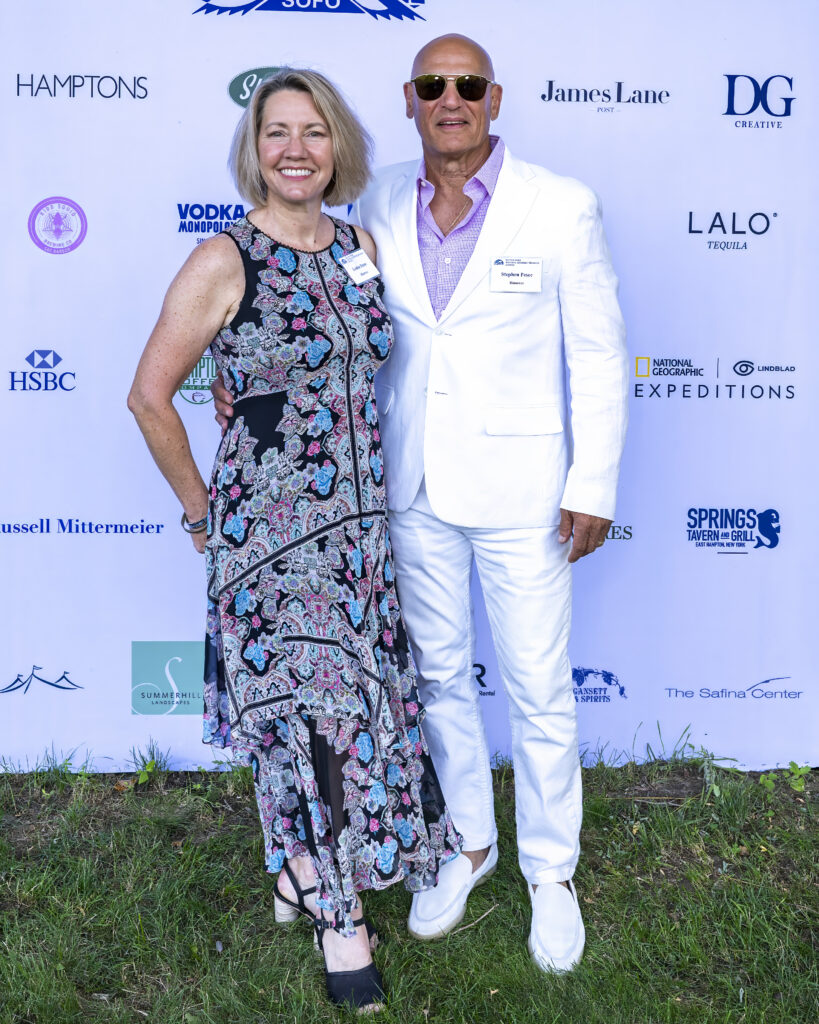
Louise Pesce, Stephen Pesce, photo Kurt Leggard

One of the evening’s most memorable moments came from Fabien Cousteau, grandson of legendary explorer Jacques Cousteau, whose words perfectly captured why organizations like SOFO matter.

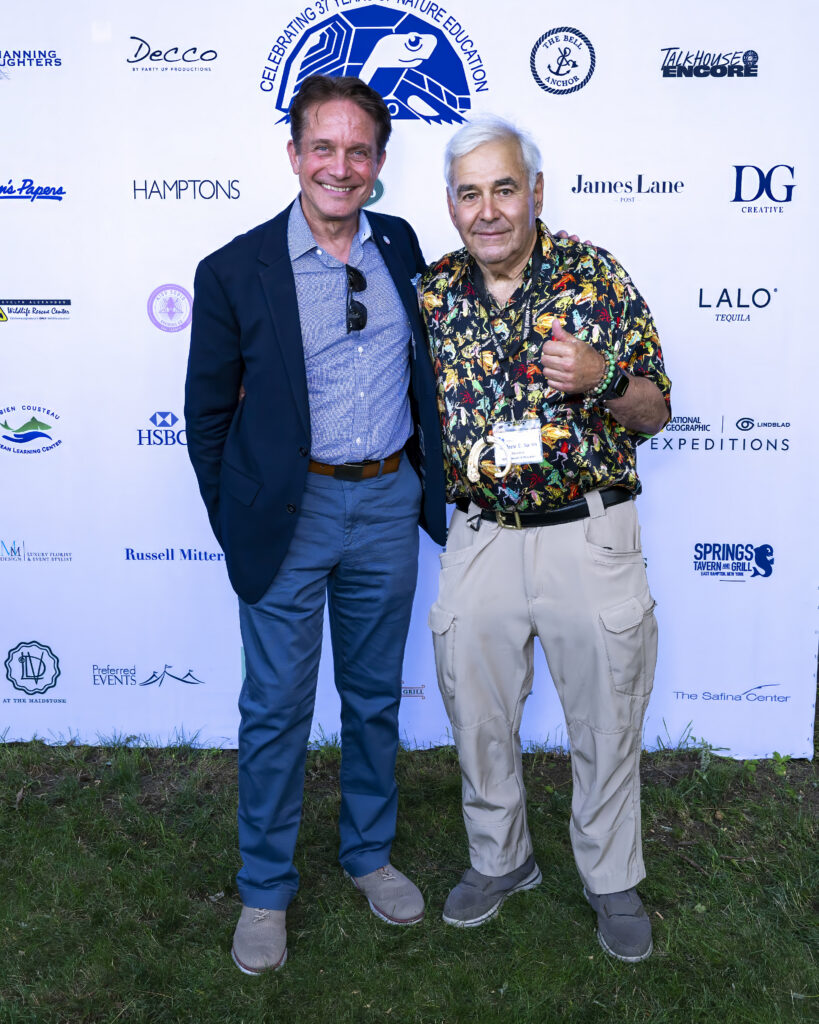
Fabien Cousteau, Andy Sabin, Photo Kurt Leggard

SOFO’s 37th Annual Summer Gala was made possible through the generosity of sponsors including the Andrew Sabin Family Foundation, Wells Fargo, HSBC, National Geographic-Lindblad Expeditions, RAND Luxury’s Hamptons Concours d’Elegance, Carl Safina & The Safina Center, Whitmores, Summerhill Landscapes, Something Different Party Rental, Dylan’s Candy Bar, the Evelyn Alexander Wildlife Rescue Center, and many others. Local restaurants, wineries, breweries, chefs, volunteers, and donors all played a role in creating an evening that celebrated both the East End and the mission of protecting it.

Susan Rockefeller, Annabel Schultz, photo, Kurt Leggard
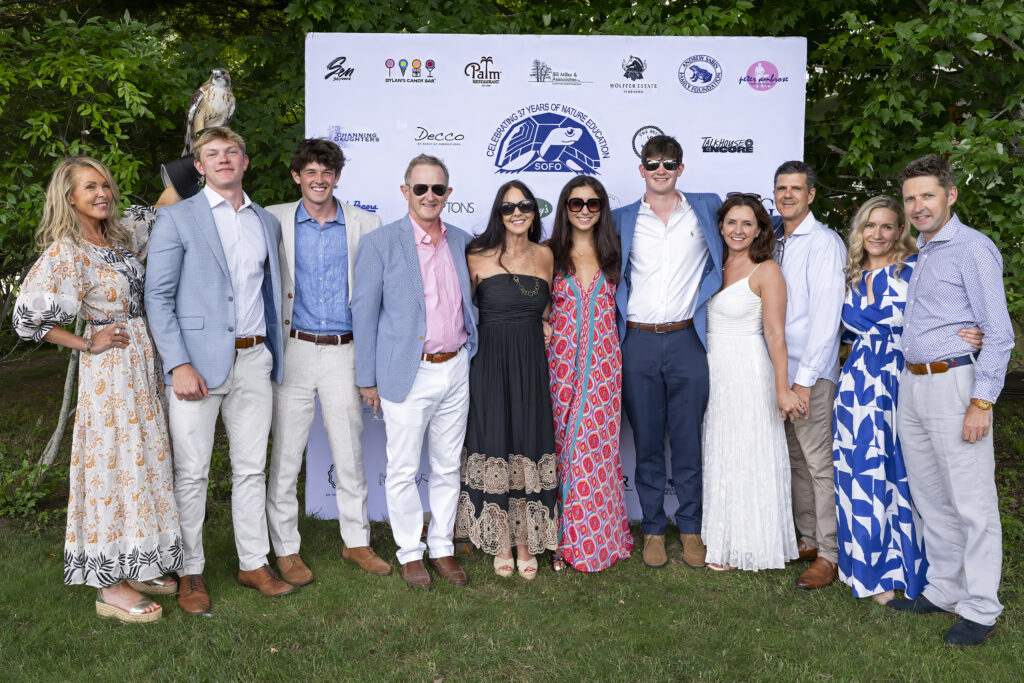
Ulrika Parash, Ronan Brady, Jack Blackmore, Declan Blackmore, Ann Blackmore, Audrey Sanchez, William Blackmore, Andrea Marro, Torro Marro, Tatsiana Corcoran, Edward Corcoran, photo Kurt Leggard

Looking for more East End events? Explore our latest coverage of charity galas, community events, restaurants, and things to do across the Hamptons.

hamptonsmouthpiece.com/category/featured-events/fundraiser-for-a-cause

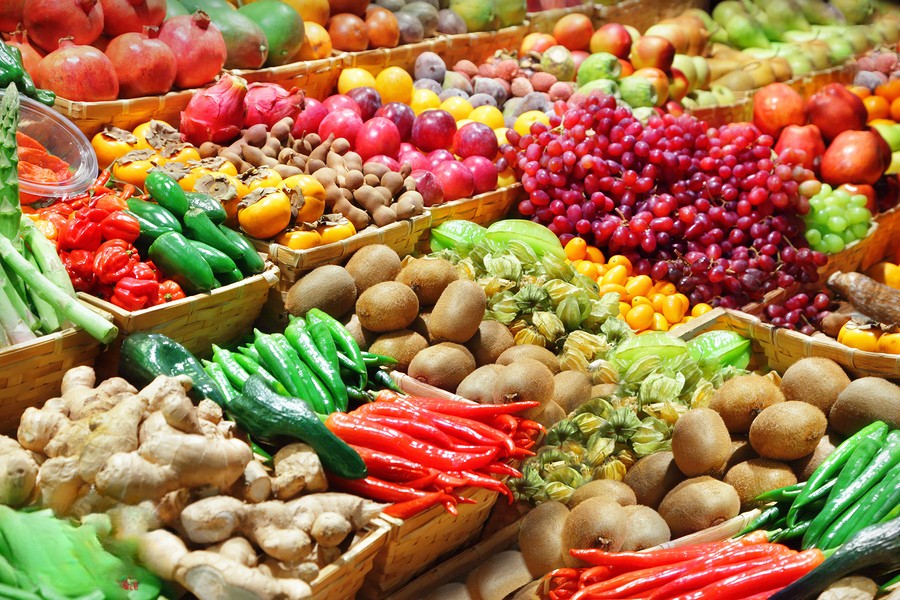
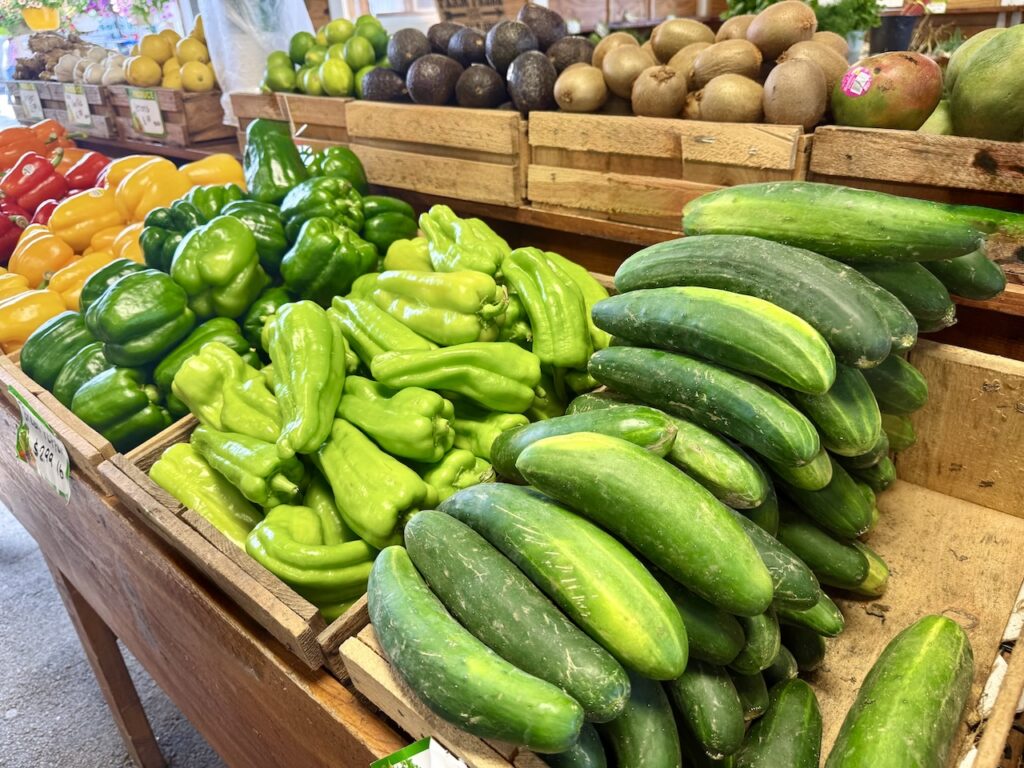
Fruits and vegetables at a farmer’s market

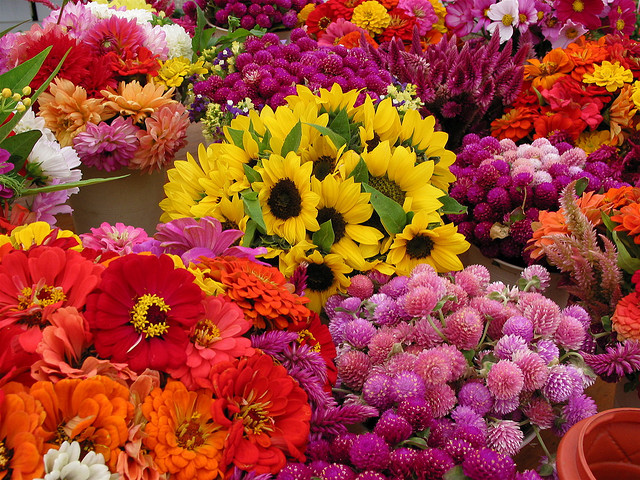
Fresh-picked produce, local flowers, artisan foods, baked goods, seafood, and family-owned farms are part of what makes summer on the East End so special. Whether you’re shopping for just-picked tomatoes, sweet corn, fresh herbs, or handmade jams, these Hamptons farmers markets and farm stands offer some of the best local products on Long Island.

July 2026. Market dates and hours may change throughout the season. We recommend checking each market’s social media or website before visiting.

Hamptons Farmers Markets

📍 Herrick Park, East Hampton (seasonal location may vary)

  • Fridays
  • 9:00 a.m. – 1:00 p.m.
  • May through September

📍 367 Main Street, Amagansett

  • Open Daily
  • 7:00 a.m. – 7:00 p.m.

A local favorite featuring organic vegetables, prepared foods, flowers, baked goods, and products from Amber Waves Farm.

📍 Ashawagh Hall
780 Springs Fireplace Road, East Hampton

  • Saturdays
  • 9:00 a.m. – 1:00 p.m.
  • May through September

📍 Corner of Second Street & South Street, Greenport

  • Fridays: 3:00 p.m. – 7:00 p.m.
  • Saturdays: 10:00 a.m. – 2:00 p.m.
  • June through October

📍 St. Mary’s Church
165 Ponquogue Avenue

  • Saturdays
  • 9:00 a.m. – 1:00 p.m.
  • May through September

📍 Montauk Village Green

  • Thursdays
  • 9:00 a.m. – 2:00 p.m.
  • June through October

📍 117 East Main Street
(Across from the Suffolk Theater)

  • Saturdays
  • 9:00 a.m. – 1:00 p.m.
  • May through October

📍 Bay & Burke Streets
(In front of Breakwater Yacht Club)

  • Saturdays
  • 9:00 a.m. – 1:00 p.m.
  • May through October

📍 Havens House
16 South Ferry Road

  • Saturdays
  • 9:00 a.m. – Noon
  • May through September

📍 25 Jobs Lane
West Side of Southampton Cultural Center

  • Sundays
  • 9:00 a.m. – 2:00 p.m.
  • May – September 13th

📍 Village Green
85 Mill Road

  • Saturdays
  • 9:00 a.m. – 1:00 p.m.
  • May – November

Hamptons Farm Stands

📍 715 Sound Avenue, Mattituck

📍 4414 Sound Avenue, Riverhead

Famous for homemade pies, seasonal fruit, and fresh produce. This Raspberry Cream is Heavenly.

Briermere Farms, raspberry cream pie
All Rights Reserved

📍 25180 County Road 48, Peconic

Certified organic farm offering vegetables, prepared foods, flowers, and locally sourced products.

📍 166 Montauk Highway

📍 76 Montauk Highway

📍 436 Montauk Highway

Nurel’s Farmers Market

📍 226 East Montauk Highway

📍 County Road 39

📍 160 Newlight Lane

  • Daily
  • 10:00 a.m. – 8:00 p.m.
  • June through October

📍 829 Montauk Highway

📍 513 Deerfield Road

Fresh vegetables, flowers, fruit, baked goods, and juices.

📍 1346 Montauk Highway

📍 65 Seven Ponds Road

  • Daily
  • 9:00 a.m. – 6:00 p.m.
Hamptons Farmers Market fresh vegetables

📍 69 Horsemill Lane

Family-friendly farm featuring seasonal produce and activities.

📍 97 School Street

Known for prepared foods, baked goods, produce, and specialty groceries.

📍 720 Butter Lane

  • Daily
  • 9:00 a.m. – 5:00 p.m.

📍 3980 Noyac Road

Offers:

  • Local seafood from Montauk and Shinnecock
  • Fresh produce
  • Mecox Bay Dairy cheeses
  • Catapano goat cheese
  • Fresh mozzarella
  • Homemade breads
  • Cookies
  • Pies
  • Pound cakes
  • Seasonal baked goods

📍 87 North Ferry Road (Route 114)

Located next to Bob’s Fish Market.

Seasonal hours:

  • Thursday: 10 a.m. – 5 p.m.
  • Friday & Saturday: 10 a.m. – 6 p.m.
  • Sunday: 10 a.m. – 2 p.m.

Late June through Labor Day Weekend.

📍 92 Spring Close Highway

Fresh vegetables, fruit, flowers, ostrich eggs, chicken eggs, baked goods, and seasonal pony rides.

📍 42 Oak View Highway

Organic and conventionally grown fruits, vegetables, and flowers.

📍 184 Three Mile Harbor Road

📍 367 Main Street

Open daily from 7 a.m. to 7 p.m.

📍 82 Sagg Main Street

Daily
9 a.m. – 6 p.m.

Fresh vegetables, fruit, flowers, and baked goods.

Montauk’s first organic farm.

📍 71 South Elmwood Avenue

Known for fresh produce, prepared foods, and local favorites.

Why Shop Local?

Shopping at Hamptons farmers markets and farm stands supports East End farmers, fishermen, bakers, and small businesses while giving you access to food that’s often harvested just hours before it reaches your table. Whether you’re planning a beach picnic, stocking your summer kitchen, or simply looking for the freshest produce available, these markets showcase the best of Long Island’s agricultural community.

If you own or operate a farmers market or farm stand on the East End, email Hamptons Mouthpiece with your updated information and we’ll gladly add it to this guide.

Real Talk, Real People, Real information.

Traffic, Housing, and the Real People Behind the East End Economy. To understand the Hamptons workforce housing crisis, start with traffic. Anyone who has ever sat on County Road 39 knows the routine. Coffee in hand, patience running low, inching forward while questioning life choices. I once called it a “rolling therapy session,” and honestly, that still feels accurate.

But here is the thing. That traffic is not just an inconvenience. It is a moving reflection of the Hamptons workforce housing reality. Those cars are filled with the people who make this place work.

The Hamptons workforce housing conversation is not about buildings. It is about people! Its the teachers shaping the next generation. It’s the nurses working long shifts. It’s the restaurant staff who make sure your dinner arrives just right. It’s the landscapers who maintain the beauty that defines the East End.

The Hamptons may be known for luxury, but it runs on everyday people, and without real solutions for the Hamptons workforce housing, those people are being pushed further away from the communities they serve.

Every summer, the demand for Hamptons workforce housing becomes impossible to ignore. Restaurants double their staff. Hotels bring in additional housekeeping teams. Catering companies prepare for a season of weddings that feel like small cities gathering for a night. Landscaping crews expand overnight.

Many businesses rely on seasonal programs like the H-2B visa and the J-1 visa to fill positions when local labor is not available. Without this workforce, the Hamptons summer experience simply would not exist. But even with these programs, the Hamptons workforce housing shortage remains front and center.

Here is the uncomfortable truth about Hamptons workforce housing: the people who work here often cannot afford to live here. Rents are sky high. Home prices are out of reach. A single bedroom can cost more than a full paycheck for many workers. This forces people to commute from farther west in Suffolk County or share housing in ways that are far from ideal.

Some employers step in and rent houses for staff. Others try to provide stipends. But the reality is simple. Hamptons workforce housing is no longer just a housing issue. It is a workforce issue.

In a previous Hamptons Mouthpiece article, I asked a question that stuck with people. Who will do the laundry? That question cuts to the core of the Hamptons workforce housing crisis. Communities cannot function without the people who keep them running.

We can build luxury homes. We can welcome visitors. But without workers, none of it works. The Hamptons workforce housing conversation is about preserving the balance between a destination and a community.

Behind the scenes, the Hamptons workforce housing solution often looks very different from what people imagine. Employers quietly rent houses and place multiple workers inside. Hotels create staff housing arrangements.

Workers share rooms, coordinate their schedules, and rely on their employer’s transportation to get to work. It is a system that keeps businesses open, but it is not a long-term solution to the Hamptons workforce housing challenge.

The Hamptons workforce housing conversation also intersects with immigration and labor systems. Temporary workers often come through legal programs tied to specific employers. That structure can create stability for businesses, but it can also make workers feel dependent on their employer for both income and housing.

At the same time, agencies like U.S. Immigration and Customs Enforcement investigate worksite violations and enforce immigration laws. The result is a system that can feel complicated for both employers and workers navigating the realities of Hamptons workforce housing.

This is where the Hamptons workforce housing conversation becomes very real for 2026. Across seasonal communities like the Hamptons, Martha’s Vineyard, and Nantucket, business owners are asking the same question. Will this summer feel different?

Between rising housing costs, ongoing traffic challenges, and increased awareness of immigration enforcement, there is growing uncertainty about the seasonal workforce. When the workforce is uncertain, the Hamptons workforce housing issue becomes even more urgent.

Here is the Real Talk side of Hamptons workforce housing. If employers have to pay for housing, that cost does not disappear. It shifts, and some businesses may absorb it. Others may raise prices. Some may adjust wages or limit hiring. Others may increase pay to attract workers willing to commute. There is no one answer, but one thing is clear, Hamptons workforce housing is now part of the business model.

That daily drive on County Road 39 is more than just congestion. It is a visible sign of the Hamptons workforce housing crisis. Those cars represent long commutes, early mornings, and workers doing what they need to do just to stay employed on the East End. When people cannot live where they work, traffic becomes the connector between the workforce and the economy. And when that connection breaks, the impact is felt everywhere.

If the Hamptons workforce housing crisis continues unchecked, the consequences will not be subtle. Restaurants will reduce hours. Hotels will limit bookings. Schools will struggle to hire teachers. Healthcare systems will feel the strain. This is not hypothetical. It is already happening in small ways.

The Hamptons workforce housing conversation is about preventing those small cracks from becoming larger problems.

Despite the challenges, there is still hope in the Hamptons workforce housing conversation. Local initiatives, including efforts connected to the Southampton Town Housing Authority, are beginning to address the need for workforce housing. Conversations are happening. Ideas are being explored. The Hamptons have always been a place of reinvention.

There is no reason it cannot lead the way in solving the Hamptons workforce housing challenge as well.

So the next time you are sitting in traffic, take a moment and look around. Every car is part of the Hamptons workforce housing story. Someone is heading to work. Someone is making your dinner. Someone is teaching your children. Someone is caring for your family.

The Hamptons is more than a destination. It is a community. And communities only work when the people who power them have a place to live.

Real Talk. Real People.

Walking into this show felt like stepping into the future while standing firmly in history. From the moment I entered the space, the Harlem Fine Arts Show revealed itself as more than a traditional exhibition. The energy was alive, immersive, and deeply rooted in Black art and cultural storytelling.

Artist: M. Gasby Brown

The Harlem Fine Arts Show has always been about more than presentation. It is about presence. This year’s exhibition felt intentional and cohesive, blending African Diaspora art with innovation while continuing to elevate contemporary Black artists on a global stage.

New technology played a powerful role in bringing the work to life at the Harlem Fine Arts Show, particularly through installations at O’Bannon Studios. Pieces evolved before your eyes, creating an immersive experience that expanded how Black art is seen and felt.

The 3D artwork by Artbunga LLC was a standout moment at the Harlem Fine Arts Show, stopping viewers in their tracks and challenging traditional gallery norms. The emergence of a young artist from Paloma Hostin reinforced why representation within the Black art community matters at every age.

artist: Paloma Hostin

The Harlem Fine Arts Show also showcased emotional depth through texture and material. The delicate use of lace fabric by M. Gasby Brown felt poetic and intentional, offering a softer yet powerful expression of Black creativity.

Zimbabwean contemporary artist Keith Zenda brought ancestral symbolism to the forefront at the Harlem Fine Arts Show, blending bold color with cultural heritage. His work bridged tradition and modernity, highlighting the global reach of African Diaspora art.

This was Black art in motion at the Harlem Fine Arts Show. Artists were not only creating visually stunning work but also pushing culture forward with purpose, soul, and intention.

What made the Harlem Fine Arts Show especially meaningful was its commitment to community impact. The Bridgehampton Child Care and Recreational Center in Bridgehampton, New York, was a benefactor of the event, reinforcing the connection between art, responsibility, and social good.

Bridgehampton Childcare Center

By supporting a local nonprofit, the Harlem Fine Arts Show demonstrated how cultural institutions can engage with community needs while uplifting Black artists and strengthening the broader Hamptons art scene.

The moment that felt most personal came with the reminder that Dion Clarke, founder and CEO of the Harlem Fine Arts Show, is a Sag Harbor resident. This connection grounds the show in the East End while maintaining its international influence.

This July, Dion Clarke will bring an art show to Sag Harbor, extending the legacy of the Harlem Fine Arts Show into the Sag Harbor art scene and creating a powerful homecoming rooted in Black history and culture.

The Harlem Fine Arts Show is not just an exhibition. It is a vibe, a movement, and a cultural force. It reminds us that Black art is not static or confined to the past but living, evolving, and shaping the present.

Year after year, the Harlem Fine Arts Show proves that when Black artists are centered and celebrated, the result is not only beautiful work but lasting cultural impact felt far beyond the gallery walls.

Some nights feel like events. Others feel like moments, and The PowHer Dining Experience hosted by Black Women of Long Island (BWLI) was the kind of Westbury event that felt like something bigger than a schedule or a flyer.

Westbury was glowing as a room filled with beautiful Black women gathered inside Post 270 Westbury, a new restaurant quickly becoming part of the Long Island cultural conversation. The atmosphere was fun, elevated, and welcoming, reflecting exactly why BWLI events resonate so deeply with Black women across Long Island.

It felt like Black joy in real time at this Black women networking event on Long Island, and that matters.

Founder BWLI Judith Jacques & Vanessa Leggard

A full-circle BWLI moment

The first time I was introduced to Black Women of Long Island, it was at a Hamptons event, one of the summer gatherings BWLI is known for out east. Their presence in the Hamptons has long represented connection, culture, and intentional community-building for Black women.

Seeing BWLI bring that same Hamptons energy to Westbury felt like a full-circle moment. Different season, different zip code, same mission of empowerment, visibility, and sisterhood across Long Island.

It was a reminder that Black women community spaces on Long Island are not tied to geography. They move where they are needed.

A room built on presence, not performance

What stood out most at this BWLI PowHer Dining Experience was how effortless the room felt. Black women did not have to explain themselves, shrink themselves, or perform for anyone.

Entrepreneurs, educators, creatives, and corporate leaders filled the room, representing the diversity and strength of Black women leadership on Long Island. The energy reflected ease, confidence, and mutual respect.

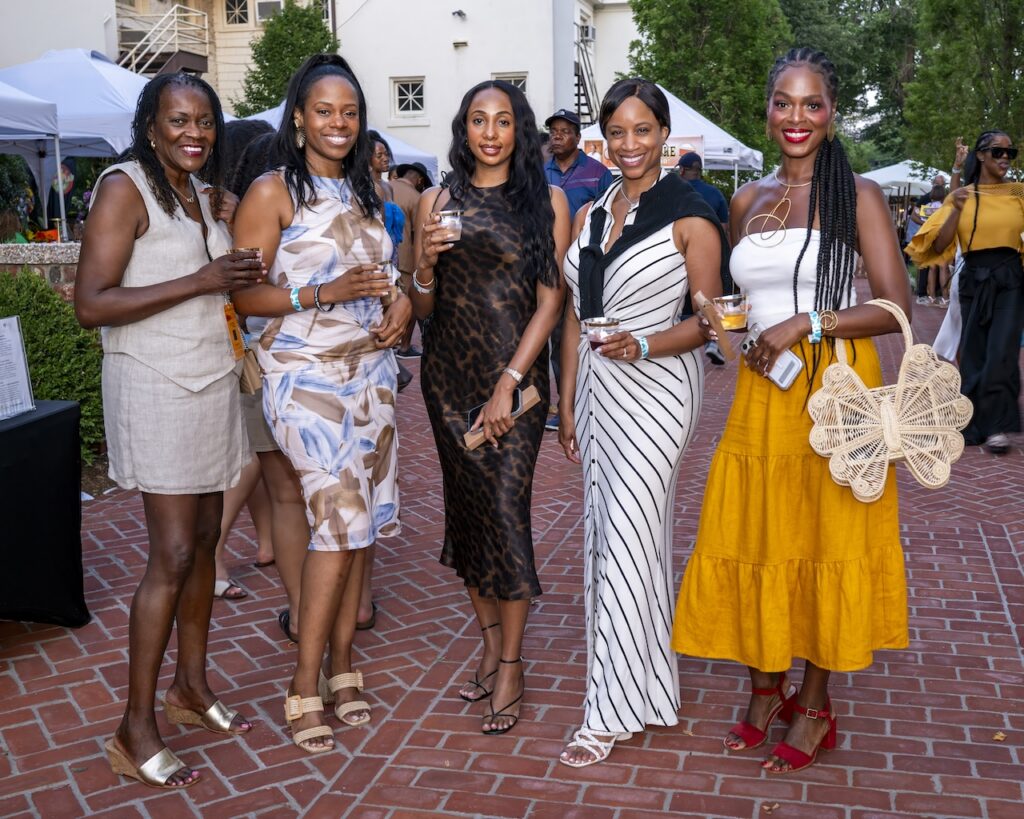
photo credit: Photography by Kurt, LLC

At its core, Black Women of Long Island continues to prove that joy, rest, and connection are not extras. They are essential.

First impressions of Post 270 Westbury

Let’s talk about the venue itself. Post 270 Westbury is visually striking, with a beautiful bar, warm lighting, and a layout that works well for social gatherings and networking events.

The cocktails at Post 270 were well crafted and flavorful, helping set the tone early for conversation and connection. The bar area, in particular, worked perfectly for mingling during this Westbury networking event.

You could actually hear each other talk, which is rare and refreshing in many Long Island restaurants hosting large events.

Judith Jacques & Karine Jean-Pierre, photo credit: Photography by Kurt, LLC

A thoughtful note on the dining experience

The food experience at Post 270 Westbury felt well suited to a large-scale event, which is understandable given the size and pace of the evening. The cocktails and atmosphere truly carried the night.

I would be interested in returning to Post 270 restaurant in Westbury during a quieter service to experience the menu in a more intimate dining setting. New venues take time to find their rhythm, and this space shows genuine promise.

photo creditL Photography by Kurt, LLC

The conversation that shifted the room

The evening moved from celebration to reflection during a powerful conversation with Karine Jean-Pierre, centered around her book, Independent: A Look Inside a Broken White House, Outside the Party Lines, a timely read discussed at this BWLI event.

The Pow Her Dining Experience, photo Photography by Kurt, LLC

As the former White House Press Secretary, Karine Jean-Pierre spoke candidly about stepping into positions of power that were never designed for Black women and navigating political spaces shaped by pressure and expectation.

Her words brought stillness to the room, reinforcing why Black women leadership conversations on Long Island matter now more than ever.

Vanessa L & Karine Jean-Pierre

Leadership, pressure, and real talk

Karine Jean-Pierre shared that Independent was not the book she originally planned to write, but one shaped by what she witnessed after leaving the White House. She spoke openly about Black women being under attack and communities feeling targeted.

She reminded the audience that as White House Press Secretary, she was never speaking for herself, but for the President of the United States. That reality mirrors what many Black women experience in leadership roles across Long Island and beyond.

Her honesty resonated deeply with the Black Women of Long Island community in the room.

Marjorie Mesidor, Judith Jacques, Olena Nicks, Karine Jean-Pierre, Photo: Photography by Kurt, LLC

Why nights like this matter

Events like The PowHer Dining Experience highlight why in-person community spaces remain essential for Black women on Long Island.

This was not about optics or social media moments. It was about listening, connecting, and exhaling together in a space created by BWLI with intention.

Black women do not always get to rest in public spaces, and this Westbury BWLI event allowed that pause.

My takeaway

Westbury showed up, and Black Women of Long Island showed out. Post 270 Westbury provided a stylish new backdrop for an evening rooted in conversation, leadership, and connection.

This night was not about perfection. It was about presence, purpose, and community.

270 Post Restaurant, BWLI Pow Her event 2026, Photo: Photography by Kurt, LLC

Would I return to Post restaurant Westbury? Yes.
Would I recommend it for cocktails and conversation? Absolutely.
Would I be curious to experience it during a more intimate dining service? Definitely.

Because sometimes the real story at a Long Island Black women event is not just what is on the plate, but who is in the room.

And that part was beautiful.

Hamptons Mouthpiece
Real talk. Real people. Real moments.