


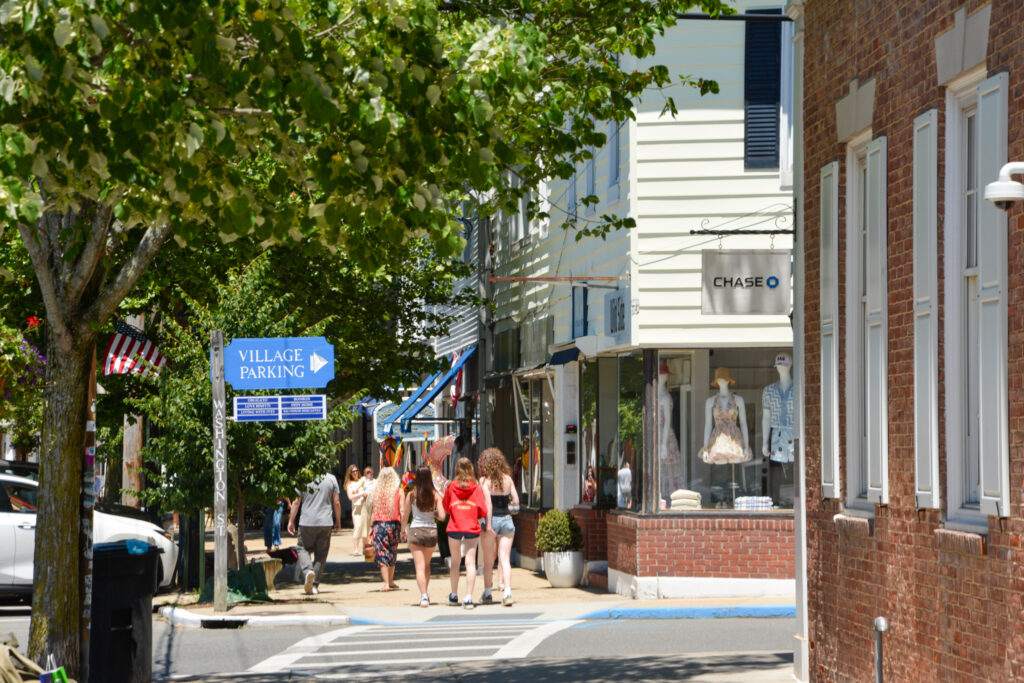
There was something refreshing about the recent discussion regarding formula stores, commercial rents, and the future of Sag Harbor Village. Residents, business owners, arts leaders, property owners, and Village officials gathered to discuss a question that affects everyone who loves this community: How do we protect what makes Sag Harbor special while still allowing the village to grow and evolve?
What emerged from the conversation was not a debate about one retailer, one landlord, or one vacant storefront. The discussion quickly became a broader conversation about community identity, economic sustainability, small businesses, and the future of Main Street Sag Harbor. While opinions varied, there was one point of agreement shared by nearly everyone in the room. The character of Sag Harbor is worth protecting.

Let’s Start With What We All Agree On
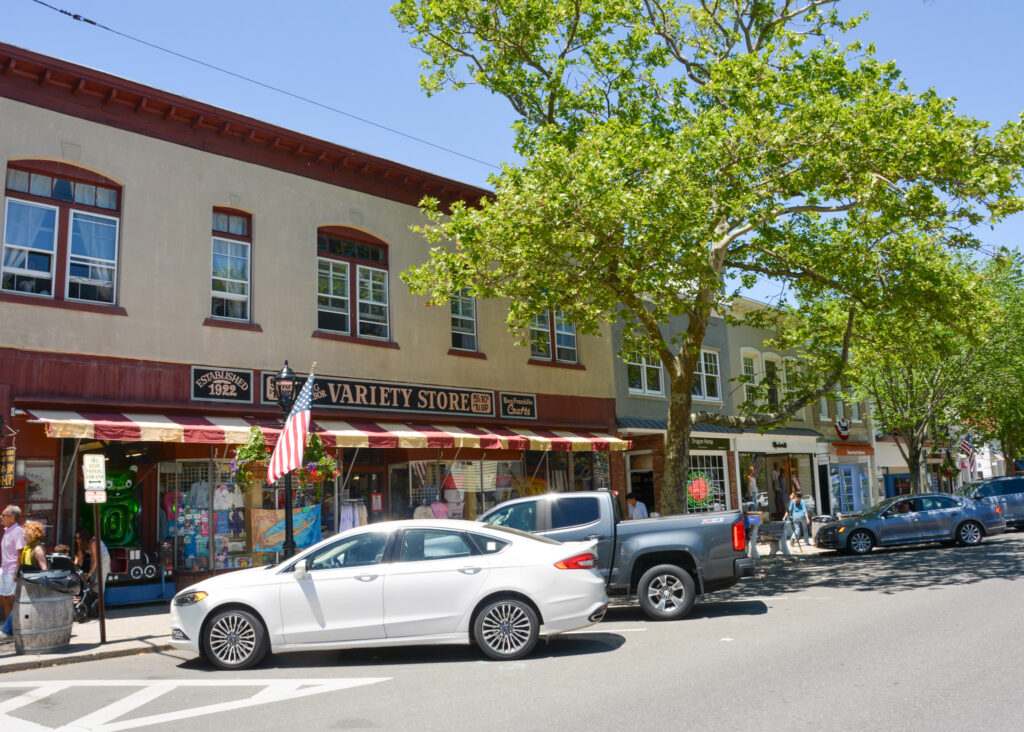
The conversation surrounding Sag Harbor Village often becomes emotional because people care deeply about this place. Whether someone owns a business, rents an apartment, owns commercial property, serves on a nonprofit board, or simply enjoys spending time on Main Street, there is a shared appreciation for the qualities that make the village unique.
The goal is not to stop change. Change has always been part of the history of Sag Harbor. The challenge is determining how growth can occur without sacrificing the character that attracts residents, visitors, and businesses in the first place. Most people recognize that economic vitality is important. They also recognize that preserving the village’s identity is equally important.
There Is Something Special About This Place
People do not visit Sag Harbor Village because it is the largest shopping district on the East End. They visit because it offers an experience that feels authentic. A walk down Main Street often includes conversations with neighbors, visits to independently owned shops, waterfront views, local events, and businesses that have become part of the fabric of the community.
That authenticity has tremendous value. It is one of the reasons people choose to invest in Sag Harbor, purchase homes here, open businesses, and return year after year. The concern expressed by many residents is that once a village loses its identity, it becomes difficult to recover. Protecting the character of Main Street Sag Harbor is not about resisting change. It is about preserving the qualities that make the village different from countless other destinations.
Empty Storefronts Tell A Bigger Story
Much of the public conversation has focused on formula stores, but many participants in the Village discussion argued that the larger issue may be vacant storefronts and the growing challenge of maintaining year-round businesses. A dark storefront affects more than a single property owner. It impacts foot traffic, neighboring businesses, visitor experience, and the overall energy of the Village.
When residents begin leaving Sag Harbor to shop elsewhere, they often spend money elsewhere as well. One business closure can create a ripple effect that impacts surrounding businesses. Over time, fewer destinations can mean fewer visitors and less activity throughout the village. For many community members, the long-term health of Sag Harbor businesses depends on finding ways to keep storefronts occupied and active throughout the year.
Several speakers noted that a village thrives when there are reasons for people to walk its streets every month of the year. Restaurants, retailers, arts organizations, and service businesses all depend on a healthy ecosystem. Empty storefronts weaken that ecosystem and can gradually alter the experience that residents and visitors have come to expect from Sag Harbor.
Let’s Talk About Rent
The reality of rising commercial rents was impossible to ignore during the discussion. Many commercial properties are no longer owned by families who have held them for generations. Investment groups, developers, and outside investors have purchased a number of buildings throughout the village, often at prices that require significant rental income to justify those investments.
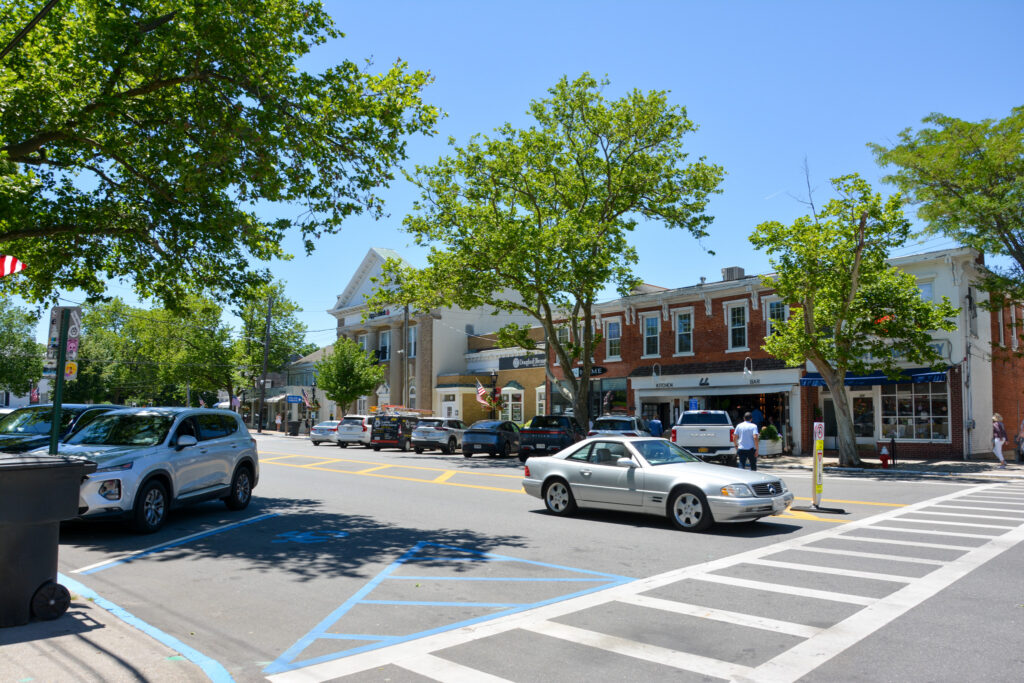
Property owners have every right to seek a return on their investment. The challenge is that many small businesses in Sag Harbor cannot compete with the rents that larger retailers or national brands can afford to pay. A locally owned bookstore, gift shop, shoe store, or specialty retailer may bring character and community value to Main Street, but character alone does not pay the rent.
The question facing the community is not whether landlords should be profitable. The question is whether there are creative solutions that can help preserve the independent businesses that contribute to the village’s identity while still respecting property rights.
Property Owners Aren’t The Enemy
One of the most productive themes that emerged from the discussion was the recognition that commercial property owners are not necessarily the problem. Many investors purchased property in Sag Harbor Village because they were attracted to the same qualities residents are trying to protect. They saw value in the walkability, history, charm, and strong sense of community that define the village.
Rather than creating an adversarial relationship between landlords and local businesses, several participants suggested bringing everyone together. A roundtable discussion involving property owners, Village officials, business owners, arts organizations, and residents could create opportunities for collaboration. A healthy Sag Harbor community benefits everyone, including landlords, retailers, nonprofits, and residents.
Many investors have chosen Sag Harbor specifically because it is not Southampton, East Hampton, Palm Beach, or Aspen. They invested in a village with a unique identity. That common interest may provide a starting point for finding solutions that support both economic growth and community preservation.
What If We Focused On Solutions?
A recurring theme throughout the discussion was the need to focus on solutions rather than taking sides. While the Village cannot dictate who a landlord rents to, there may be ways to encourage outcomes that support the long-term health of Sag Harbor Village.
Several residents suggested exploring incentive-based approaches rather than relying solely on restrictions. State-authorized tax incentives, facade improvement grants, marketing partnerships, permit fee reductions, and economic development programs could potentially encourage property owners to lease to year-round operators and independent businesses.
The reality is simple. If landlords are being asked to consider a local business over a tenant willing to pay significantly more rent, there must be a financial reason for doing so. Communities often achieve better outcomes when economic interests and community interests are aligned.
Small Businesses Need More Than Good Intentions
Supporting small businesses in Sag Harbor requires more than expressing appreciation for them. Independent businesses need resources, visibility, and opportunities to compete in an increasingly expensive environment.
Potential solutions include small business grants, cooperative marketing programs, seasonal business support, reduced permitting fees, mentorship opportunities, and pop-up retail initiatives. These tools could help entrepreneurs establish themselves while creating more diversity along Main Street.
Local businesses do far more than generate revenue. They sponsor youth sports teams, contribute to charitable causes, support school fundraisers, and participate in community events. Their success directly impacts the social fabric of Sag Harbor. When local businesses thrive, the entire community benefits.
A Lesson From East Hampton
While this idea was not specifically discussed during the Village meeting, it is worth considering as part of the broader conversation about keeping Main Street active year-round.
In neighboring East Hampton, some seasonal businesses that close during the winter months offer short-term storefront opportunities during the off-season. These temporary arrangements can provide affordable space for artists, makers, specialty retailers, entrepreneurs, and emerging businesses while helping to keep storefronts active.
Could a similar concept work in Sag Harbor?
A Winter Storefront Program could provide opportunities for local entrepreneurs while reducing the number of dark storefronts during slower months. It could also serve as a way for new businesses to test the market before committing to a year-round lease.
This is not a proposal currently under consideration by the Village. It is simply one example of the type of creative thinking that communities across the country have used to support small businesses, increase foot traffic, and keep downtown districts vibrant throughout the year.
Maybe It’s Time To Think Outside The Box
Some of the most interesting ideas discussed during the Village conversation were not about restrictions at all. They were about creativity and long-term thinking.
Several residents referenced the success of the Community Preservation Fund, which helped protect East End farmland from overdevelopment. No one is suggesting that commercial properties should be regulated in the same way. However, the broader concept of preservation may offer inspiration for protecting the character of Sag Harbor Village.
Could there be a Main Street preservation initiative? Could philanthropic organizations, community foundations, or public-private partnerships help support a healthy mix of businesses? Could grants, easements, or innovative funding mechanisms help preserve the qualities that attract both residents and investors?
One idea that came to mind as I listened to the discussion is the possibility of bringing commercial property owners together for a dedicated conversation about the future of Main Street.
Many of the investors and property owners who have purchased buildings in Sag Harbor were drawn to the same qualities that residents value: the charm, walkability, history, and unique character of the village. While landlords, business owners, and residents may not always share the same priorities, they do share an interest in maintaining a vibrant and successful Sag Harbor shopping area.
Perhaps the future of Sag Harbor depends less on regulations and more on collaboration. A roundtable discussion involving property owners, local businesses, Village officials, arts organizations, and community members could create opportunities to explore solutions that benefit everyone.
Meaningful solutions often begin when people who share a common interest sit down, listen to one another, and work toward a shared goal.
Nobody Wants To Stop Progress
One thing became clear throughout the discussion. Residents are not opposed to growth, investment, or progress. The conversation about Sag Harbor Village is not about stopping change. It is about managing change thoughtfully.
Sag Harbor has evolved for generations. Businesses have come and gone. Buildings have changed hands. New residents have arrived. Economic conditions have shifted. Change itself is not the concern.
The concern is whether growth can occur without sacrificing the qualities that make the village special. Residents want thriving businesses. Property owners deserve a return on their investment. Visitors support the local economy. New businesses create opportunities. The challenge is finding a balance that allows all of those interests to coexist.
A village that refuses to evolve risks stagnation. A village that evolves without intention risks losing its identity. Neither outcome serves the community.
The Future Of Sag Harbor Belongs To All Of Us
At its core, the discussion about Sag Harbor Village is really a discussion about community. It is about the independent business owner wondering if another rent increase is sustainable. It is about the property owner trying to make responsible financial decisions. It is about arts organizations that rely on year-round foot traffic. It is about residents who want to preserve the village they love.
The future of Sag Harbor cannot be shaped by any one group. It will require collaboration between Village leaders, business owners, landlords, investors, nonprofit organizations, and residents. The most encouraging takeaway from the recent discussion was not any single proposal. It was the fact that people showed up, listened, shared ideas, and demonstrated how much they care.
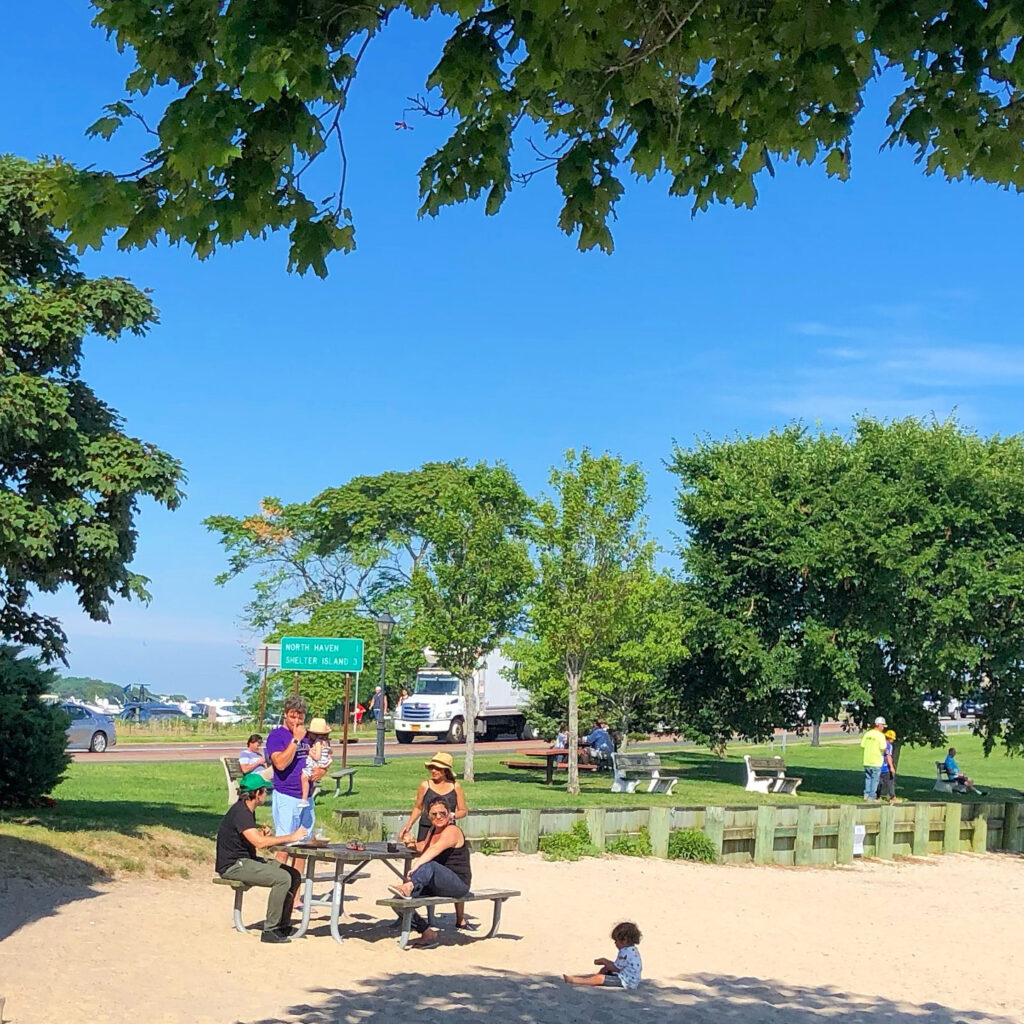
Anyone who has watched the sunset over the harbor, attended a local event, enjoyed a summer evening on Main Street, or run into neighbors while grabbing coffee understands what makes Sag Harbor special. The village is more than a collection of buildings and businesses. It is an experience, a culture, and a community.
The question is not whether Sag Harbor will change. The question is whether we can work together to ensure that future generations experience the same sense of place that has made Sag Harbor Village one of the most treasured communities on the East End.
Real Talk. Real People.



Comments are closed.