


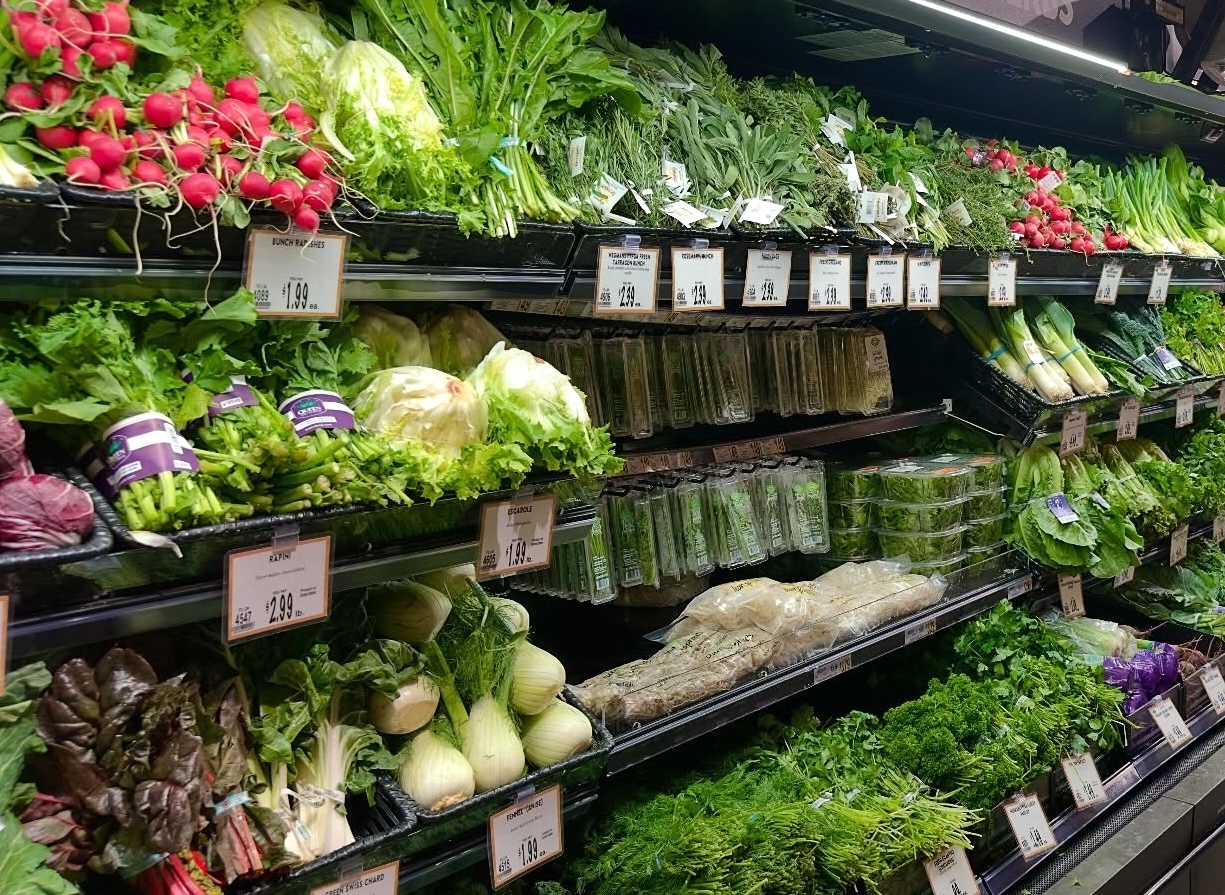
Food Safety in America: Every time we walk into a grocery store, we make dozens of assumptions without even realizing it. The lettuce looks fresh. The strawberries look ripe. The herbs smell exactly as they should. Most of us never stop to wonder if our food is safe.
Then a story like the nationwide Cyclospora outbreak makes headlines, and suddenly Food Safety in America feels much more personal. Questions begin to surface. How does our food get to the grocery store? Are the systems designed to protect us as strong as we believe they are? Who checks it along the way?

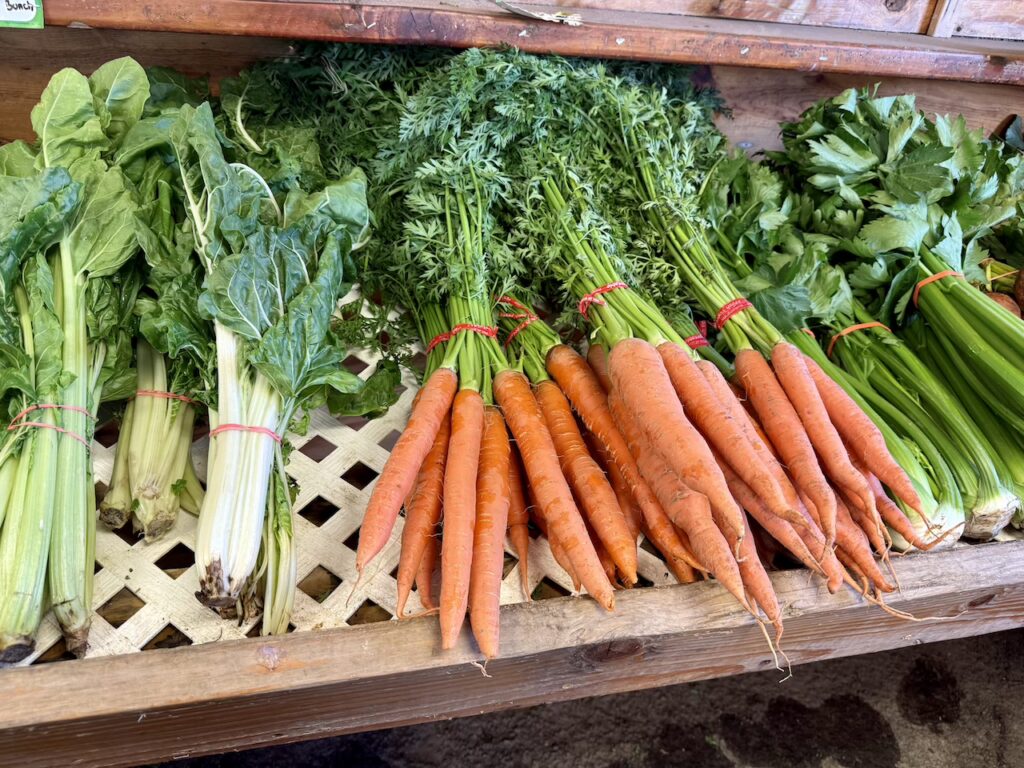
Health officials are investigating one of the largest Cyclospora outbreaks in recent years. More than 800 confirmed cases have been reported across 31 states, while thousands of additional illnesses remain under review. New York is among the states reporting a significant number of cases, and investigators are still working to identify the source. According to the Centers for Disease Control and Prevention, previous outbreaks have often been linked to fresh produce, including leafy greens, basil, cilantro, berries, and other fruits and vegetables. That does not mean people should stop eating healthy. It does remind us that Food Safety in America deserves more attention than it usually receives.
Cyclospora outbreak and symptoms
Food Safety Starts Long Before We Shop
Fresh fruits and vegetables remain some of the healthiest foods we can eat. Trust, however, begins long before we arrive at the grocery store.
Food travels a long road before it reaches our kitchens. A salad purchased on Long Island may include ingredients grown in California, Mexico, Central America, or several other places. Farmers grow the crops. Processing plants clean and package them. Distributors move them across the country. Grocery stores stock the shelves. Restaurants prepare the meals. Every step matters, and every person involved plays a role in Food Safety in America.
The same is true when something goes wrong.
Laboratory scientists test samples while epidemiologists search for patterns. State health departments interview patients to learn what they ate and where they shopped. Investigators trace supply chains that often stretch across several states and even international borders. The Centers for Disease Control and Prevention and the Food and Drug Administration work with state agencies to identify contaminated products and alert the public before more people become sick. Most of this work happens quietly behind the scenes. That is exactly how we want it when the system is working.
Food recalls and food safety
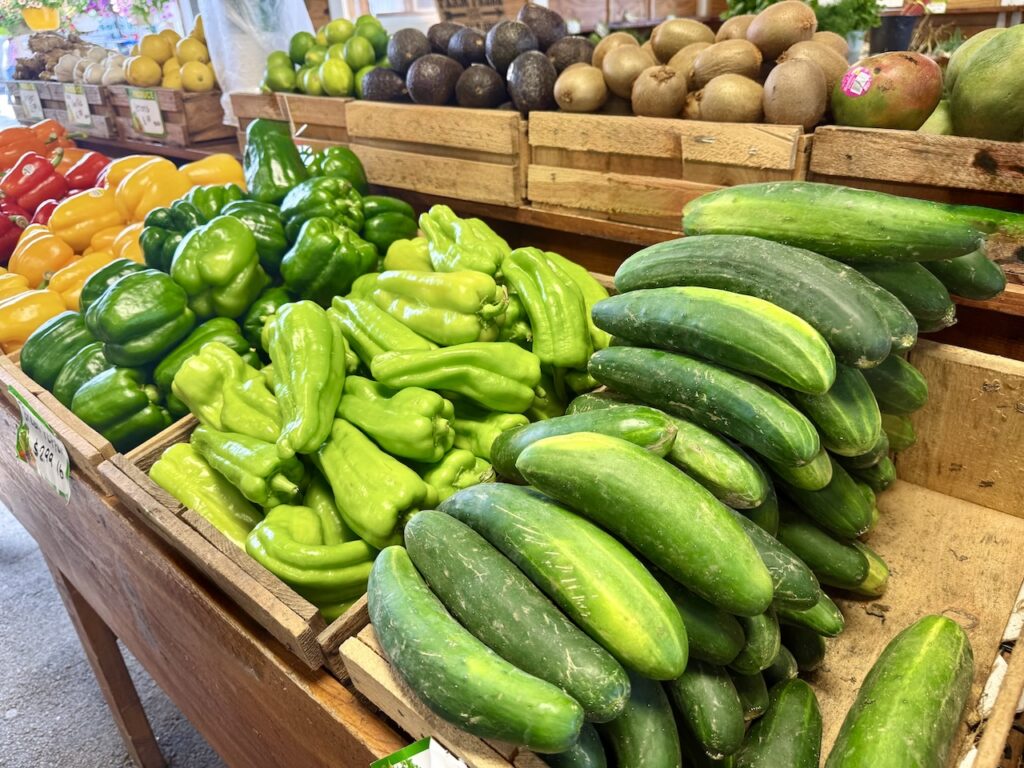
The current outbreak raises an important question. Does Food Safety in America have the people, funding, and resources needed to respond quickly when an outbreak occurs?
The Department of Health and Human Services has undergone significant restructuring during the past year, including staffing reductions at several federal agencies. The administration says essential food safety programs continue and that frontline inspectors remain in place. Former public health officials and food safety experts have expressed concern that fewer experienced scientists, investigators, and support staff could slow outbreak detection and response. Both viewpoints deserve consideration because protecting the nation’s food supply should never become a political contest.
HHS restructuring
Food safety affects everyone. Republicans, Democrats, Independents, and everyone in between shop at the same grocery stores, eat at the same restaurants, and serve many of the same foods to their families. Safe food should never depend on political beliefs. It should be an expectation shared by every American.
Food Safety and Healthcare Are Connected
Another part of this conversation deserves just as much attention.
Millions of Americans are facing uncertainty about healthcare. Some have already lost health insurance. Others are struggling with higher premiums and rising out-of-pocket costs. Recent policy changes are expected to increase the number of uninsured Americans over the coming years. That reality changes the conversation about Food Safety in America because getting sick is only part of the problem. Being able to afford medical care is another.
Healthcare coverage
Health officials recommend seeing a healthcare provider if severe watery diarrhea continues for several days. They also advise asking specifically about Cyclospora testing because routine stool tests may not automatically include the parasite. The infection is treatable with antibiotics once it is properly diagnosed.
The advice sounds simple. Real life is often more complicated.
Someone without health insurance may think twice before making an appointment. A doctor’s visit costs money. Laboratory testing costs money. Prescriptions cost money. Many people wait, hoping the illness improves on its own. Others convince themselves it is simply a stomach virus that will pass in a day or two. Waiting can turn a treatable illness into a much bigger health problem.
Food safety and healthcare work together. One system is designed to prevent contaminated food from reaching our tables. The other helps us when prevention fails. Strong public health agencies and access to healthcare are partners, not separate conversations.
Trust Is the Foundation of Food Safety
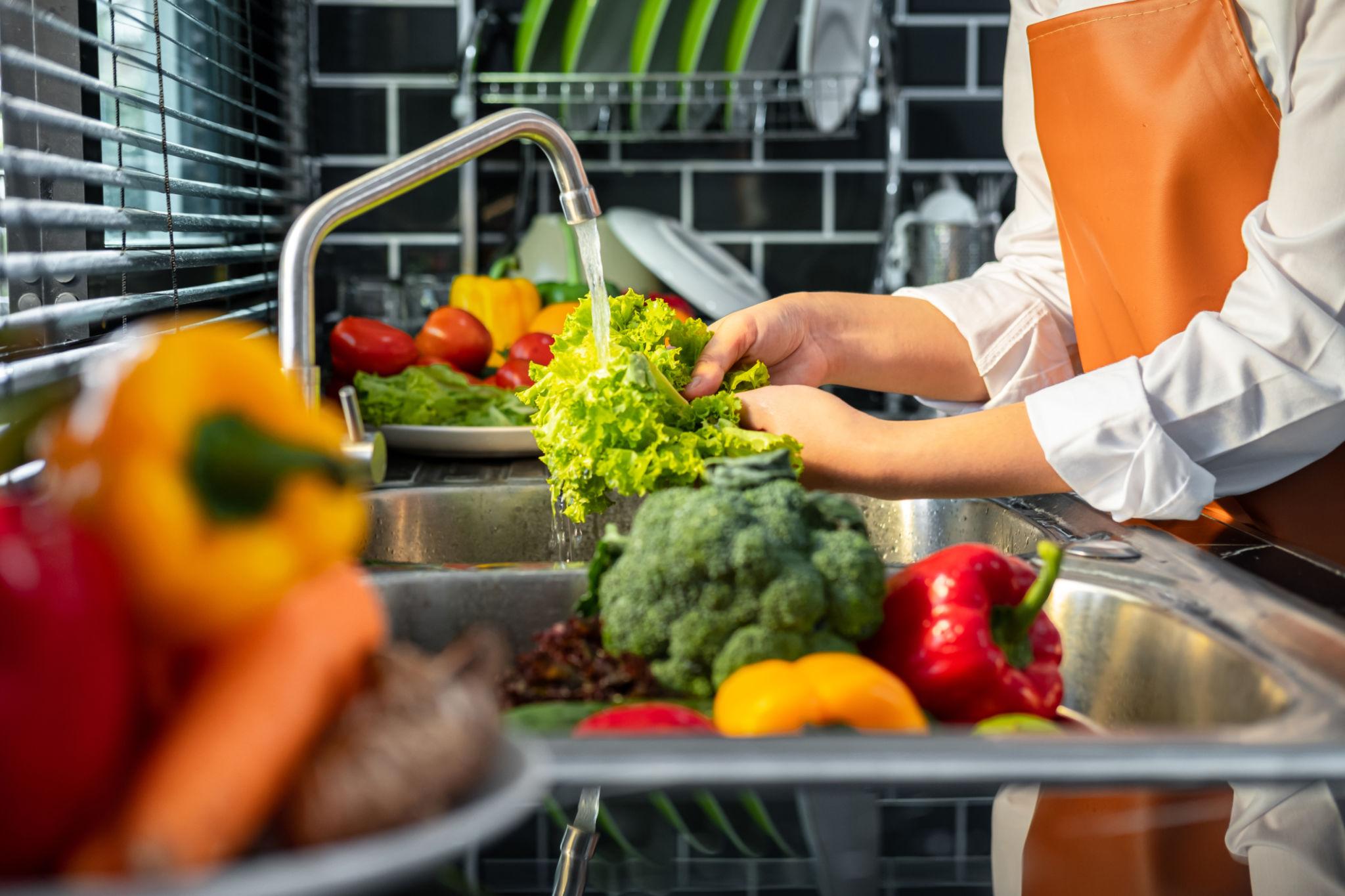
Personal responsibility still matters. Washing fruits and vegetables under running water, practicing safe food handling, paying attention to recalls, and seeking medical care when symptoms persist are practical steps every family can take.
Food safety at home
Consumers, however, cannot do everything.
Nobody can inspect an international food supply chain from a kitchen sink. Nobody can test a package of berries for microscopic parasites before serving dinner. Those responsibilities belong to the farmers, inspectors, laboratory scientists, healthcare professionals, and public health agencies working every day to protect Food Safety in America.
Perhaps the biggest lesson from this outbreak has very little to do with one parasite.
The story is really about trust.
We trust farmers to grow safe food. We trust inspectors to identify problems before they become widespread. We trust scientists to investigate outbreaks quickly. We trust health departments to tell us when something is wrong. We also trust that if we become sick, we can see a doctor without wondering how we will pay the bill.
Those expectations are not unrealistic.
They are the foundation of public health.
Conversations about Food Safety in America should not begin only after an outbreak makes national headlines. They should happen before the next recall, before the next investigation, and before another family finds themselves asking questions they never expected to ask.
Food safety is more than a headline. It is a promise we make to one another. Every family deserves confidence in the food they serve, the people protecting our food supply, and the healthcare system that cares for us when something goes wrong.
Real Talk. Real People. Real Issues.
Continue the Conversation
If you’re interested in learning more, you may also enjoy:
:




Comments are closed.