Loneliness: Let’s talk about something real for a second—something that doesn’t always show up in pretty pictures or polished conversations: loneliness.
Loneliness: Not the kind where you spend a quiet night in.
Not the kind where you cancel plans and feel relieved. But the kind that settles in your chest, even when you’re surrounded by people. The kind that whispers,“No one really sees you.”
Loneliness is a complex emotion. It’s not just about being physically alone—it’s about feeling disconnected, unheard, unseen. And in today’s hyper-connected world where we’re constantly “on,” it’s surprisingly easy to feel isolated.
Scroll through social media and everyone seems to be living their best lives: parties, vacations, group dinners, flawless skin, perfect partners.
But behind the filters? Many of those same people are struggling too.
They just don’t talk about it.
So let’s go there. Let’s say it out loud: loneliness is real.
Loneliness: It doesn’t care how old you are, how social you are, or how many people know your name. It shows up during transitions, grief, breakups, career changes, motherhood, aging. It creeps in when you move to a new place or lose touch with a friend. It can even happen while you’re sitting at dinner with people you love.
And here’s what many don’t realize:
Chronic lonelinessisn’t just hard emotionally—it’s hard on your body too. It increases stress levels, fuels anxiety, impacts sleep, and can even raise the risk of heart disease.
But you’re not broken. You’re not weak. You’re not the only one.
You are human.
And there are ways to gently move through it:
Start with small, meaningful conversations.
Say yes to a coffee.
Say no to things that drain you.
Write the text. Make the call.
Let people know you’re thinking of them.
Let someone in when they ask how you are—and answer honestly.
You don’t have to fix it all at once. You just have to take one small step.
The truth is, loneliness is something we all experience at some point. It’s not an exception—it’s part of being human. But when we acknowledge it, when we share it, when we reach out instead of retreat—we take away its power.
If you’re reading this and thinking, “That’s me,”—know this:
You are not alone.
You are not invisible.
You matter.
Let’s keep checking in on one another. Let’s keep being honest. Let’s keep it real.
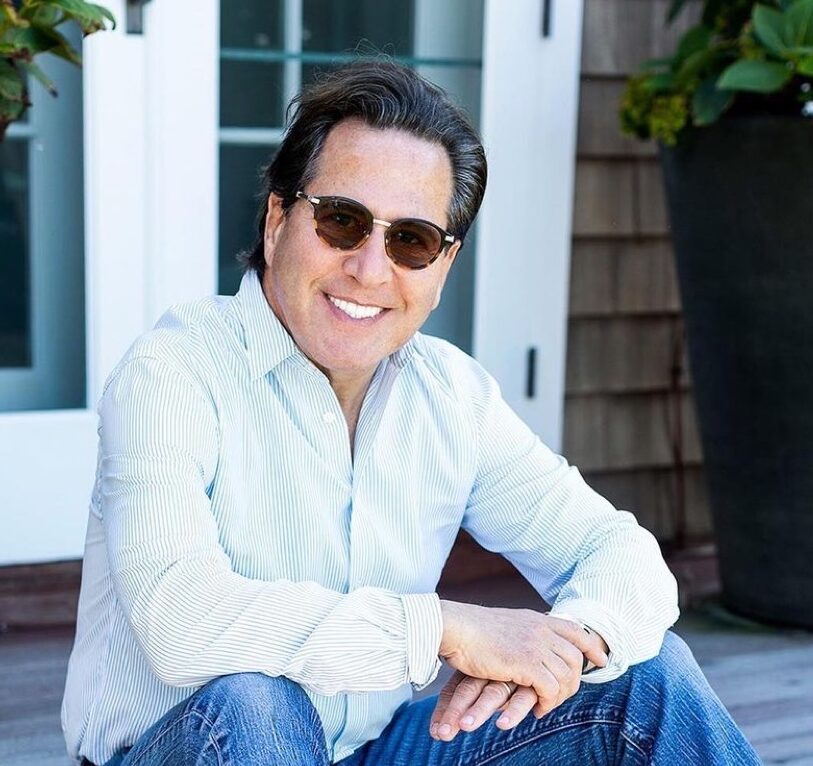
Botox by the Bay…and Beyond: A Skin-Deep Sit-Down with Dr. Howard Sobel in Southampton.
You know the name. You’ve probably heard it whispered over brunch at Tutto il Giorno or casually dropped during a Pilates class. “He’s the one—Botox by the Bay.” But Dr. Howard Sobel is no one-trick pony. This board-certified dermatologic surgeon, with over 30 years of experience in Manhattan also has a practice in Southampton, is also a laser wizard—offering treatments like Fraxel and Helix that are rewriting the rules of skincare in the Hamptons.
We sat down with Dr. Sobel for a conversation that went beyond Botox. From skin cycling to laser resurfacing to caring for melanin-rich skin, this was no fluff facial. This was real talk, the kind we love at Hamptons Mouthpiece.
So, what’s the difference between Fraxel and Helix—and who needs what?
“Lasers aren’t just lasers,” Dr. Sobel says, immediately clearing up one of the biggest misconceptions. “They’re built for specific issues.”
Fraxel, he explains, is a fractional laser that targets pigmentation, sunspots, and even pre-malignant lesions. Translation? It’s doing double duty: helping your skin look better and stay healthier. It’s ideal for folks in their 20s to 50s—basically anyone whose skin has seen a little too much sun or who’s ready to get ahead of aging.
Helix, on the other hand, is a CO2 laser that’s like sandpaper in light form (sounds scary, but stick with us). It removes fine etched lines by resurfacing the skin and stimulating collagen. “With age, we lose volume, collagen, and elasticity. Helix helps bring that bounce back,” Dr. Sobel explains. “It can take your skin back 10, 15—even 20 years.”
Heads up: Helix has a longer recovery (5–7 days), while Fraxel has a shorter downtime (3–5 days).
Retinol, Skin Cycling & Not Peeling Like a Croissant
Retinol may be trending, but Dr. Sobel wants you to respect the retinol. Whether it’s over-the-counter (retinol) or prescription-strength (Retin-A), this vitamin A derivative is one of the only ingredients proven to boost collagen production.
So how do you add it into your routine without turning into a flake fest?
“Start slow,” he says. “Pea-sized amount. Rub it in. Every other day. Then move to daily only if your skin can handle it.” Also? Don’t forget the sunscreen. Retinol makes your skin more sun-sensitive, so protection is non-negotiable.
The earlier you start, the better. “Start in your 20s if you can,” he advises. “Because after 20, you lose 1% of collagen every year. That adds up.”
Let’s Talk Lasers and Melanin-Rich Skin
Here’s where Dr. Sobel’s honesty and experience really shine. “In the past, we were more hesitant with lasers on darker skin tones because of the risk of hyperpigmentation or light spots,” he says. “Now, with newer technology, we can safely treat Black, Brown, and Asian skin—but we go more conservatively.”
The key is customization, not a one-size-fits-all laser blast. “The goal is glow, not damage.”
The Takeaway? It’s Not Just About Skin
“It’s about health care, not just skin care,” Dr. Sobel reminds us. These treatments aren’t just about looking good (although, yes please)—they’re about taking care of your skin in a real, science-backed way.
And with his signature mix of Manhattan expertise and Hamptons approachability, Dr. Sobel is bridging the gap between high-end treatments and beach-town vibes.
✨ Stay tuned for Part 2 of our conversation with Dr. Sobel—coming soon to Hamptons Mouthpiece. We’ll be diving even deeper into skincare myths, his go-to products, and the real deal on glow-ups.
Take a listen to the full conversation, dropping soon. You’ll laugh, you’ll learn, and you’ll probably book an appointment.
Women’s Health: Breast Reduction Surgery: What Every Woman Should Know
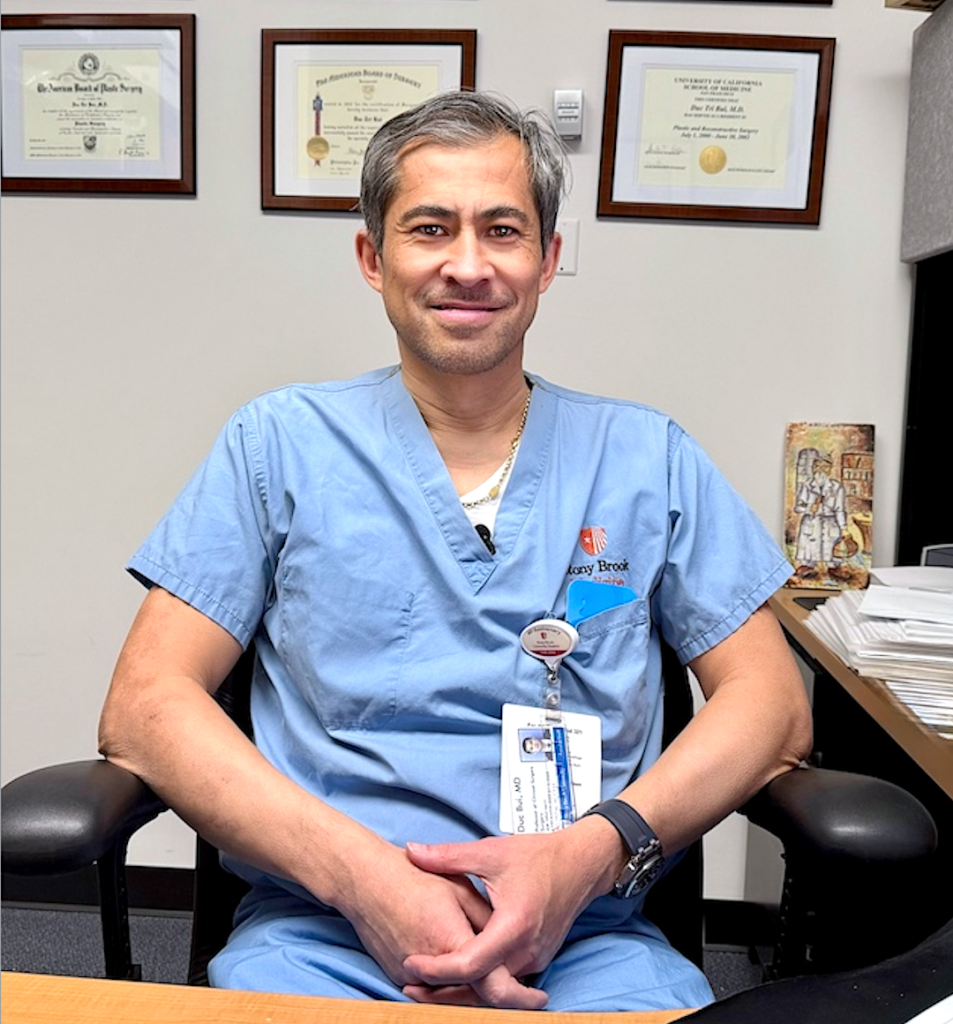
Breast reduction surgery, also known as reduction mammoplasty, is a life-changing procedure for many women. Beyond the aesthetic benefits, it often dramatically improves physical comfort, emotional well-being, and overall quality of life. If you’re considering this procedure, or just curious this guide will walk you through the most important things to know, including insights from Dr. Duc Bui, a leading plastic surgeon at Stony Brook Hospital.
My Story: Why I Chose Breast Reduction
I recently made the decision to have breast reduction surgery and my life has changed for the better. Before my surgery, I experienced constant back pain, difficulty exercising, and trouble finding clothing that fit comfortably. Many women who had the surgery shared with me that their only regret was waiting too long. For me, however, I truly felt that I had my surgery at the right time in my life.
I am incredibly grateful to Dr. Bui for not only his surgical expertise but also his kindness, thoroughness, and support throughout my journey. Thank you, Dr. Bui, for changing my life.
Who Is a Good Candidate for Breast Reduction Surgery?
To better understand who might benefit from this procedure, I asked Dr. Bui:
Dr. Bui:
“A good candidate for Breast Reduction is someone experiencing physical symptoms like back, neck, and shoulder pain, or lifestyle limitations due to the size of their breasts. It’s also common for women to seek reduction for emotional reasons, such as self-consciousness or difficulty finding clothing. Breast reduction isn’t just cosmetic—it can truly enhance daily living and health.”
Common reasons women consider Breast Reduction surgery include:
Chronic pain and poor posture
Difficulty with physical activity
Skin irritation or rashes
Emotional distress and low self-esteem
What Should Women Expect During Breast Reduction Recovery?
Recovery is an important part of the process. Dr. Bui explained:
Dr. Bui said most women need at least one to two weeks off work, depending on their job. You’ll experience swelling, some soreness, and fatigue at first. It’s important to avoid heavy lifting and strenuous exercise for about four to six weeks. We guide patients carefully through each stage of healing to ensure the best results.”
Planning ahead for help at home and allowing your body the time it needs to heal is key for a smooth recovery.
Risks and Long-Term Considerations
Breast reduction is very safe, but like any surgery, it comes with considerations. Dr. Bui shared some important insights:
Dr. Bui:
Breastfeeding after breast reduction can be possible, but it may be impacted depending on the surgical method and how much tissue is removed. Weight gain or significant hormonal changes, like menopause can also affect your breast size and shape long-term. We talk through these factors during consultations so women can make fully informed decisions.”
Women should also be aware that while results are long-lasting, aging, gravity, and life changes will naturally influence breast shape over time.
How Does Insurance Work for Breast Reduction?
One of the most common questions women have is whether breast reduction is covered by insurance because this surgery can be very expensive. This was definitely an important question for me. Dr. Bui explained that if the procedure is deemed medically necessary, many insurance plans will cover it. We help patients submit documentation showing the medical need, like chronic pain or rashes. Each insurance company has different requirements, so early verification is important.”
Factors like documented symptoms, medical history, and proof that other treatments have failed often help secure coverage.
I asked Dr. Bui what questions should you ask your Plastic Surgeon
During your consultation, it’s important to feel empowered. Here are smart questions to ask, as suggested by Dr. Bui:
Are you board-certified in plastic surgery?
How much experience do you have specifically with breast reductions?
What surgical techniques do you use, and why?
What results can I realistically expect?
How do you minimize scarring?
What should I prepare for during recovery?
What happens if there are complications?
Choosing a surgeon you trust and feel comfortable with makes all the difference.
How Menopause Affects Breast Reduction Decisions
If you’re nearing or going through menopause, you may wonder whether it’s still a good time for surgery.
Dr. Bui:
“Hormonal changes during menopause can cause the breasts to change size or lose firmness. However, many women still benefit greatly from reduction, particularly if they’re experiencing physical discomfort. During consultations, we discuss how future changes might affect long-term results and set appropriate expectations.”
Even after menopause, breast reduction can provide physical relief and improve quality of life.
Final Thoughts
Breast reduction is about much more than just aesthetics, it’s about feeling better physically, emotionally, and mentally. My personal journey, with the incredible support of Dr. Duc Bui and the team at Stony Brook Hospital, reaffirmed that this decision was one of the best I’ve ever made.
If you’re considering breast reduction, know that you’re not alone. Ask questions, gather information, and find a surgeon who listens carefully to your goals. When the time is right, this surgery can truly be life-changing.
Hamptons Mouthpiece: A Conversation with Dr. Florence Rolston: Women’s Health, Screening, and Building Healthy Habits
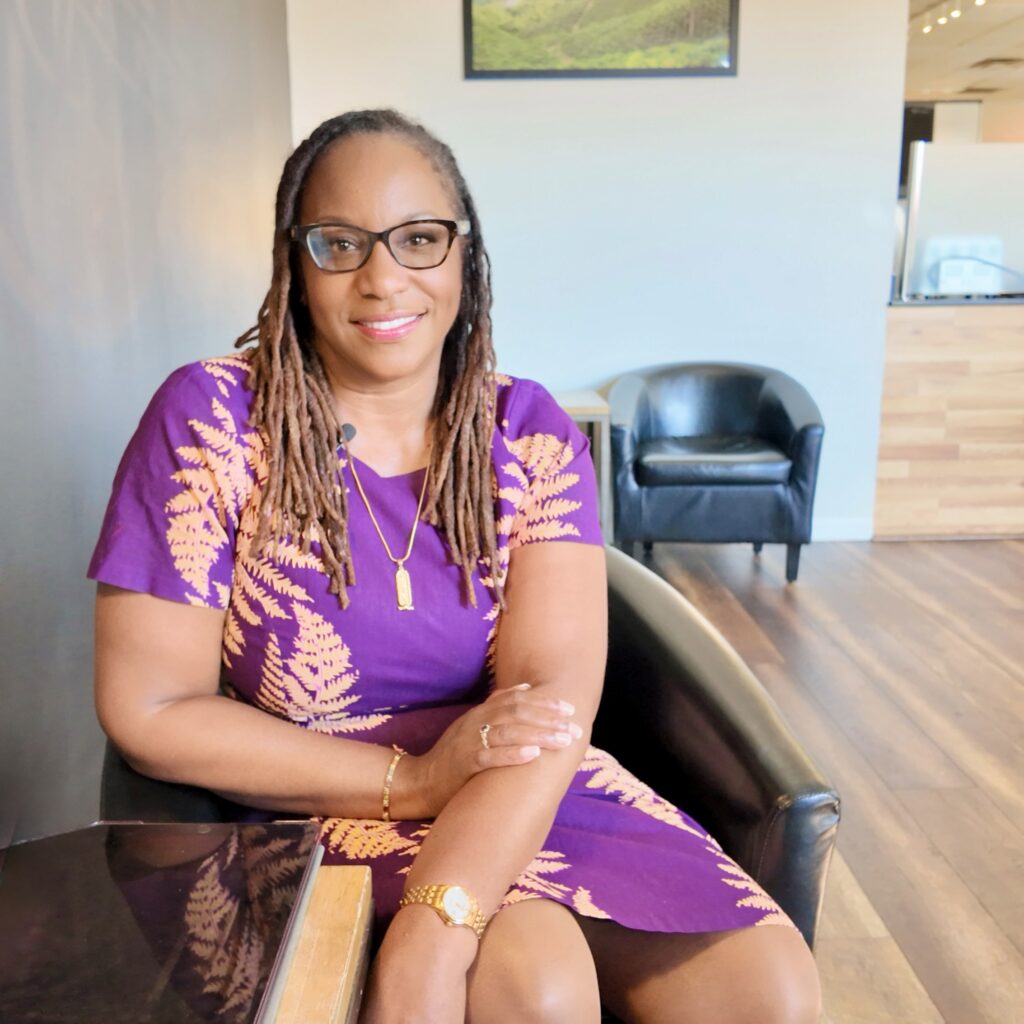
Women’s Health: When it comes to women’s health, having a trusted voice to guide you through the stages of care is essential. I recently sat down with Dr. Florence Rolston, a distinguished physician specializing in women’s health, to discuss some of the key questions many young women and their families have: When should you schedule your first gynecologic visit? Why is the HPV vaccine so important? And what habits should we all be building for better long-term health?
When Should a Woman Have Her First Gynecologic Screening Visit?
Dr. Rolston shared that the first cervical cancer screening with a Pap smear should begin at age 21.
“It’s very unusual to find significant abnormal cervical changes before the age of 21,” Dr. Rolston explained. “That’s why the recommendation is to start screening at 21.”
However, Dr. Rolston emphasized that many young women will see a healthcare provider before then — particularly for screening and prevention of sexually transmitted infections (STIs). For women under 25 who are sexually active, annual STI screening is recommended.
“In terms of general health screening, most patients continue to see their family physician or pediatrician until they transition to adult medicine providers after age 21,” she added.
When is the Right Time to Get the HPV Vaccine, and Why is it Important?
The Human Papillomavirus (HPV) vaccine has revolutionized women’s health by drastically reducing the risk of cervical cancer and other HPV-related diseases. Dr. Rolston stressed the significance of receiving the vaccine before becoming sexually active, ideally starting around ages 11 or 12.
“The HPV vaccine has been incredibly beneficial in reducing cervical cancer rates in the U.S.,” she noted. “Compared to parts of the world where the vaccine isn’t widely available, the difference is dramatic.”
HPV is a common virus with over 100 different strains, but the vaccine targets the strains most commonly linked to cervical cancer and genital warts. Early vaccination provides the best protection.
What Healthy Habits Can We Incorporate Into Our Daily Lives?
Of course, health isn’t just about vaccines and screenings. Dr. Rolston passionately advocates for simple, daily habits that can make a world of difference:
“Health maintenance starts with eating a healthy diet. What you put into your body can have a huge impact on your overall health.”
She recommends focusing on:
• Fruits and vegetables
• Whole grains
• Lean proteins
• Limiting processed foods
• Staying well-hydrated
Exercise is equally crucial — not only for physical well-being but also for mental health.
“Regular exercise supports physical strength and reduces stress, which in turn helps your immune system,” Dr. Rolston said. “Even just getting outside into nature can lower stress levels significantly.”
Finally, managing stress itself is a key pillar of good health. Whether through mindfulness, hobbies, spending time with loved ones, or being active outdoors, keeping stress under control benefits both the mind and the body.
Final Thoughts
Dr. Rolston’s advice is clear: Prevention, early screening, and building strong daily habits are the foundation for a healthier life. Whether you’re scheduling your first gynecologic visit, getting vaccinated, or choosing better foods and activities, these steps are vital investments in your future well-being.
If you have questions about women’s health screenings or vaccinations, reach out to a qualified healthcare provider like those at Stony Brook Medicine, where Dr. Rolston and her colleagues are dedicated to supporting your journey to better health.
Real Talk: January 2018: The Moment Everything Changed
In January 2018, I made a life-changing decision; I chose me. My Wellness journey: As a mother, it’s second nature to prioritize my children above all else. For years, I poured from an empty cup, thinking self-sacrifice was the ultimate expression of love. But in October 2017, someone said something that shook me to my core. I was already grieving the death of my mother, barely holding myself together, and suddenly, I found myself spiraling.
For the next two months, I tried not to fall apart. I was hurting, but I kept showing up for everyone else. And then, with the clarity that only comes from emotional exhaustion, I knew it was time to shift.
Releasing the Guilt That Wasn’t Mine
That January, I confronted someone who had haunted my thoughts for years. I released the guilt I had lived with for far too long, because I realized it wasn’t mine to carry. That confrontation marked the beginning of my wellness journey and the start of reclaiming my peace.
Soon after, I experienced a health scare with Bell’s Palsy. While it was physically and emotionally draining, I believe the mindset work I had begun helped me recover faster. Choosing to prioritize my mental wellness made all the difference.
Five Years of Mental Work
Healing the mind is an essential part of any wellness lifestyle, and this was the part of me that needed the most attention. For five years, I worked through trauma in therapy, faced my fears, and made difficult decisions to eliminate triggers in my life. It wasn’t easy, but it was necessary.
2023: A Year of Awareness and Awakening
In 2023, everything changed again. I was diagnosed with sleep apnea. That diagnosis explained so much. For years, I had struggled with fatigue, brain fog, mood swings, and stubborn weight gain, even when I thought I was doing everything “right.”
Sleep apnea can wreak havoc on your health. The lack of quality sleep affects metabolism, hormone balance, memory, and weight. Once I began treatment, I finally started to feel like myself again. My energy returned. My focus improved. And the scale started to move, not because I starved myself, but because my body was finally functioning as it should.
Starting My Fitness Journey
With my sleep under control and my mind in a better place, I felt ready to take on a new challenge: physical fitness.
I began with a full medical evaluation to ensure I could safely begin working out. With my doctor’s clearance, I hired a coach who taught me how to heal my relationship with food and embrace strength training.
Now, two years later:
I work out at least three times a week. I try hard to incorporate strength training into my week at least twice a week, sometimes I forget, and sometimes I just don’t feel like working out, and that is ok. I answer only to myself.
I have a balanced, respectful relationship with food.
I’m learning to love my body through every phase.
2024: A Life-Changing Decision Breast Reduction Surgery
This was not just a cosmetic choice. It was about freedom. For years, I had experienced back and neck pain, poor posture, and physical limitations due to my breast size. After surgery, the relief was almost immediate.
I could move more freely, breathe deeper, and feel lighter, not just physically but emotionally. My workouts became easier. My confidence grew. I felt more aligned with the woman I’ve worked so hard to become.
What’s Next: The Journey Continues
My wellness journey isn’t over; it’s evolving. This year, I’m facing new challenges and goals that are stretching me in new ways. I’ll be sharing more about that as my Wellness Journey continues, so stay tuned. I’m grateful for my husband, my incredible daughters, and my best friends who have given unconditional support during these last 8 years. I am forever grateful.
Healing isn’t linear. But it’s possible. And it all begins with one choice to put you first. Real Talk, Real People