


Some music you listen to. Funk you feel.
You know exactly what I mean. The bass line hits, your shoulders start moving and suddenly you are tapping your foot without even realizing it. Someone across the room catches your eye because they know the song too.

Now you’re both moving.
That is funk.
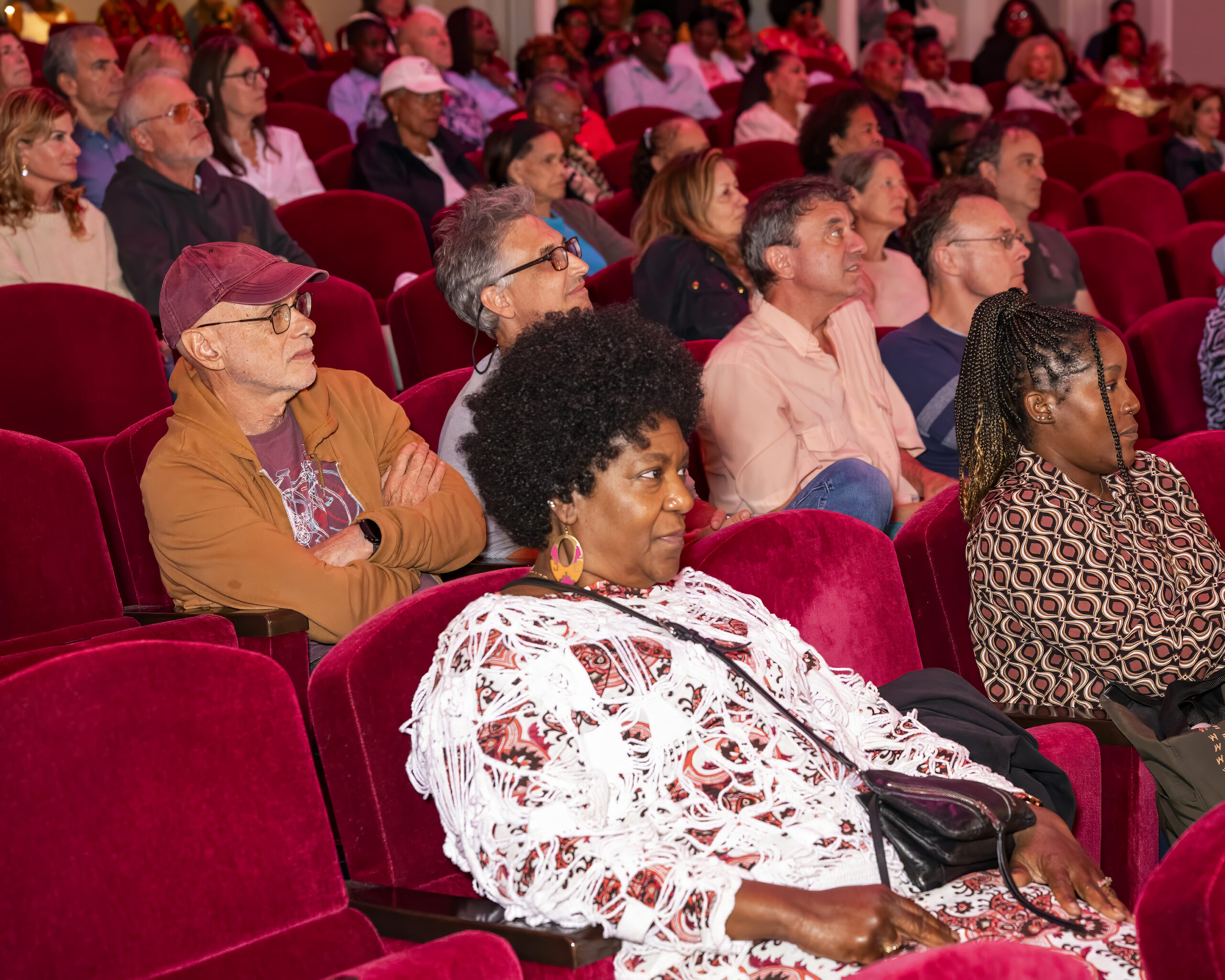
On a rainy Sunday in the Hamptons, I attended the Hamptons Black Film, Art & Culture Series, hosted by The Center in partnership with Guild Hall, for a screening of WE WANT THE FUNK!
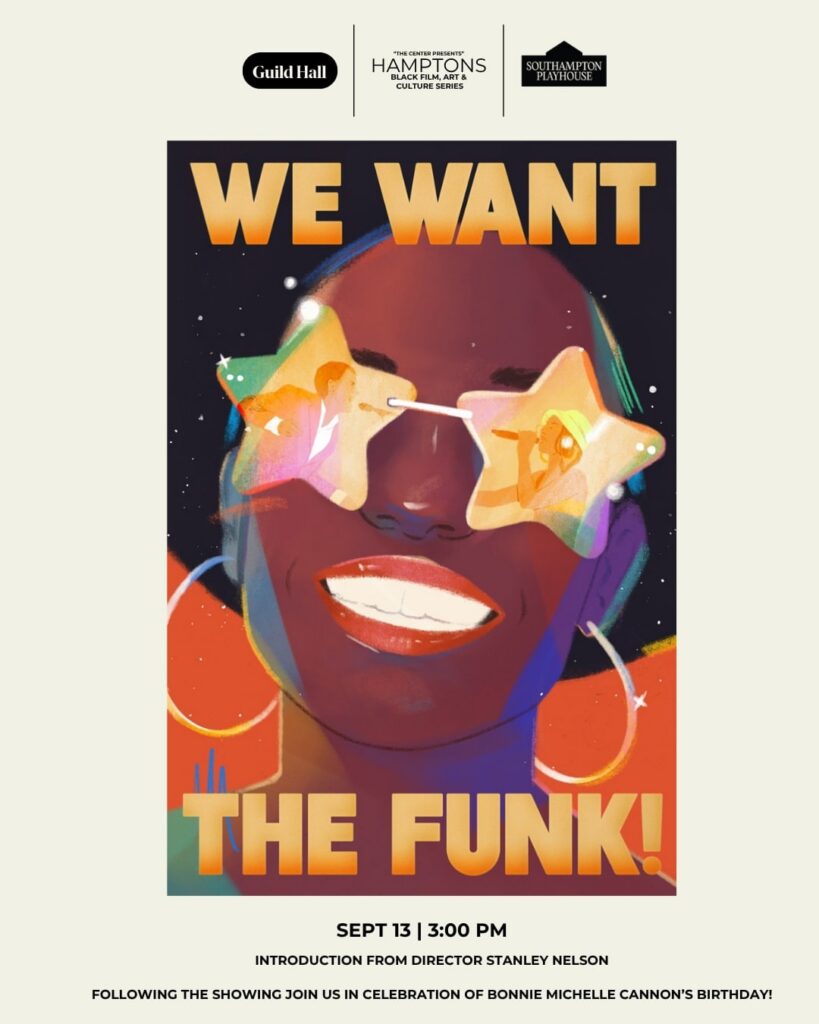
Directed and produced by acclaimed filmmakers Stanley Nelson and Nicole London, WE WANT THE FUNK! explores the roots of funk and follows that unmistakable groove through James Brown, Sly and the Family Stone, Parliament-Funkadelic, Fela Kuti, Prince and eventually hip-hop.
I went expecting a little nostalgia and some great music. What I didn’t expect was to leave thinking about how connected generations of music really are.
Especially hip-hop.
That was my rabbit-hole moment.
Funk Was More Than a Good Beat
If you grew up with funk, the music brings back memories.
James Brown. The Ohio Players. Sly and the Family Stone. Parliament-Funkadelic. Chaka Khan. Labelle. Prince.
Remember when we actually danced?
I mean really danced. No phones in our hands. Nobody stopped halfway through a song to check the video. Nobody cared about getting the perfect shot for social media.
Thank goodness for that. Some of those dance moves are probably better left undocumented.
We were having fun.
WE WANT THE FUNK! reminded me, however, that something much deeper was happening underneath that music.
Funk emerged during a period of tremendous cultural change in Black America. It was expressive, sexy, political, spiritual, creative and unapologetic.
James Brown sits right in the middle of that story. His emphasis on “the one,” the strong first beat of the measure, changed the way musicians approached rhythm.
You don’t need a music degree to understand it. Put on James Brown and your body will probably find “the one” before your brain does.
His music also carried a message.
When “Say It Loud, I’m Black and I’m Proud” arrived in 1968, those words carried enormous meaning. Black pride was being put directly into the music.
Funk could make you dance while still making a statement.
That combination of freedom, pride and joy is part of what made the music so powerful.
Everybody Wanted the Funk
One of the most interesting parts of WE WANT THE FUNK! is seeing how far the music traveled.
Funk wasn’t going to stay neatly inside one musical category, one community or even one country.
Elton John grew up in England listening to American R&B. His “Bennie and the Jets” later found an enthusiastic audience on Black radio in America, and Elton would eventually make a memorable appearance on Soul Train.
David Bowie was listening too.
American soul and funk became important influences on Bowie’s music during the 1970s. Go back and listen to “Fame”after spending some time with James Brown.
You may hear it differently.
That is what I love about music. Someone creates something in one city. Someone thousands of miles away hears it, adds something and sends it back into the world.
Then somebody else takes it somewhere new.
Prince Was Listening Too
Prince didn’t just appear in Minneapolis one morning wearing purple and decide to change music. There was a musical lineage behind him. The Midwest had become an important home for funk, with musicians and sounds moving through cities including Detroit, Dayton, Cincinnati, Chicago and Minneapolis. Prince was listening to what came before him.
Then he did what Prince did. He took funk, rock, R&B, sexuality, fashion and freedom of expression and created a musical world that was completely his own. Prince could walk onto a stage wearing something most men wouldn’t dare leave the house in, pick up a guitar and somehow make everyone else look underdressed.
That was part of the freedom of funk too. The music gave artists room to be themselves.
Did Funk Travel to Africa, or Was It Going Home?
The story becomes even richer when funk crosses the Atlantic. James Brown became enormously influential in Africa. The language may have been different, but apparently nobody needed a translation for that groove.
Nigerian musician Fela Kuti, working with drummer Tony Allen and other musicians, blended influences from American funk and jazz with African musical traditions to help develop Afrobeat.
That connection stayed with me.
African musical traditions helped shape Black American music. Generations later, funk traveled from America across the Atlantic, where African musicians heard it, transformed it and created something new.
It made me wonder:
Was funk traveling to Africa, or was part of the rhythm simply going home?
That is one of those questions that stays with you long after the credits roll.
Then Came Hip-Hop, and This Fascinated Me
I knew hip-hop sampled James Brown. I knew Parliament-Funkadelic had been sampled. What I hadn’t really stopped to appreciate was just how deeply funk lives inside hip-hop’s DNA. Those drums, bass lines and breaks became building blocks for another generation.
Young DJs took records and found the parts that made people move. They extended the break, mixed records together and created something entirely different. The turntable became an instrument. Then someone grabbed a microphone.
Hip-hop.
Suddenly, I wasn’t thinking about young people abandoning the music we grew up with. I was thinking about how they reinvented it. One generation’s records became another generation’s creative playground. That is pretty incredible when you think about it.
Funk Never Left. It Just Changed Clothes.
That may be my biggest takeaway from WE WANT THE FUNK!
Look at the musical family tree.
- James Brown changed the groove.
- Sly and the Family Stone blended funk, soul and rock.
- George Clinton and Parliament-Funkadelic took funk into Afrofuturism and the Mothership.
- Fela Kuti helped transform those influences into Afrobeat.
- Elton John and David Bowie showed how far Black American musical influence traveled.
- Prince carried funk into another generation.
- Hip-hop sampled those records and reinvented them again.
Your parents may have danced to James Brown. You may have danced to Prince. Your children grew up with hip-hop. Your grandchildren may be listening to music today that contains pieces of all three.
The music changed. The funk never left.
Real Talk, Real People: Joy Matters Too
There was another message in WE WANT THE FUNK! that stayed with me. Joy.
Funk exploded during complicated times. Black Americans were confronting racism, inequality, economic struggles and enormous social change. Still, people danced. They created. They laughed. They dressed outrageously. They imagined spaceships. They built community. They found joy. Sometimes we talk so much about struggle that we forget joy is also part of our history.
That feels relevant today.
Life gets heavy. Work gets heavy. Family gets heavy. The news can certainly get heavy. Sometimes you have worried enough, analyzed enough and carried enough. Turn up the music.
Joy doesn’t mean you aren’t paying attention to what is happening around you. Sometimes joy gives you the energy to keep going.
That is Real Talk, Real People.
Our music carries our stories. It carries our memories, culture, struggles, celebrations and pieces of who we were into the next generation. Sometimes all it takes is one bass line to bring everything back.
The Funk Didn’t Stop When the Film Ended
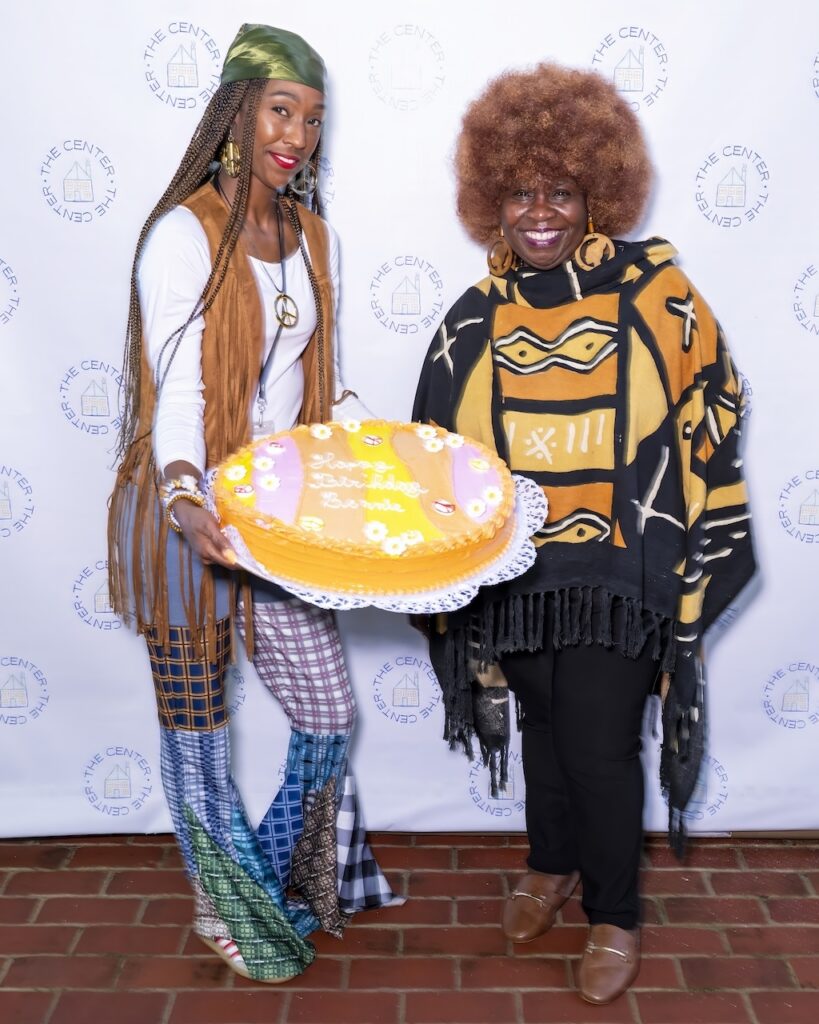
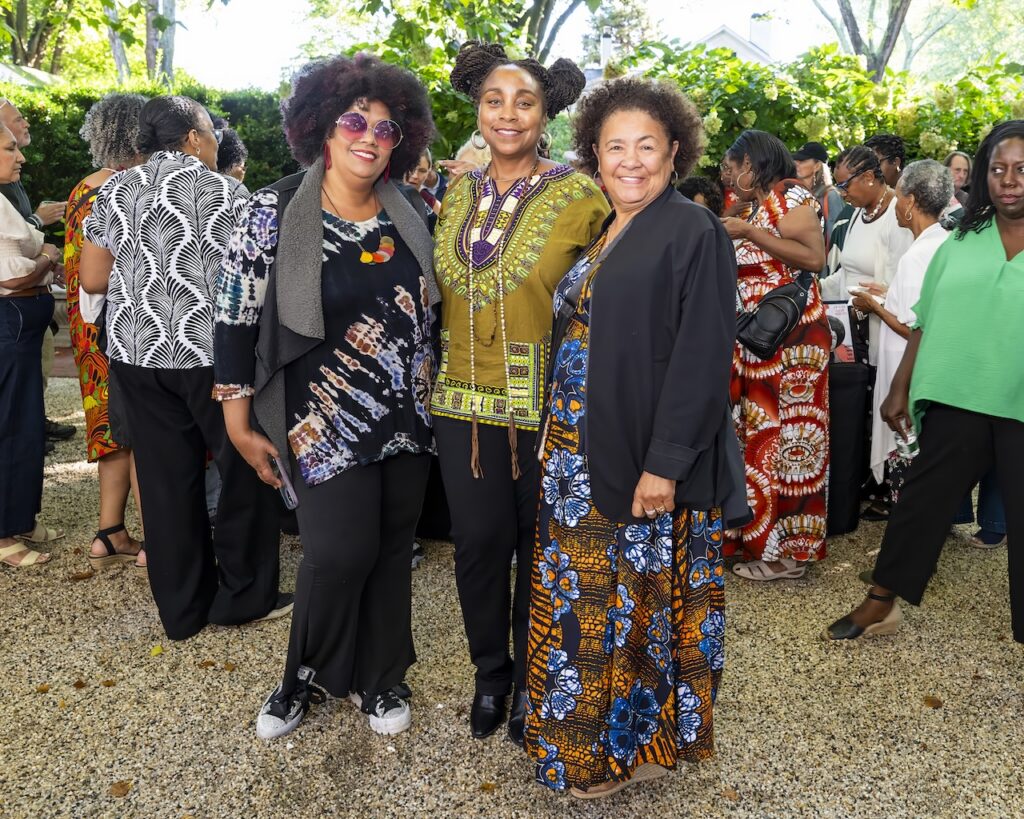
The credits rolled, but thankfully, nobody was ready to go home just yet. After the screening, attendees headed into the garden for a celebration of funk, with delicious food, conversation and, naturally, plenty of funk music. The afternoon also became a birthday celebration for The Center’s Executive Director, Michelle Bonnie Cannon.
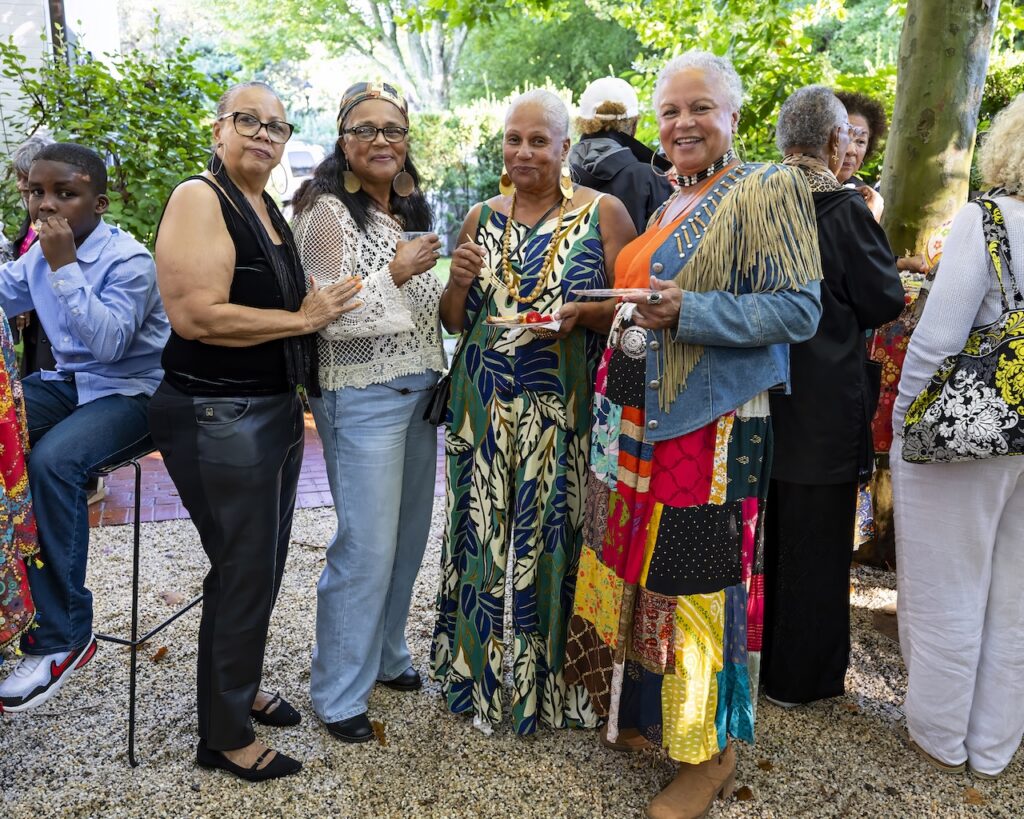
It was actually the perfect ending.
We had just spent the afternoon watching a documentary about music that brought people together across generations, cultures and continents. Then we walked outside and did exactly that. We ate, talked, laughed, celebrated Michelle and, of course, we danced. You might even catch me making an appearance on the dance floor.
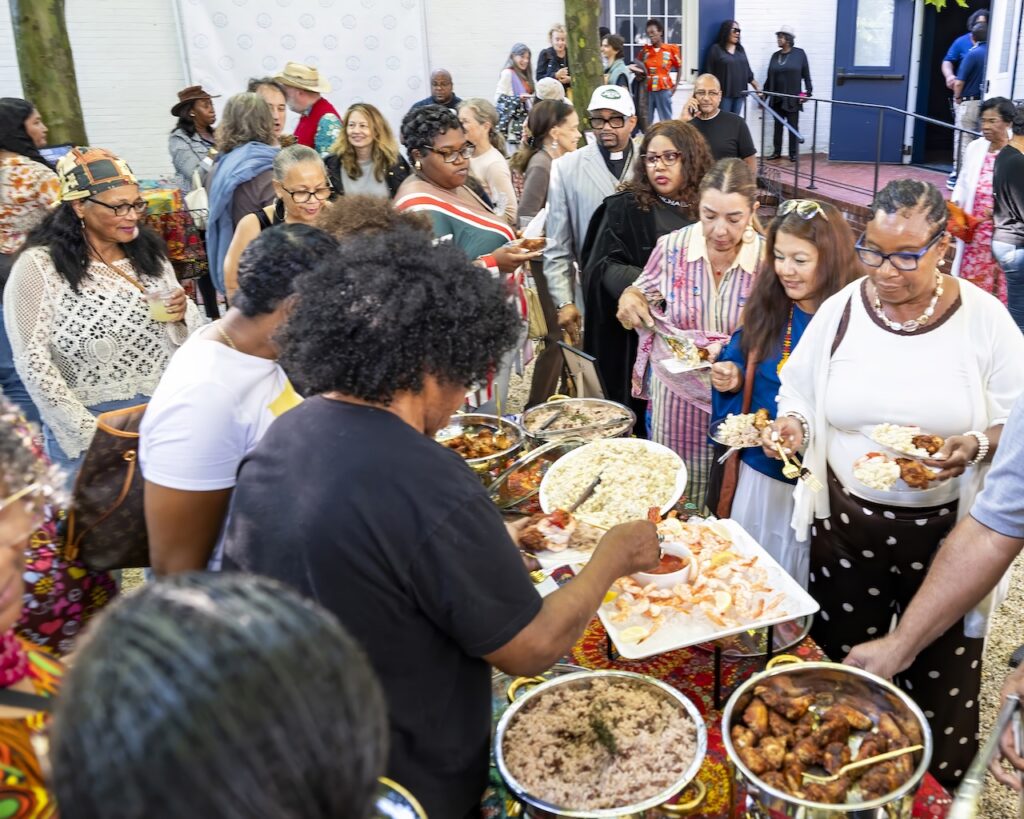
Seriously, who can sit still while funk music is playing? Certainly not I.
Can you?
That was probably my favorite part of the entire experience. The funk didn’t stay on the movie screen. It followed us into the garden and became what this music has always been about.
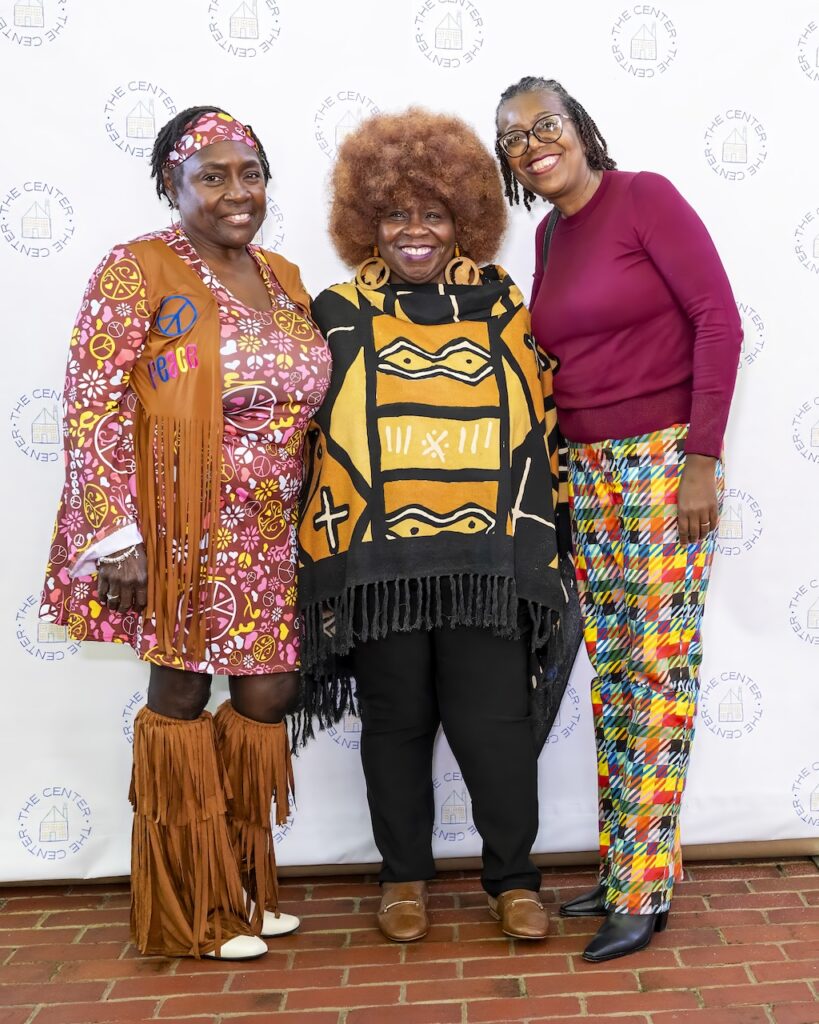
Real people. Community. Memories. Music. Joy.
What is that one funk song that comes on and instantly takes you back?



Comments are closed.