


Nearly 60 years after Dr. Chester Pierce gave us the language of microaggressions, we’re still using it because we’re still experiencing them. Maybe understanding the man behind the word can help us better understand one another.
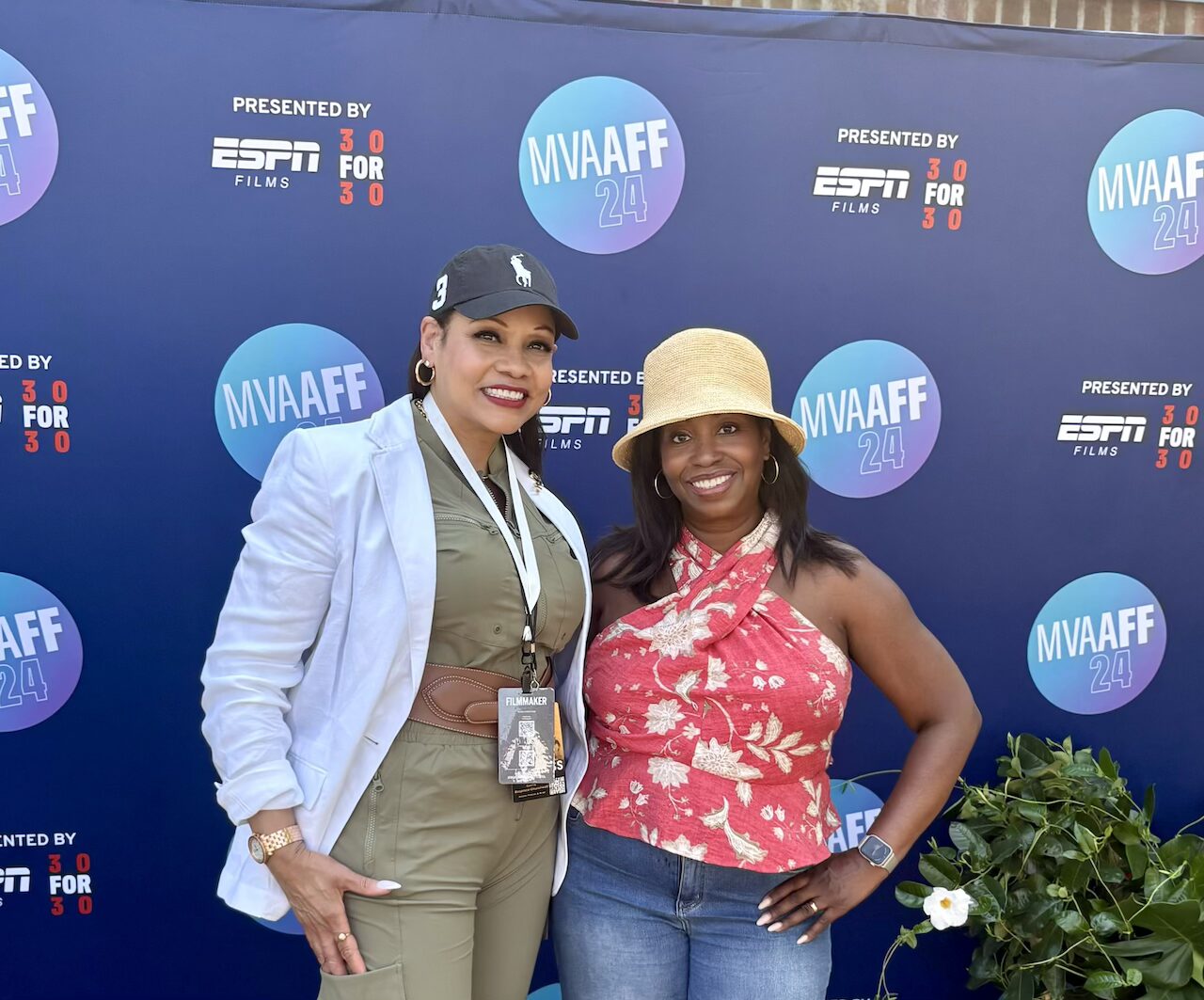
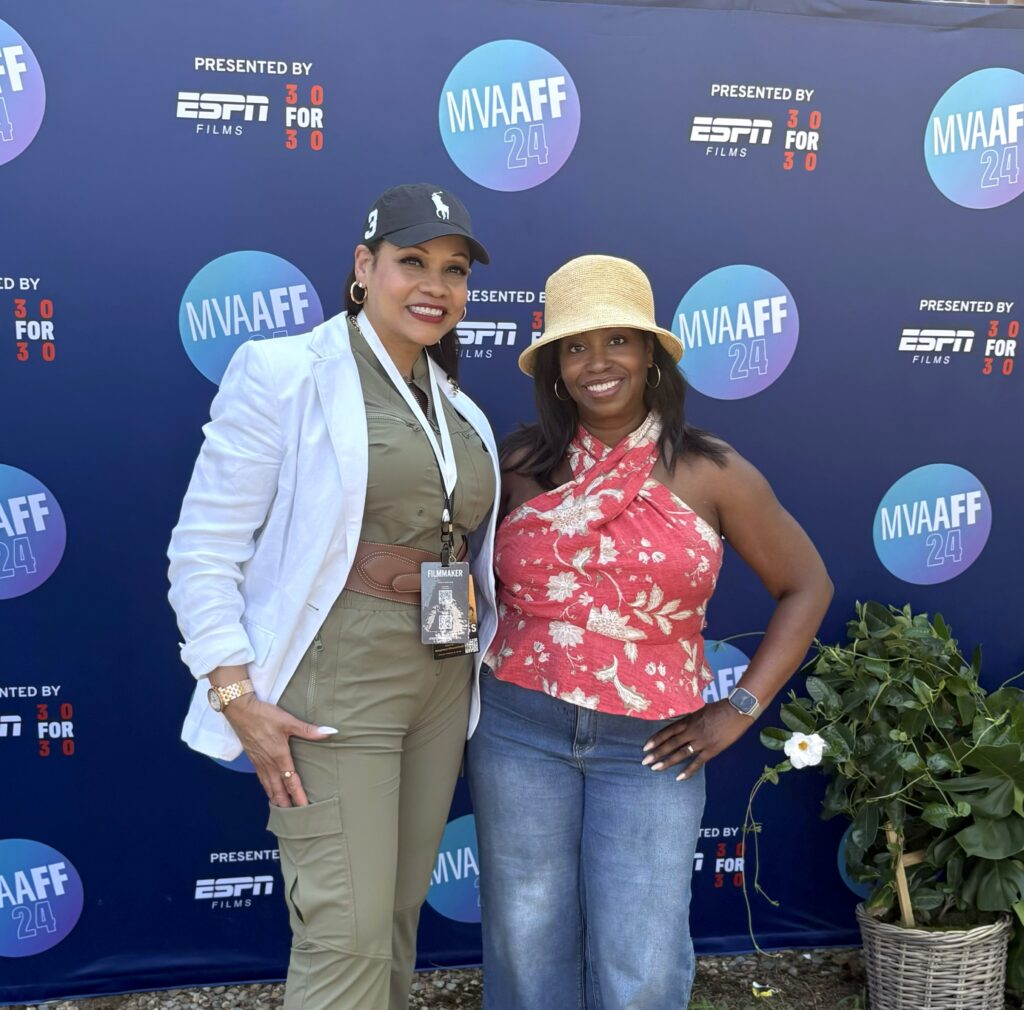
I thought I understood the word microaggressions. Then I watched LIMITLESS: The Dr. Chester Pierce Story and sat down with director and producer Gloria Respress-Churchwell during the Martha’s Vineyard African American Film Festival.
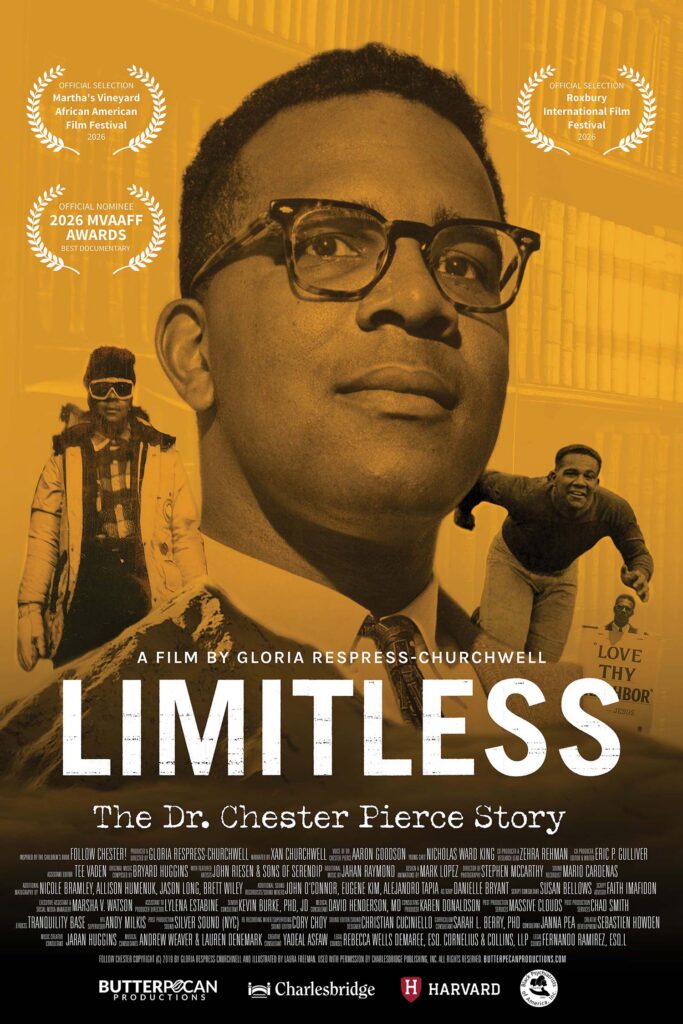
Dr. Chester Pierce was a Harvard-trained psychiatrist and physician, athlete, researcher, educator, mentor and humanitarian. His work took him from Harvard to Antarctica and even Sesame Street. Yet as impressive as his accomplishments are, I found myself thinking less about his résumé and more about the experiences that shaped the man.

What was it like to repeatedly enter spaces where he was the only Black person? How did those experiences influence his understanding of racism and human behavior? Most importantly, what can his work teach all of us today?
That’s where my conversation with Gloria became much bigger than a discussion about a documentary.
It became Real Talk for Real People.
Before He Named Microaggressions, He Lived Them
To understand Dr. Chester Pierce, Gloria told me, you have to understand his parents. His mother believed deeply in community and service, while his father worked at the Nassau Country Club and had limited formal education but tremendous awareness. People sometimes spoke freely around him as though he weren’t there. He listened, absorbed what he heard and brought those lessons home to his sons, helping them understand how to navigate spaces that weren’t always designed to welcome Black men.
All three sons eventually attended Ivy League schools. Chester chose Harvard.
Some of the lessons his parents taught had nothing to do with academics. Gloria shared that Pierce was taught never to pose for a photograph with his arm around a white woman. That may sound unimaginable today. For a young Black man of his generation, it was a lesson about safety. Those experiences matter when we consider the man who would eventually give us language for something many people experienced but couldn’t always explain.
What Exactly Is a Microaggression?
This was the part of my conversation with Gloria that I really wanted to understand.
I told her I’ve always struggled somewhat with the word micro. There can be nothing small about repeatedly experiencing something that makes you feel as though you don’t belong.
Gloria explained that blatant discrimination is usually easier to recognize. A racial slur is obvious. Segregation is obvious. A microaggression can be much more subtle. It might be a comment, assumption or behavior that communicates something about a person’s race or identity without anyone explicitly saying it. Sometimes you leave the interaction wondering:
Did that really happen? Did they mean it that way? Am I reading too much into it?
The person on the other side of the interaction may be thinking something entirely different:
That’s not what I meant at all.
That is where I believe we have an opportunity for conversation.
Understanding microaggressions doesn’t require us to assume that every uncomfortable interaction is racist, nor does it require us to assume that every person who commits a microaggression intended to hurt someone.
It asks us to consider something more nuanced:
Can our intentions be different from the impact of our actions?
Two People Can Experience the Same Room Differently
I shared something with Gloria that I’ve experienced many times. I can walk into a room filled almost entirely with white people and immediately recognize that I’m the only Black person there. A white friend can walk into that same room beside me and never notice. Neither one of us has done anything wrong. We’re simply experiencing the same room through different histories. My awareness comes from having spent a lifetime noticing when I’m the only one. My friend may never have needed to develop that awareness.
Pierce knew that experience well.
One image in LIMITLESS shows him with his Harvard football teammates. He is the only Black man. During his junior year, Harvard traveled to the University of Virginia to play football in the Jim Crow South. Pierce encountered segregation that many of his teammates from the North had never personally experienced. His teammates could enter through the front. Pierce could not. When he was required to use another entrance, Gloria told me his teammates followed him.
I loved learning that.
They couldn’t experience racism exactly as Pierce did, but they could recognize that their friend was being treated differently and choose how they responded. To me, that’s an early example of something we talk about frequently today: allyship. Sometimes allyship isn’t knowing exactly what to say. Sometimes it’s simply deciding not to leave someone standing alone.
When a Small Moment Has a Larger Impact
This conversation became personal for me. My husband and I moved to Sag Harbor year-round to raise our daughters in 2001. We loved the community, but our experience also came with challenges. Our oldest daughter was one of only two Black students in her grade. In high school, she was earning grades in the 90s. When students were being considered for AP English, the teacher who would teach the class told us she couldn’t recommend our daughter because she would be the “weakest link.” I remember being confused.
If her grades demonstrated that she could handle the work, why wasn’t she considered ready?
I can’t tell you what that teacher intended. I don’t know what was in her mind, and I think that’s important to acknowledge.
I can tell you about the impact.
My husband and I worried that our daughter wouldn’t be supported in that classroom, so we decided not to place her in the class.
At the time, we believed we were protecting her. Looking back, I can also recognize that her classmates who took AP courses received academic preparation she didn’t have before entering college.
That’s one way I understand microaggressions today.
The moment itself may appear small to someone on the outside, but sometimes that moment influences a decision, the decision affects an opportunity, and the impact continues long after the original conversation has ended.
“I Didn’t See It”
One of the most difficult parts of talking about microaggressions is that another person may genuinely not see what you see. I’ve heard, “I didn’t see that.” Maybe they didn’t. The problem comes when “I didn’t see it” becomes “therefore it didn’t happen.”
There’s a difference.
Gloria and I kept returning to one word during our conversation: empathy. Empathy doesn’t require us to have identical experiences. It doesn’t even require us to immediately understand everything someone else is feeling.
It asks us to remain curious.
- What happened?
- Why did that affect you that way?
- Is there something about this experience that I’m not seeing?
Those questions create room for conversation instead of immediately putting two people on opposite sides.
Racism, Mental Health and Resilience
Pierce understood that repeated experiences with racism could have psychological consequences, which made me wonder about something much more personal.
What did all of this do to him?
Gloria couldn’t definitively answer that question. Pierce wrote and spoke about racism, mental health and microaggressions, but she hadn’t uncovered much where he explicitly discussed his own emotional wounds. That left us wondering whether a Black psychiatrist of his generation would have felt comfortable publicly acknowledging that vulnerability.
We may never know.
What we do know is that Pierce continued moving forward.
I asked Gloria whether our celebration of Black resilience can sometimes cause us to overlook why that resilience was necessary in the first place.
Her answer offered an interesting perspective. Racism is something another person can do to you. Resilience is something you can control.
Pierce couldn’t control another person’s prejudice, but he could decide whether it would determine the boundaries of his life.
He became a physician and psychiatrist, conducted research in Antarctica, contributed to Sesame Street and mentored generations of people.
Still, resilience doesn’t necessarily mean an experience didn’t hurt.
It means you found a way to keep moving.
Why This Conversation Still Matters
Nearly 60 years after Dr. Chester Pierce gave us the language of microaggressions, we’re still using it because we’re still experiencing them.
That doesn’t mean we haven’t made progress.
Gloria pointed to mental health as one example. Conversations about therapy, anxiety, trauma and emotional wellness are far more open today than when Pierce entered psychiatry, including within Black communities.
There is also greater awareness of how our different backgrounds can shape the way we experience the same schools, workplaces, neighborhoods and social spaces.
Maybe the next step isn’t arguing over whether every interaction qualifies as a microaggression.
Maybe it’s becoming more comfortable asking questions.
Understanding a microaggression doesn’t require a white person to feel guilty for being white, just as sharing an experience with racism doesn’t require a Black person to prove what another person intended.
- There is room between those two positions.
- That room is where listening happens.
- It’s where someone can say, “I didn’t realize you experienced it that way. Tell me more.”
- It’s where another person can explain without automatically assuming the listener is incapable of understanding.
- It’s where empathy begins.
That is what stayed with me after watching LIMITLESS: The Dr. Chester Pierce Story and talking with Gloria. Dr. Chester Pierce gave us more than a word. He gave us language that can help us talk about experiences that are sometimes difficult to see, explain or understand. Nearly six decades later, perhaps the goal shouldn’t simply be to decide who is right or wrong. Maybe we should start by trying to understand what the other person sees.
That’s a conversation worth having. Real Talk. Real People.




Comments are closed.