


What I Learned by Listening to Autistic Adults, Families and Researchers
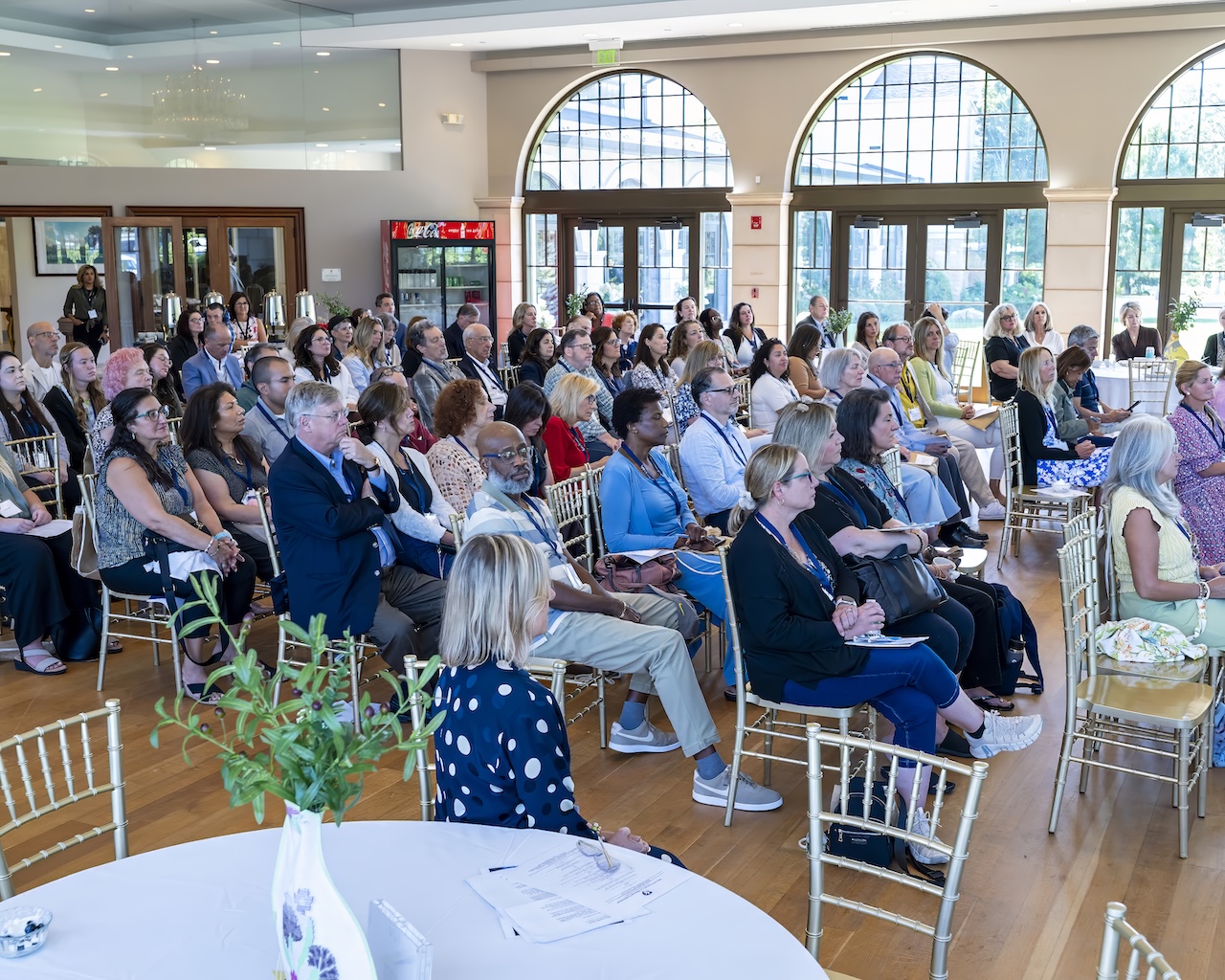
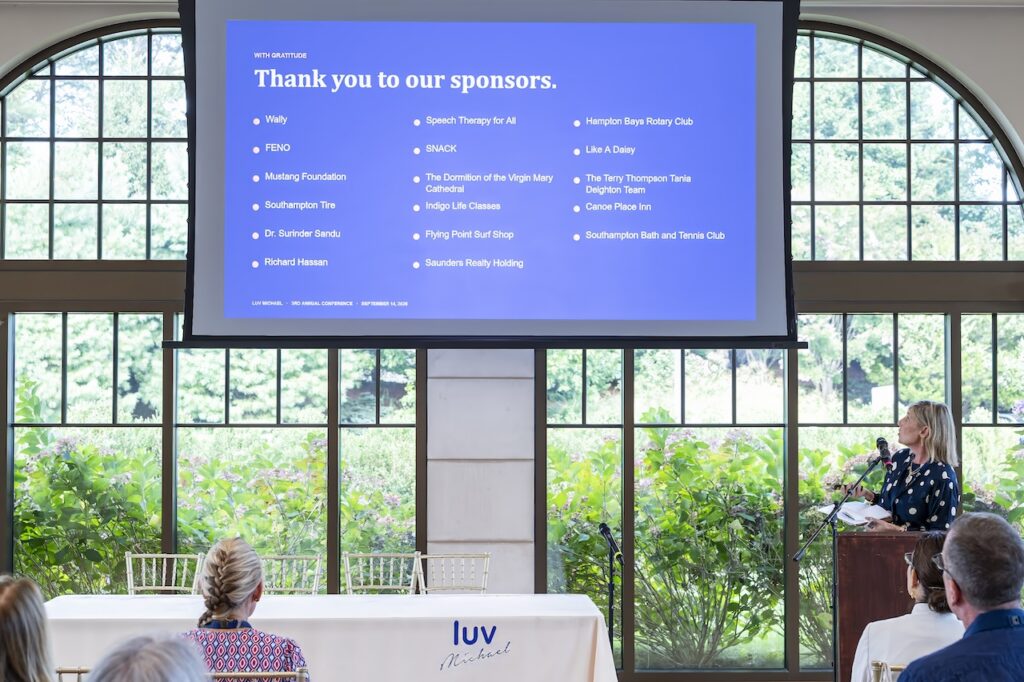
I attended the Luv Michael conference with one goal: to listen. I wanted to better understand what families raising autistic children experience, what autistic adults want us to understand, and whether all the autism research we hear about is actually making a difference in people’s everyday lives.
I left thinking about something much simpler than genetics or laboratory research: independence. What does independence look like when going to the dentist can feel overwhelming? What happens when an autistic child becomes an adult? What if someone can speak beautifully in front of an audience, yet struggles privately with anxiety, sensory overload or completing everyday tasks? Most importantly, are we listening to autistic people themselves? Those questions stayed with me.

There Is No Single Autism Experience
One of the first things I learned is something we all need to understand: there isn’t one autism experience. During the research presentation, autism was compared to cancer in one specific way. Cancer is not one disease with one cause or one treatment. Autism is also incredibly diverse. Some autistic people live independently. Some need daily support. Some speak. Some are nonspeaking. Some have intellectual disabilities, while others do not. Some have additional medical conditions.
Researchers are increasingly looking at autism through a more personalized lens. Genetics may be part of the picture. Biology, development, environment and individual health may also matter. The increase in autism diagnoses is complicated, too. Greater awareness, broader access to services, changes in diagnostic practices and improvements in recognizing autism have all contributed to more people being identified. There is rarely a simple answer to a complicated question.
What Can Genetics Tell Us About Autism?
Autism can have a strong genetic component, but that does not mean scientists have discovered one “autism gene.” Researchers are studying many different genetic variations. Some may have relatively small effects, while rarer genetic changes can have larger effects. Some are inherited, while others occur spontaneously, known scientifically as de novovariants.
What surprised me was how much genetics can tell us and how much it still cannot. Genetic information may help researchers identify biological pathways, understand certain medical risks and give some families useful information. It cannot tell parents exactly who their child will become or predict someone’s personality, abilities, independence or future. It also cannot be used to simply blame one parent.
Environmental influences are also being studied, including parental age, premature birth, pregnancy complications, maternal health, certain prenatal exposures and air pollution. One point was emphasized: association does not mean causation.
The presentation also addressed vaccines. Current scientific evidence does not support vaccines as a cause of autism. Researchers continue to investigate infections, immune responses and other environmental factors that could potentially interact with genetic susceptibility. Some of those ideas remain hypotheses requiring much more research. I appreciated hearing that distinction. Science should be able to say, we don’t know yet.
A Trip to the Dentist Changed How I Thought About Accessibility
One of the simplest examples of the day may have taught me the most.
A dental professional described caring for an autistic patient who had difficulty tolerating a traditional dental appointment. Think about the experience: bright lights, unfamiliar smells, equipment noises, water, vibrations, someone touching your face and being asked to remain still. Many of us find the dentist uncomfortable. Imagine experiencing those sensations with heightened sensory sensitivity while struggling to communicate what is bothering you.
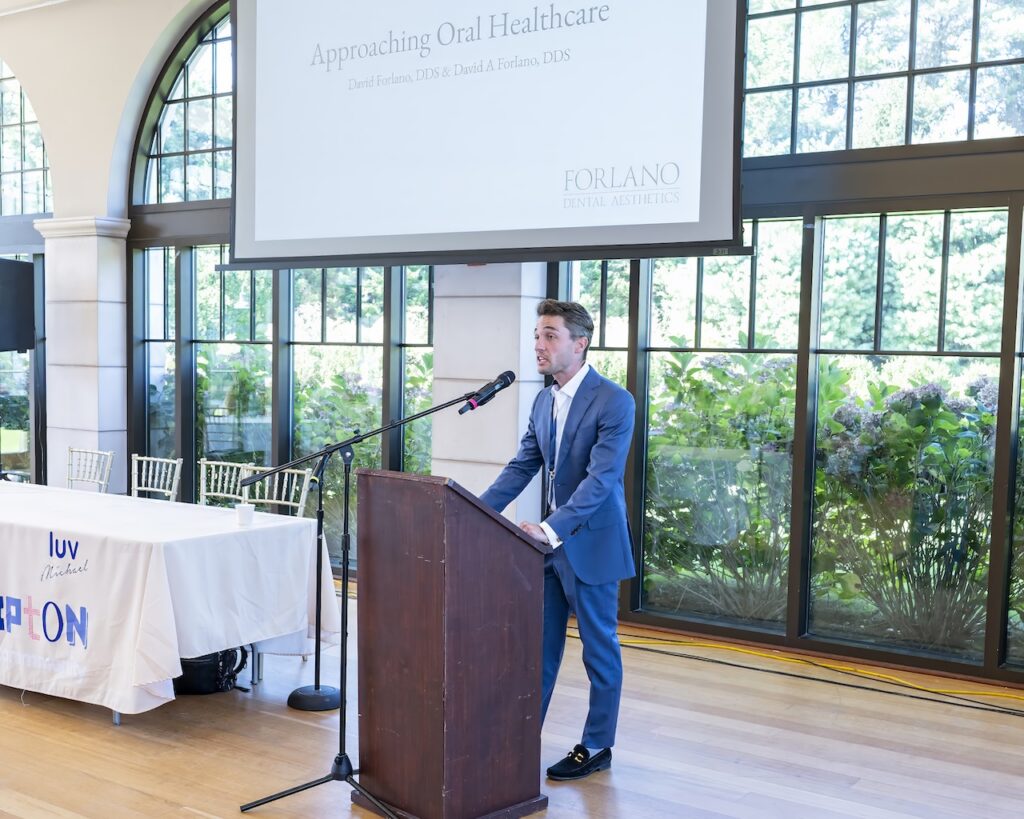
The dental team didn’t force the patient through a traditional appointment. They slowed everything down. One visit might involve sitting in the chair. Another might introduce the overhead light. Instruments, sounds, water and vibrations were introduced gradually. Some appointments were extremely short.
My first thought was how much patience that must require. Then I realized I was thinking about it the wrong way.
The patient wasn’t failing to adapt to healthcare. Healthcare was learning how to adapt to the patient.
That is accessibility.
Listening to an Autistic Adult Changed the Conversation
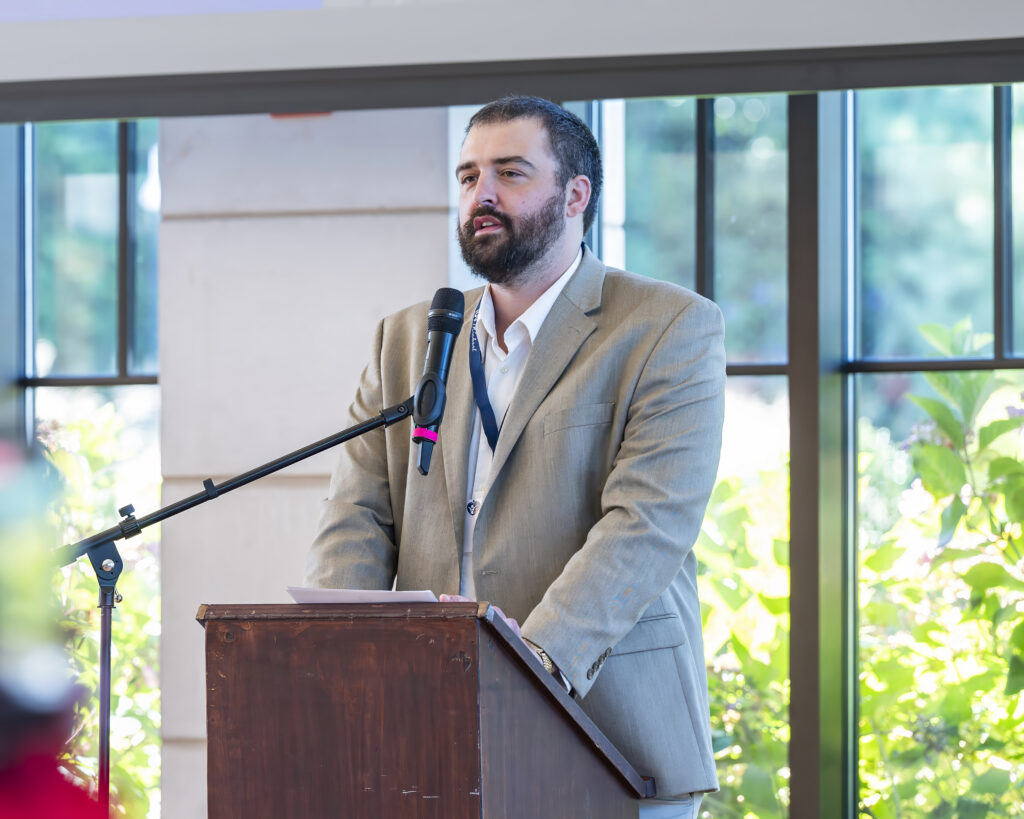
Research can explain a great deal. Hearing an autistic adult describe his own life gave the research meaning.
He spoke openly about executive functioning, anxiety, sensory overload and difficulty making decisions under pressure. He explained how someone can know that something needs to be done yet struggle to make their mind and body begin the task. He also described a period when managing his apartment, maintaining responsibilities and working became overwhelming.
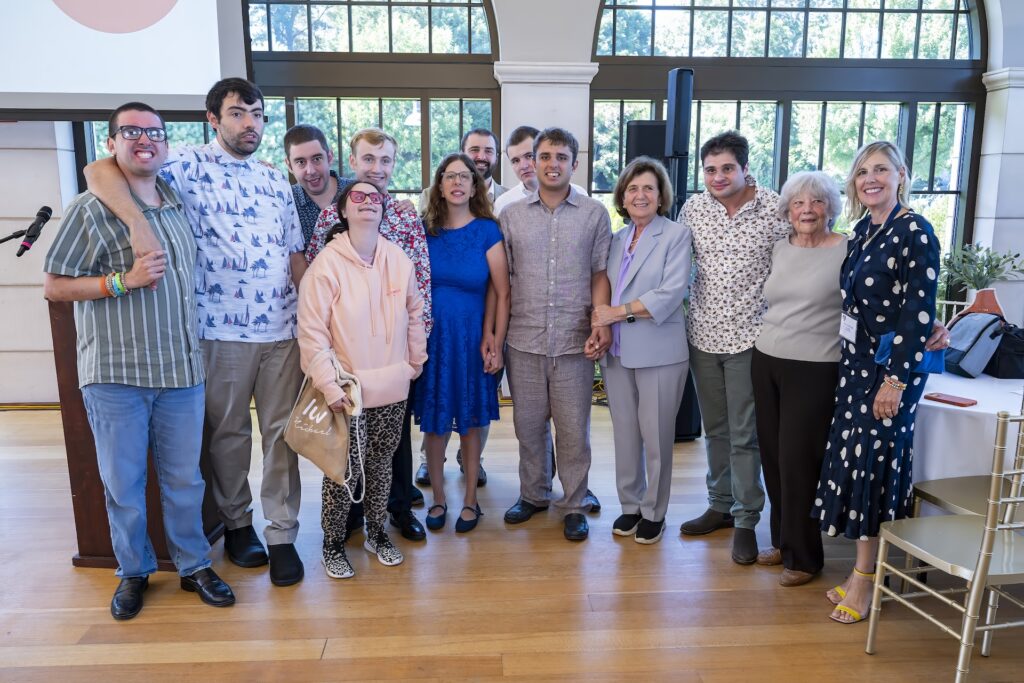
What struck me was that many people meeting him might never recognize those challenges. He speaks for himself. He teaches. He advocates. He participates in his community. His disability can sometimes be invisible. That doesn’t mean the challenges disappear.
It also changed the way I thought about independence. We often describe independence as needing no help. Most of us rely on other people in some way. We call friends, ask family members for advice, hire people to help us and lean on our communities. Support does not erase independence. For some autistic adults, the right support can make greater independence possible.
The speaker talked about finding community and mentorship. He began teaching classes about things he enjoys, including Montauk, chess and board games. He also became an advocate, even speaking at a public meeting about housing and what independence means from his perspective as an autistic adult.
His voice mattered.
What Happens When Someone Cannot Tell Us What They Need?
He raised another question that has stayed with me: What about autistic people who cannot stand at a microphone and explain what they need?
He spoke about wanting to advocate for people with higher support needs, including nonspeaking autistic individuals and people who communicate differently.
Imagine knowing something hurts, feeling frightened or overwhelmed, yet not being able to put that experience into words other people understand. A behavior we interpret as “acting out” may sometimes be communication. It could mean pain, fear, sensory overload or simply, “Something is wrong and I don’t know how to tell you.”
That is why communication research matters. It is also why listening matters.
His Dreams Sound Familiar
Then he talked about his future. This was the part that brought everything together for me. He wants to work and support himself. He wants his own apartment. He hopes to meet someone, get married and have a family. Those aren’t unusual dreams. They are the same hopes many people have for their lives.
Autism does not erase someone’s desire for love, purpose, belonging, meaningful work or a home of their own. The question becomes whether our communities are creating enough pathways for those dreams to become possible.
This is where the work of Luv Michael became even more meaningful to me. Employment is more than a paycheck. Work can provide routine, responsibility, confidence, friendships, purpose and belonging.
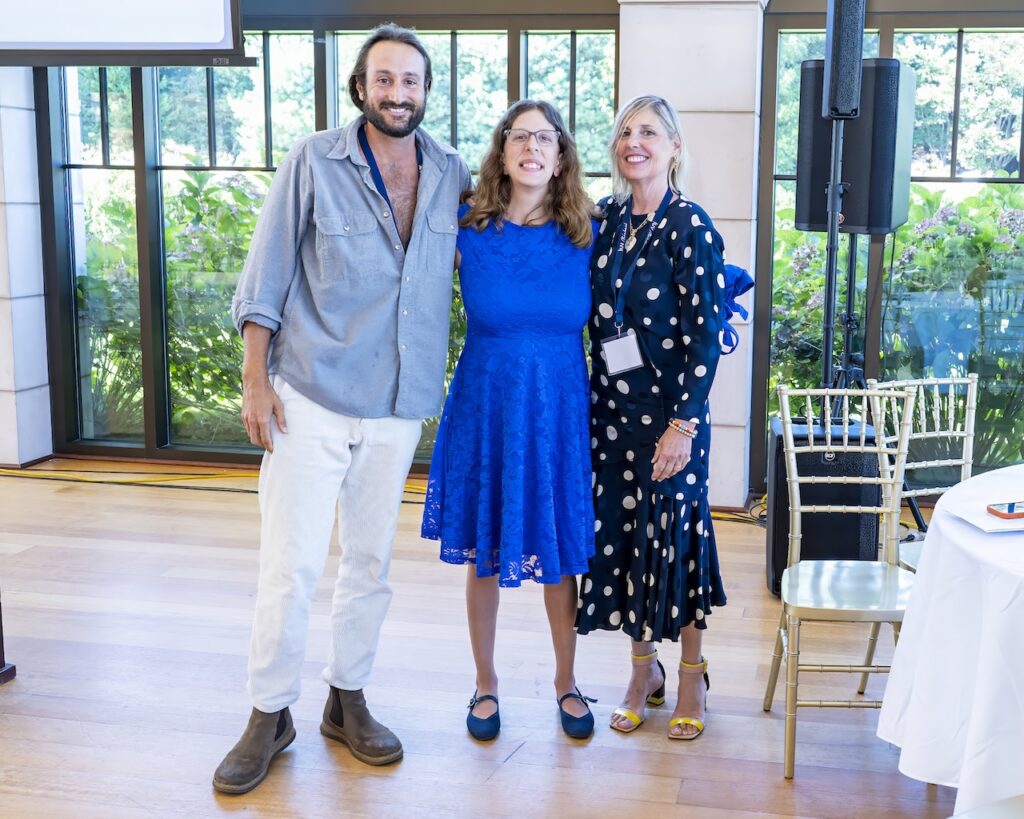
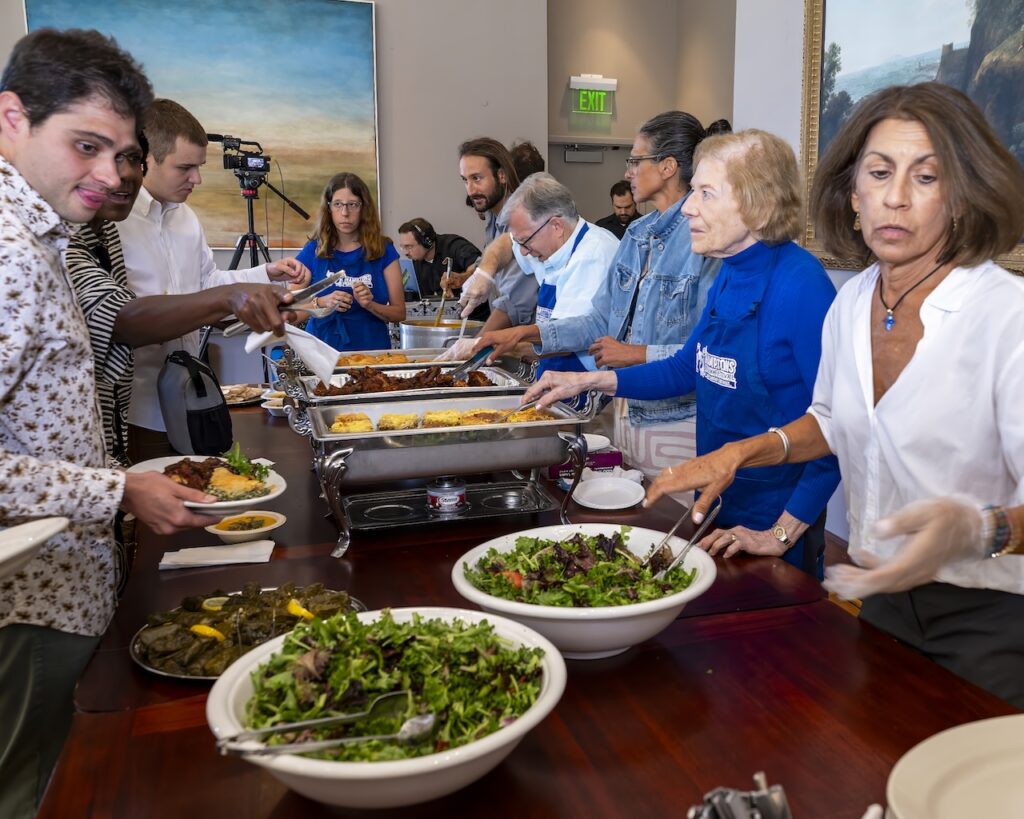
There was also a real sense of community throughout the day. Dormition of the Virgin Mary Cathedral, a faith-based partner of Luv Michael, helped provide a welcoming space for the event. The kitchen did an amazing job, and the food was amazing. Everything was prepared fresh by the chef that day and served with care. It may seem like a small detail in a conference centered on autism, research and independence, but hospitality matters. Sharing a meal has a way of bringing people together, and that warmth was very much part of the experience.
Families are also thinking about questions that many of us may never have considered. What happens after school? What happens when parents get older? Where will my child live? Will they have friends? Will they have meaningful work? Who will understand them?
Those aren’t abstract questions. They are questions about someone’s future.Autism Research Has to Follow Children Into Adulthood
Historically, much autism research has focused on children. Autistic children grow up.
Researchers are increasingly examining adult health, housing, employment, communication, relationships, safety and aging. They are also studying medical issues that may occur alongside autism, including gastrointestinal problems, sleep difficulties and epilepsy.
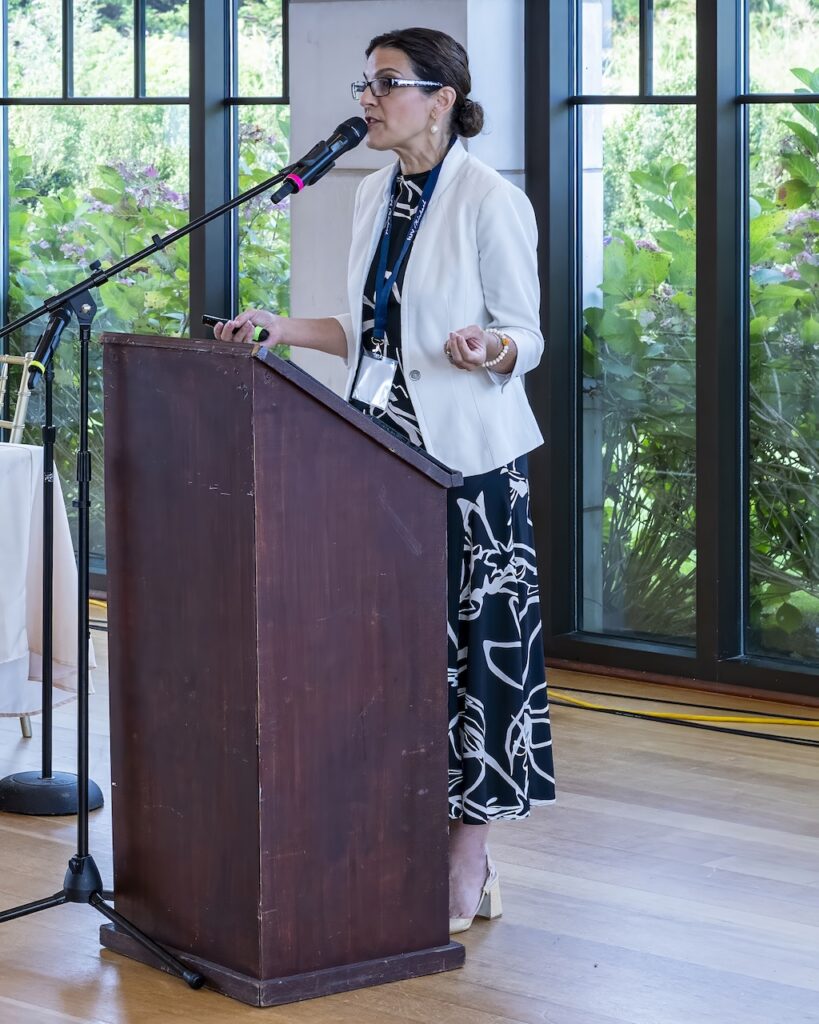
Researchers from the Masonic Medical Research Institute, or MMRI, also shared some of the work happening in their laboratories. Scientists can take cells from an individual and reprogram them into stem cells, which can then be developed into different types of cells for study. Researchers can create three-dimensional structures called brain organoids, laboratory models that allow scientists to study aspects of how brain cells develop and communicate.
If researchers identify a particular genetic change, they may be able to study how that change affects cells and biological pathways. That creates another question: Can understanding what is happening biologically eventually lead to an intervention that improves someone’s life?
MMRI researchers discussed projects involving specific genetic mutations, possible interactions between environmental exposures and genetic susceptibility, the gut microbiome, adult quality of life, and PANS and PANDAS. The projects are very different, which reinforces one of the biggest lessons of the day.
There isn’t one autism question to answer.
When Does Autism Research Really Matter?
After listening to the presentations, I don’t think the goal can simply be finding another gene or publishing another study.
Research matters when it reaches people.
Can someone communicate that they are in pain? Can someone receive dental care without being traumatized? Can an adult find meaningful employment? Can someone live safely in their own home? Can families get better answers? Can a nonspeaking person have a reliable way to communicate what they need? Can an autistic adult grow older with dignity, support and choices?
Those are outcomes people can feel.
I Came to Learn About Autism. I Left Thinking About Humanity.
I did not attend this conference as a scientist, physician or autism expert. I attended as a journalist, a mother and a person who wanted to understand.
There is still so much I don’t know. There is also so much science doesn’t know. What became clear to me is that autistic people cannot be reduced to statistics, diagnoses or debates about what causes autism. They are children who grow into adults. They are employees, teachers, neighbors, advocates, sons, daughters, friends and community members. Some may need a little support. Others may need significant lifelong support.
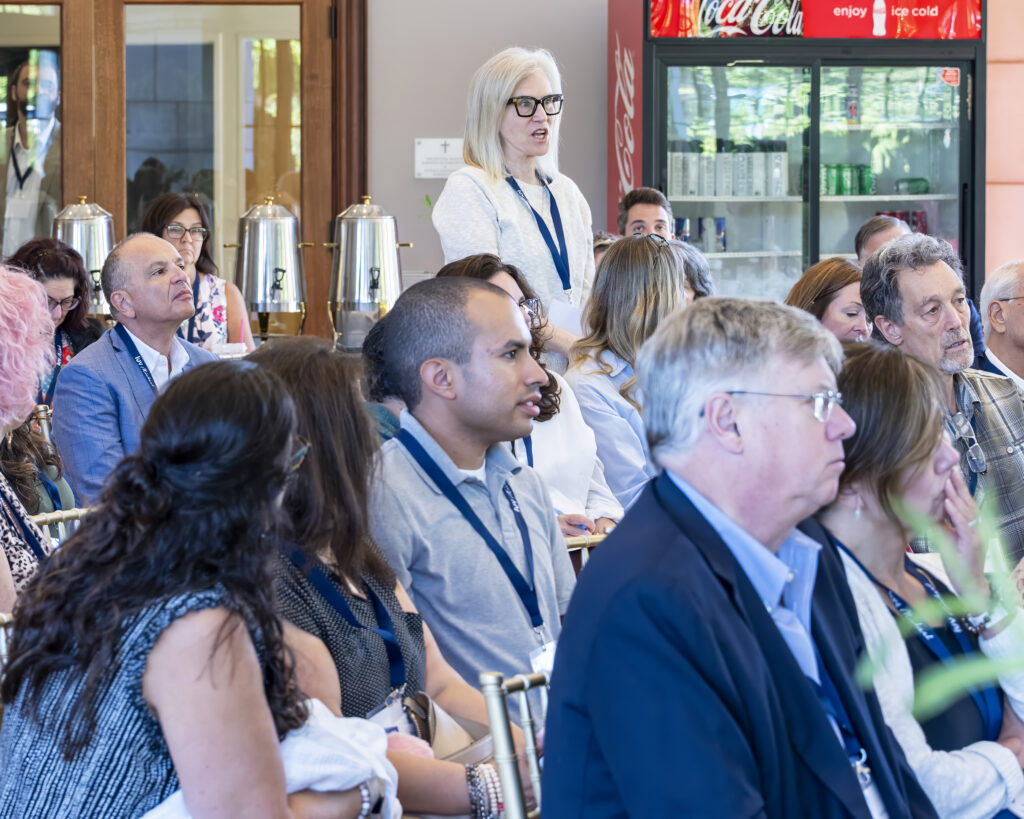
Every person deserves to be seen. Every family deserves to be heard. Every person deserves the opportunity to communicate in whatever way works for them.
Research is important. Housing is important. Employment is important. Healthcare is important. Perhaps the most important thing we can do first is listen.
That is where understanding begins.
Real Talk. Real People. Real lives.
other articles to read: https://hamptonsmouthpiece.com/luv-michael-real-families-and-a-community-that-said-yes/



Comments are closed.