


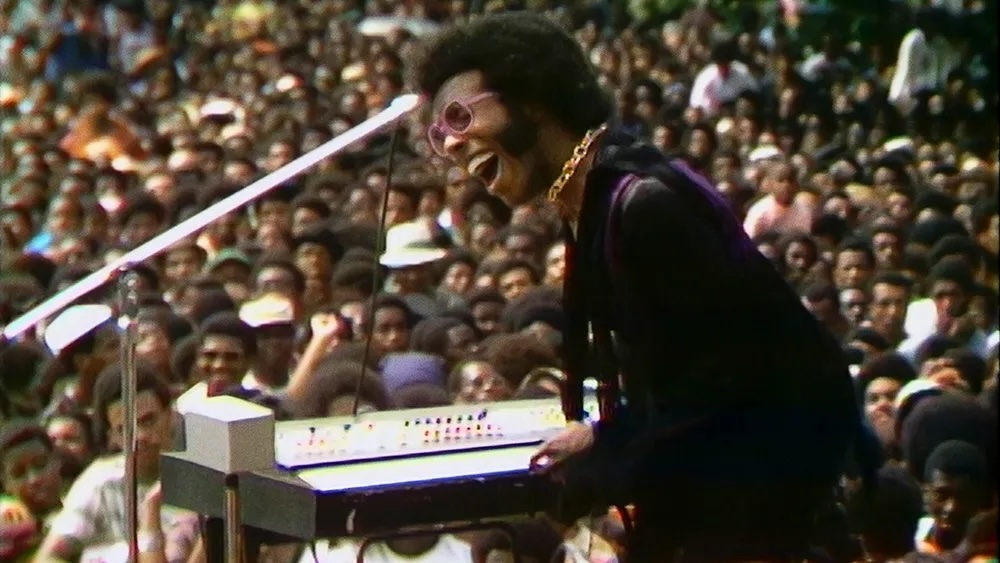
Imagine seeing Stevie Wonder, Nina Simone, Gladys Knight and Sly & the Family Stone in your neighborhood park. Now imagine telling people about it years later and having them question whether it really happened. With that lineup, I understand wanting receipts. Fortunately, someone had a camera, and the Summer of Soul documentary brings that remarkable moment in Harlem’s history back into view.
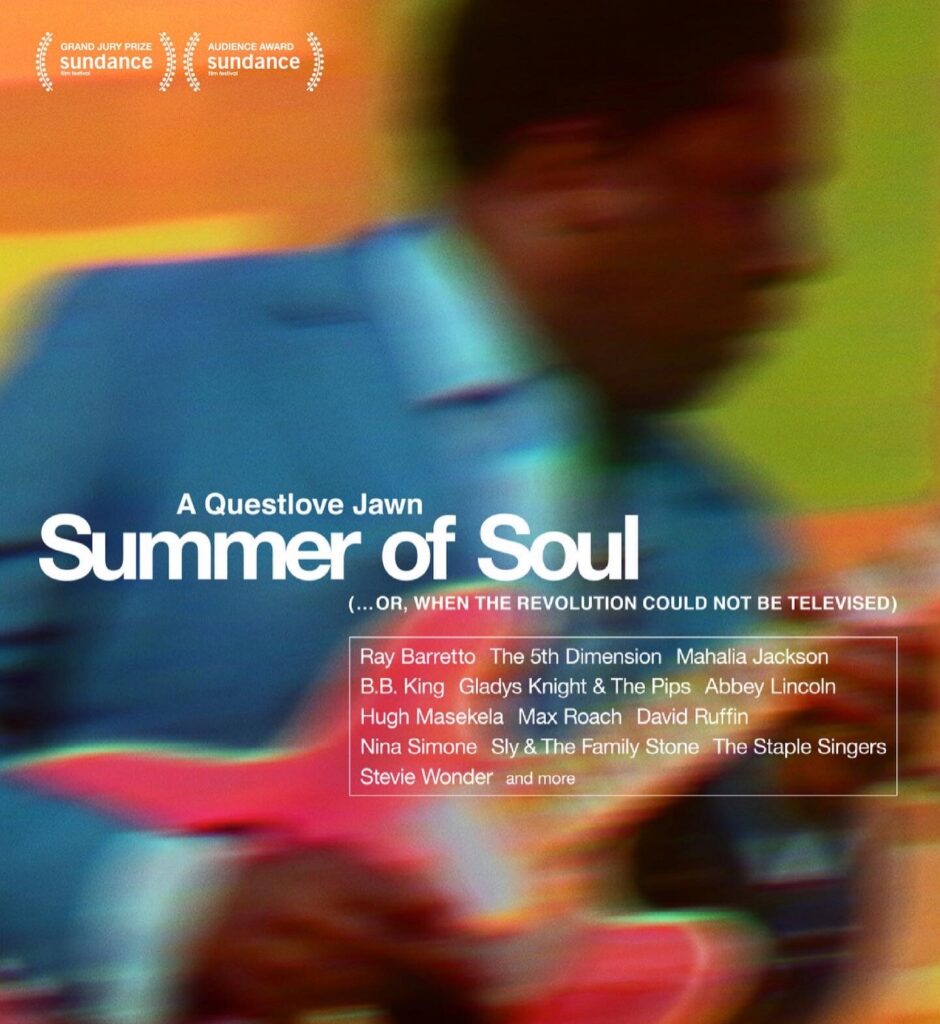
That is the heart of what drew me into my conversation with Joseph Patel, a producer of Summer of Soul (…Or, When the Revolution Could Not Be Televised). Ahead of its Southampton screening, we talked about music, memory and what happens when a community’s story slips out of the history people know.

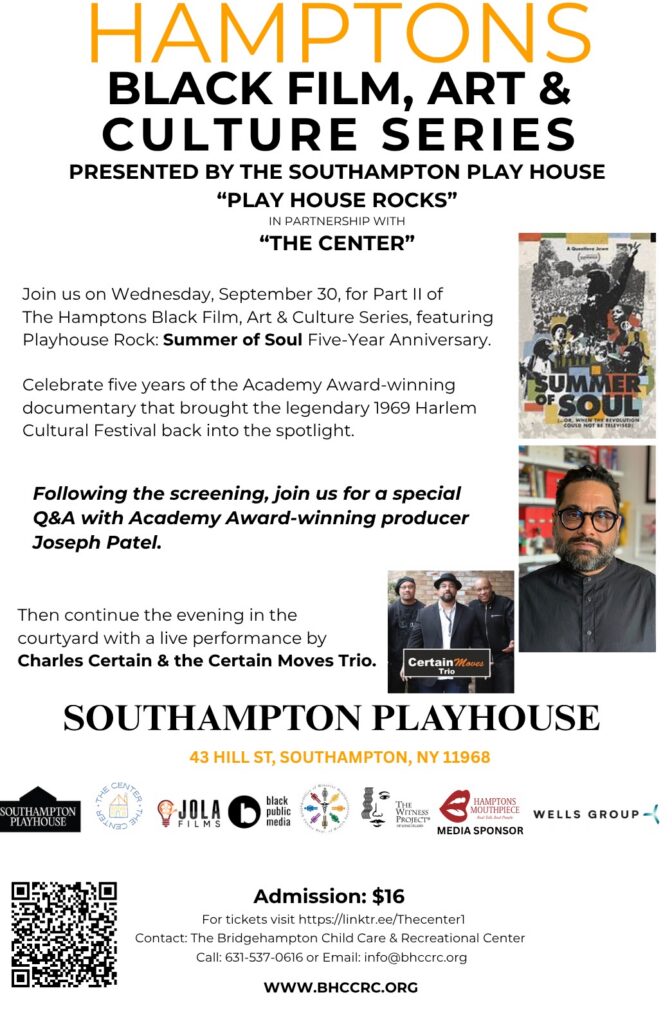
The documentary returns to the big screen on September 30 for Part II of the Hamptons Black Film, Art & Culture Series, in partnership with the Bridgehampton Child Care & Recreational Center and hosted by Southampton Playhouse.
The chance to see these legendary artists perform in the documentary is reason enough to go. My conversation with Patel made the stories behind the music just as compelling. After the screening, enjoy a Q&A with Patel and live music by Charles Certain & the Certain Moves Trio.
What is Summer of Soul about?
Directed by Ahmir “Questlove” Thompson, Summer of Soul tells the story of the 1969 Harlem Cultural Festival, which brought music and crowds to Mount Morris Park, now Marcus Garvey Park, over six Sundays. Released in 2021, the documentary won an Oscar and a Grammy in 2022.
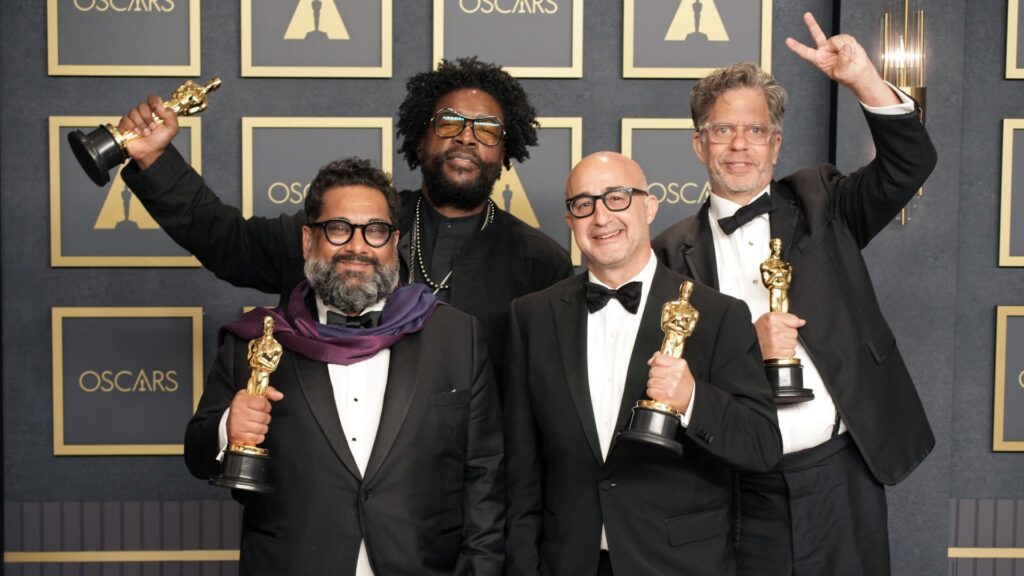
Some footage aired at the time, but much remained obscure for decades, as UC Davis reported. The film brings those performances together with interviews and historical footage to show what that summer meant to the people who lived it.
When I asked Joseph whether making the documentary changed what he notices or preserves in his own life, his answer was clear: “Yeah, undoubtedly.” He explained that the experience changed how he views history, community and culture. Even an event featuring some of music’s biggest names could be pushed out of public memory. For someone who has spent his career telling stories, the film reinforced a personal responsibility.
“I think there’s a duty to remember those stories, to tell those stories, so that history never forgets.”
The story that stayed with me
Patel told me about Musa Jackson, who attended the festival as a young child. Years later, Jackson remembered the 5th Dimension’s outfits, children with balloons, food vendors and people watching from nearby windows. According to Patel, those details matched the team’s footage and photographs.
People had questioned Jackson’s memories over the years. Eventually, he began to wonder himself. When the filmmakers showed him the footage, he cried. Something he had carried inside him for decades was right there on the screen.
That hit home. My mother lived in Harlem in 1969, and she loved a good time. Could she have been in that crowd? She died in 2017, so I cannot ask her now. The possibility reminded me how easily we put off conversations, assuming there will always be another chance.
Finding those memories took work. Patel said the team distributed flyers at Harlem churches, social clubs, record stores and bookstores. Roughly 40 to 50 people responded. Some recalled other years or different events, which meant checking details without making anyone feel small.
“You can’t think you know everything going into finding a story,” Patel said. “You have to still be curious.”
That is real talk, real people to me. You listen, stay curious and give someone room to tell you something you did not know.
Great music has people behind it
Patel also described Marilyn McCoo discussing how some listeners assumed the 5th Dimension was white because of the group’s sound. Performing for a welcoming Black audience in Harlem meant something deeply personal to her. We may know a song by heart without knowing what the person singing it was carrying.
The film also looks beyond the stage. Patel pointed to archival interviews about the 1969 moon landing, contrasting excitement over the achievement with Black New Yorkers questioning the expense while people at home faced hunger and hardship. During our call, I wondered whether asking that same question today would bring some of the same responses. The conversation felt familiar. Who gets celebrated? Whose needs get attention? Who gets to tell the story?
That brought our conversation back to the Hamptons. Through Hamptons Mouthpiece and my Sag Harbor pages, I want people to see the families, cultures and everyday lives that do not always make the familiar picture of this area.
Patel said he did not know the Hamptons well enough to comment on its Black communities. His broader advice, however, felt relevant to anyone trying to preserve a local story.
“If you see that a history is not being covered or a story isn’t being told, you don’t need to ask for permission. You can go tell it yourself.”
We can start with the photographs in a drawer, the neighbor with a lifetime of memories or the family gathering someone thinks is too ordinary to document. Real talk, real people means recognizing that those lives matter while people are still here to share them.
Why make time for Summer of Soul?
You can come for Stevie Wonder and leave thinking about your own family. You can recognize the songs and discover something new about the people who performed them. That combination of music, joy and lived experience is what makes this story worth your time.
My conversation with Patel left me eager to watch the full film. Southampton audiences will have the added opportunity to ask one of its producers about the choices behind it, then enjoy live music together. That is a pretty good reason to give the couch the night off.
See Summer of Soul in Southampton
Make an evening of the music and the conversation:
- When: Wednesday, September 30, 2026, at 7 p.m.
- Where: Southampton Playhouse, 43 Hill Street, Southampton.
- After the film: A Q&A with Joseph Patel, followed by Charles Certain & the Certain Moves Trio in the courtyard.
- Admission: $16, including reception and discussion, according to The Center.
Reserve your seat for Summer of Soul and bring someone who loves music, a good story or both. For a taste of the performances, watch the trailer.
From exploring the roots of funk in Part I, We Want the Funk!, to revisiting Harlem’s unforgettable summer in Part II, Summer of Soul, this series keeps the music and our stories in the conversation. That is what Real Talk, Real People is all about. What family or community memory do you wish someone had captured? Share it in the comments. Your story might inspire someone else to tell theirs.
Hamptons Mouthpiece is a media sponsor of this event.



Comments are closed.